Water Damage Restoration Mount Vernon, WA
24/7 water damage restoration for river floods, wet crawl spaces and burst pipes in Mount Vernon, WA. The extraction crew pulls the water, the drying team dries the structure to the IICRC S500 standard and every step is documented for your insurance claim.
(888) 509-1696Water under the floor? Get the dry-out started- 24/7 emergency dispatch
- IICRC S500 structural drying
- Daily moisture logs
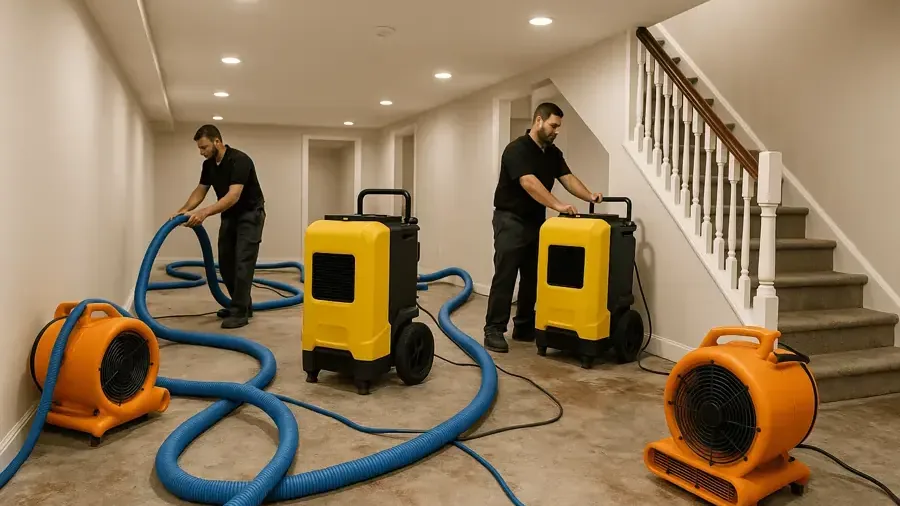
Water Damage Restoration Services in Mount Vernon, WA
Each service covers one kind of water loss, from river water in the living room to a pinhole leak dripping into the crawl space.
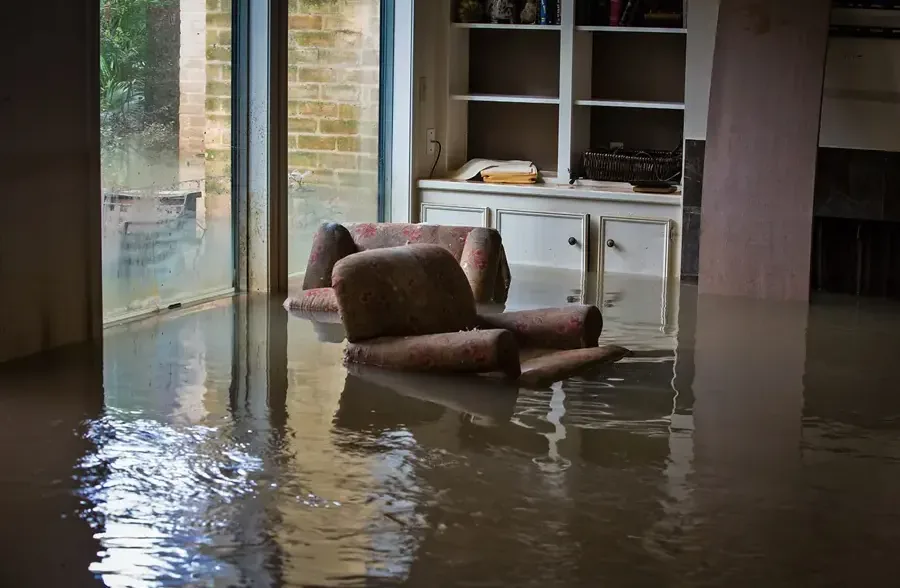 Skagit floodplainFlood Water CleanupRiver and creek water handled as Category 3: pumped out, porous materials removed and the shell dried.See how it is handled
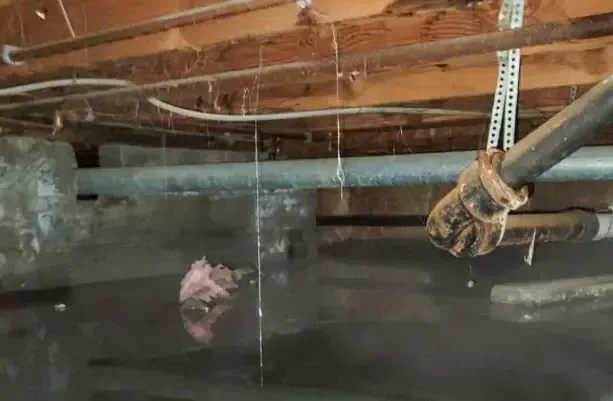 Crawl space homesCrawl Space Water RemovalStanding water under the floor pumped out, soaked insulation and vapor barrier pulled, joists dried.See how it is handled
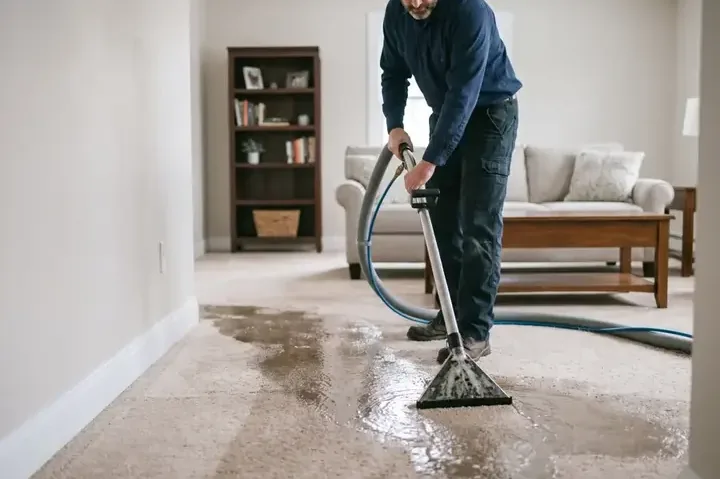 Water Extraction and RemovalTruck-mounted extraction pulls standing water out of carpet, pad and hard floors first.Details
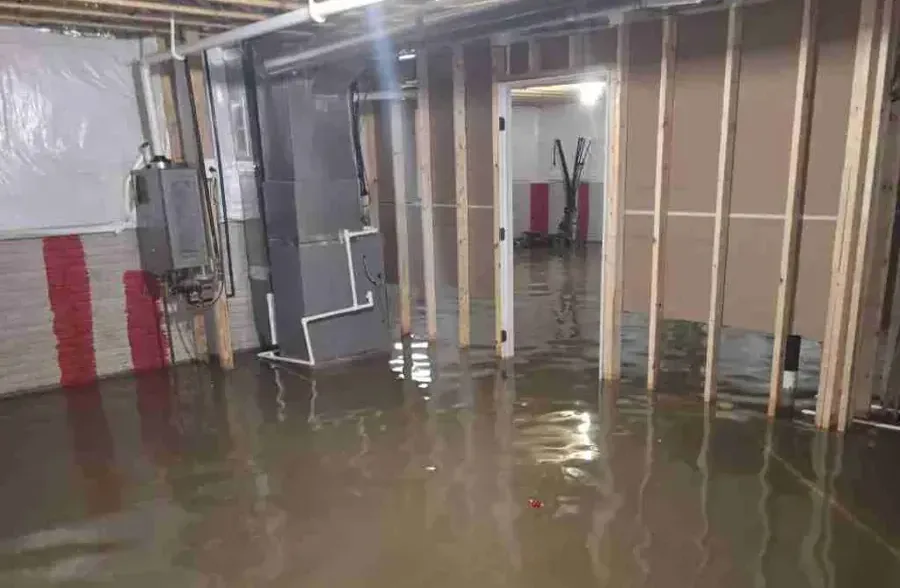 Basement Flooding CleanupSeepage and floor drain water in older basements, extracted and dried wall by wall.Details
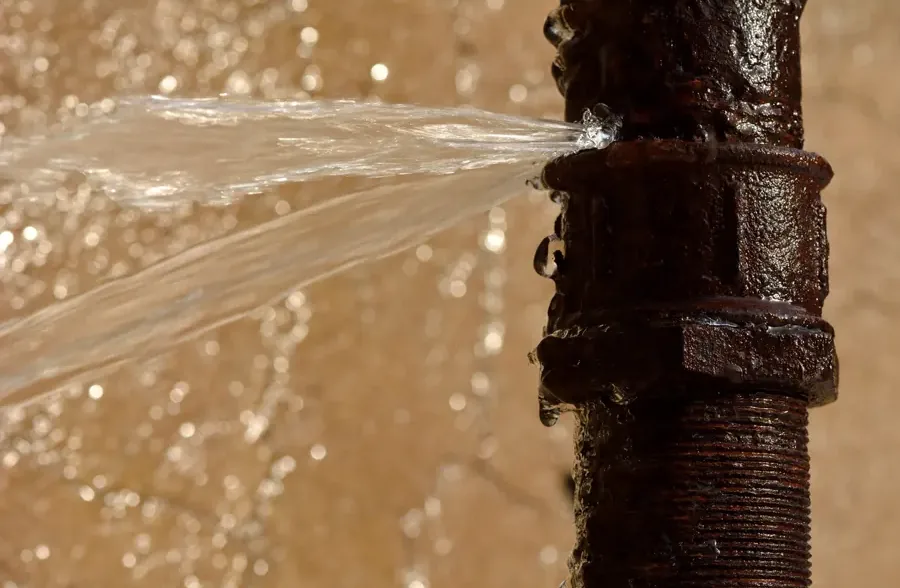 Burst Pipe Water DamageSplit copper or galvanized supply pipe inside a wall or ceiling, dried in the cavity.Details
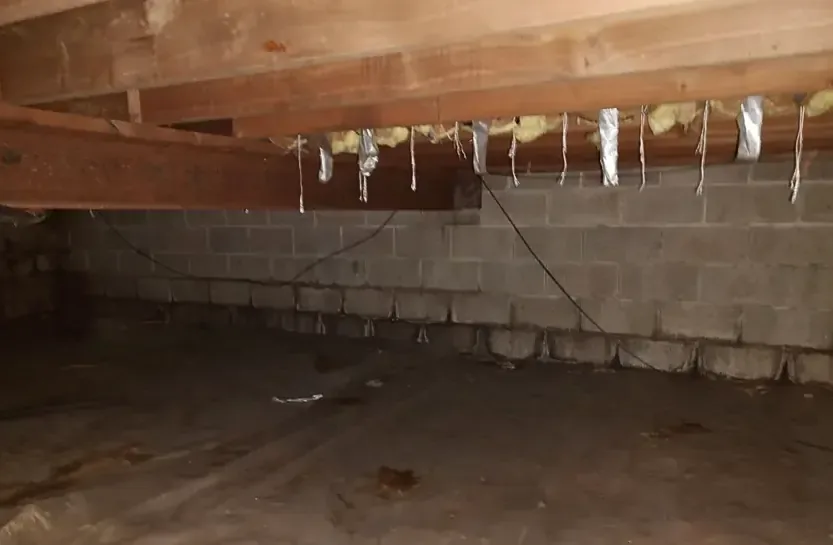 Frozen Pipe Water DamagePipes that split in an arctic cold snap and start leaking on the thaw.Details
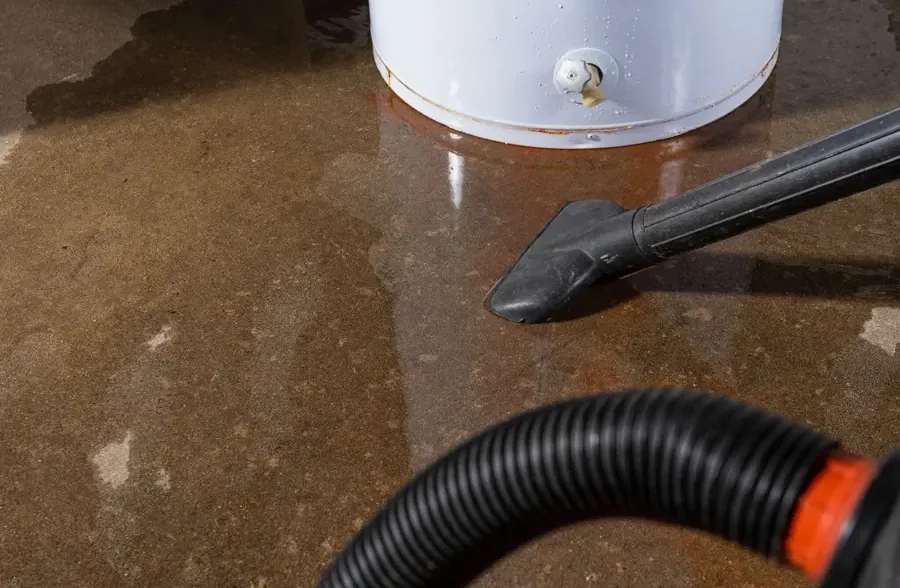 Water Heater Leak CleanupGarage, closet and basement tanks that let go, cleaned up before the subfloor soaks.Details
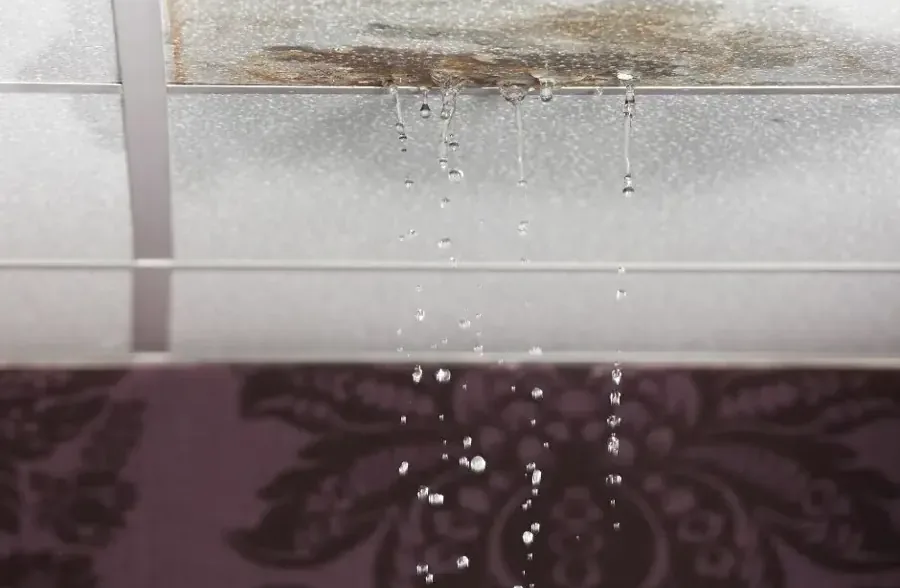 Roof Leak Water DamageWind-driven rain past flashing and worn shingles, wet attic insulation pulled.Details
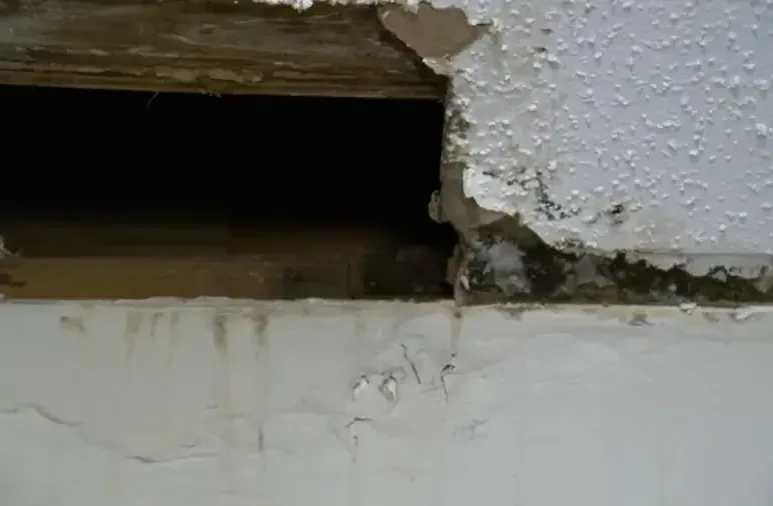 Ceiling Leak Water DamageAn upstairs bath or supply leak traced, the ceiling opened and the joist bays dried.Details
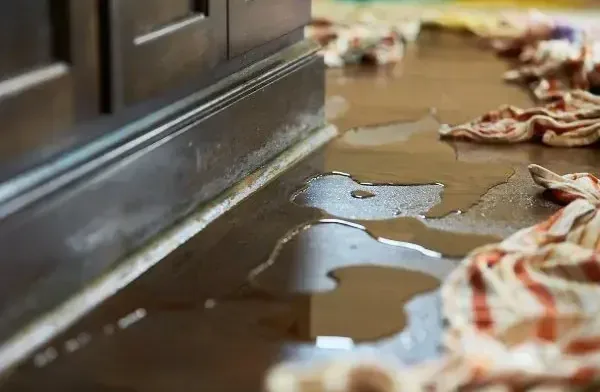 Appliance and Supply Hose LeaksWasher hoses, dishwasher fittings, fridge tubing and toilet supplies that fail.Details
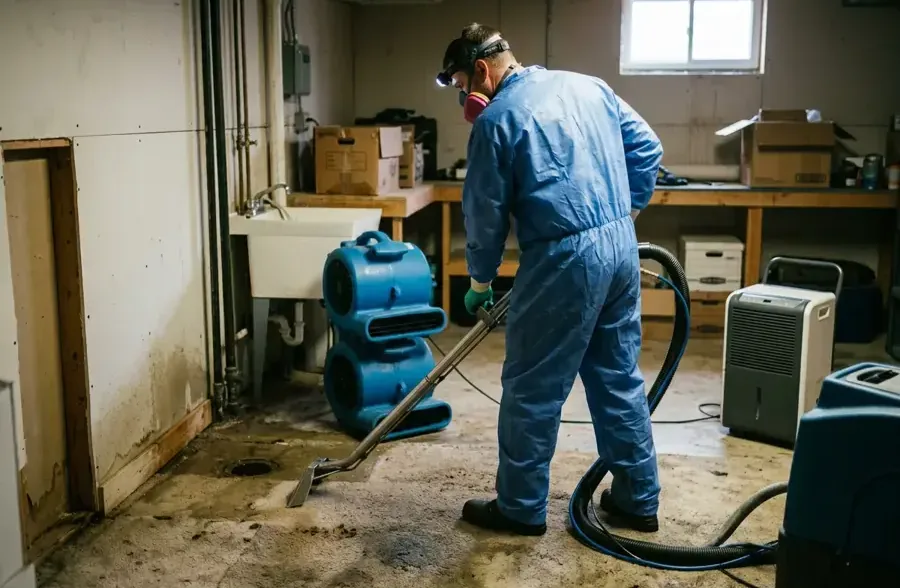 Sewage Backup CleanupToilet and floor drain backups contained and removed by crews in full protective gear.Details
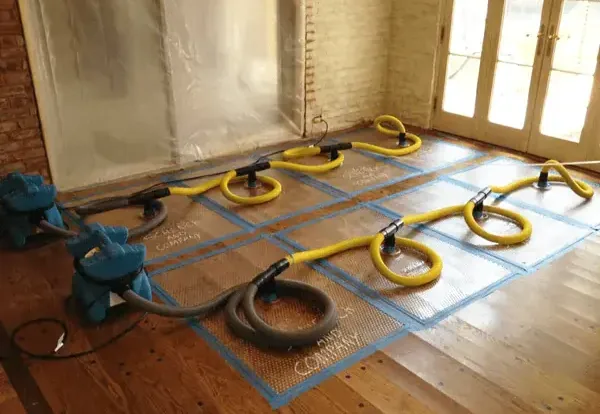 Structural Drying and DehumidificationFraming, subfloor and plaster dried to a verified reading, even in damp winter air.Details
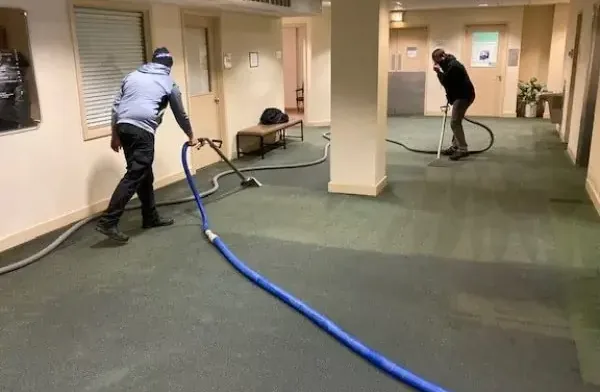 Commercial Water DamageStorefronts, offices, clinics and apartments dried in phases to keep doors open.Details
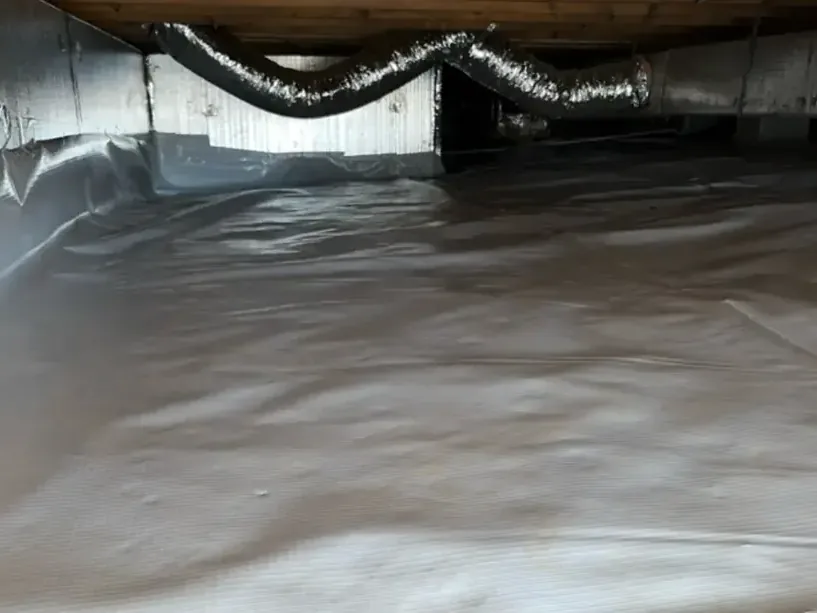
Crawl spaces hold water out of sight
Most homes here sit over a vented crawl space, with supply pipe, ducts and insulation hanging under the floor. Water that gets down there from a leak, a thaw or rising groundwater can sit for weeks before anyone looks.
- A musty smell rising through the floor registers
- Soft spots or cupping boards over the crawl space
- Insulation sagging or hanging loose between the joists
- Standing water on the vapor barrier after heavy rain
Water damage dried to the IICRC S500 standard
IICRC S500 is the industry drying standard, and it ends a dry-out on a measured reading, never on a hunch.
Moisture mapping
The tech who does the walkthrough maps wet materials with pinless meters and thermal imaging, including the crawl space, before any equipment goes down.
Truck-mounted extraction
The extraction crew pulls standing water out so it leaves the house instead of soaking into the subfloor and the next room.
Air movers and LGR dehumidifiers
The drying team sizes equipment to the evaporation load and adds desiccants for dense Class 4 materials like hardwood and plaster.
Dry verification
Equipment comes out once wet materials read within 2 to 4 points of a dry reference material in the same house.
- IICRC S500 drying standard
- Truck-mounted extraction
- Daily psychrometric logs
- Structural drying, not surface drying
What does water damage restoration cost in Mount Vernon, WA?
Most jobs here run $1,100 to $3,800 for a contained clean-water leak and $8,000 to $25,000 or more when river water or sewage gets inside. The drivers are the water category, the square footage, the material class and how fast drying started.
Contained clean-water leak
$1,100 to $3,800- One room or a hallway
- Category 1 supply water
- Extraction plus 3 to 4 days of drying
Crawl space or multi-room loss
$3,800 to $9,000- Water under the floor or in several rooms
- Insulation, vapor barrier or drywall removed
- Daily moisture logs for the claim
River water or sewage (Category 3)
$8,000 to $25,000+- Flood or sewer water inside the house
- Porous materials removed, not dried
- Containment and antimicrobial
These are typical ranges, not a quote. Run the water damage cost calculator for a planning number, then talk the loss through with a pro.
All water damage categories covered in Mount Vernon, WA
Category 1, 2 and 3 water are handled differently, and river or creek water is Category 3 the moment it crosses the threshold.
Category 1, clean water
From a supply pipe, a water heater or an appliance hose. Caught early, carpet, pad and drywall can often be dried in place.
See burst pipe water damageCategory 2, gray water
From a washer, a dishwasher or a toilet overflow without waste. Pad and porous materials get cleaned or pulled, depending on how long they sat.
See appliance and supply hose leaksCategory 3, black water
Sewage backups and river or creek water. Porous materials it touched get removed, not dried, under containment.
See sewage backup cleanupWhat a water damage dry-out looks like in Mount Vernon
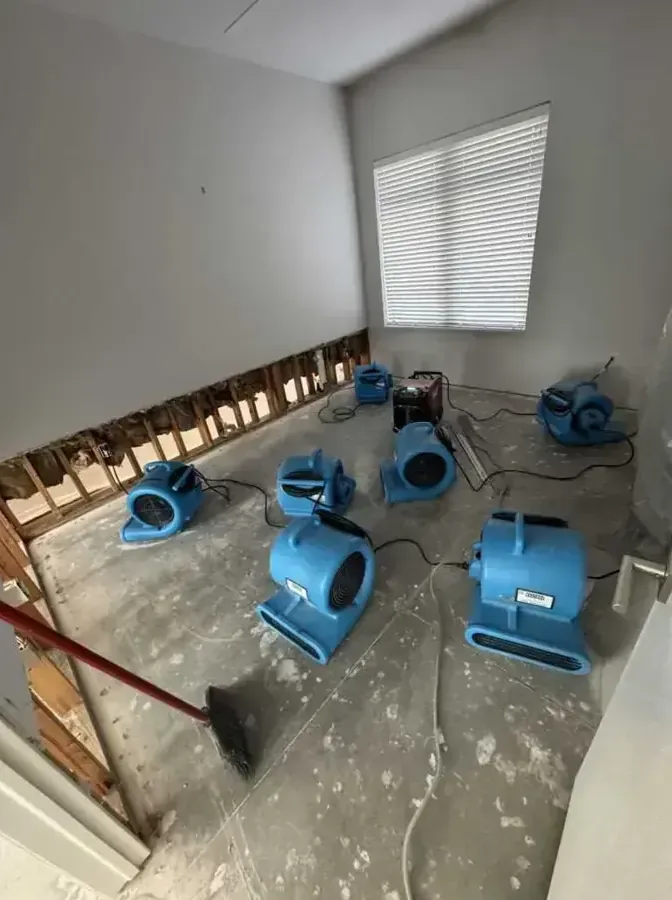
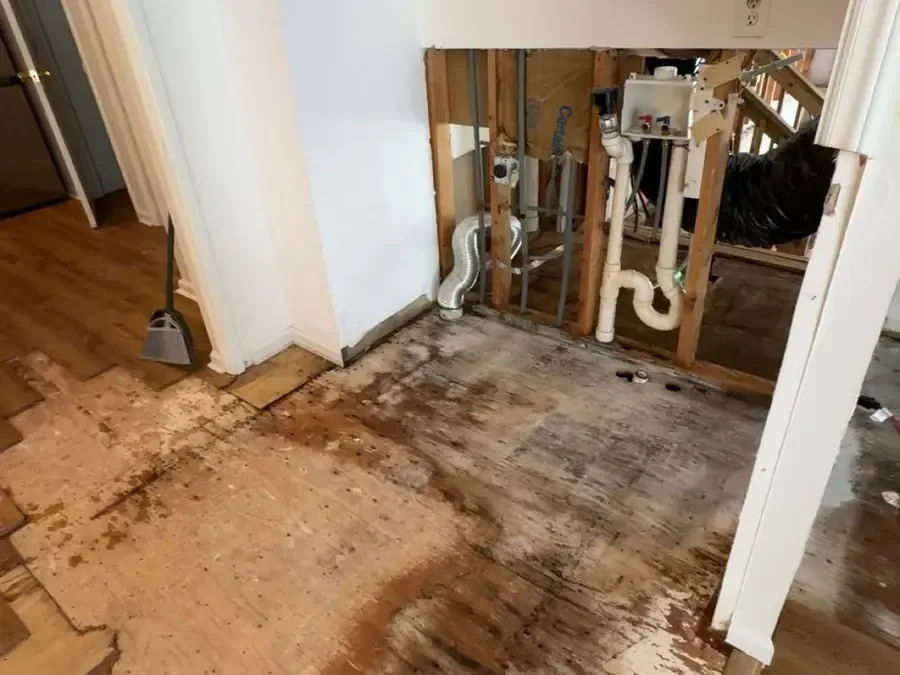
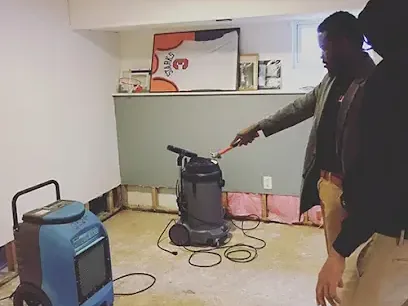
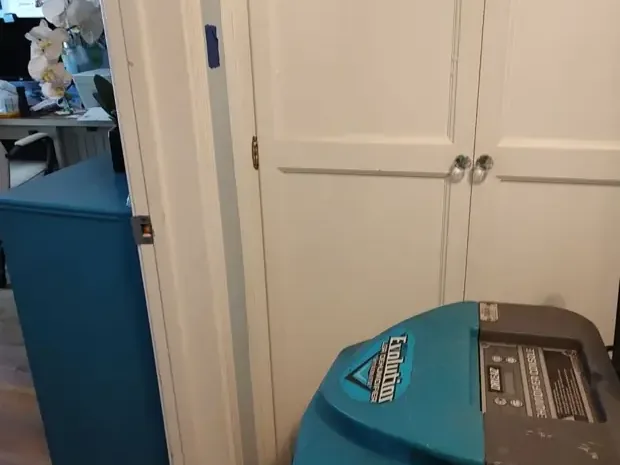
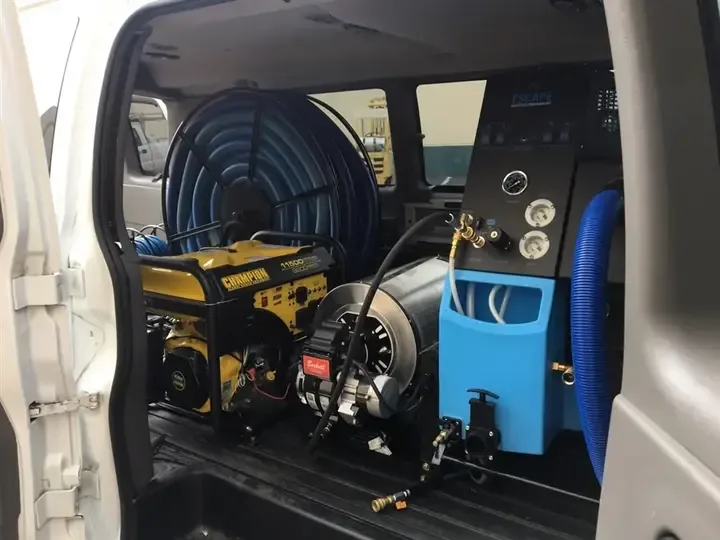
Representative photos of extraction, flood cuts and drying equipment at work.

Documentation for your insurance claim
A water claim is decided on the file. The mitigation team builds it while the drying runs, and it usually carries:
- Timestamped photos taken before any demolition
- A moisture map from the first walkthrough, crawl space included
- Daily moisture readings and psychrometric drying logs
- The category and class of the loss
- A line-item scope in the format adjusters expect
A sudden pipe burst is usually handled differently from river or surface flooding, which falls under a separate flood policy. Coverage depends on your policy, so check with your own insurer.
Why Skagit Valley homeowners call a restoration pro first
Rapid local response
Dispatch runs 24/7, and an active leak, flood or backup is treated as urgent on nights, weekends and holidays.
IICRC S500 drying standard
The drying team works to a measured goal and leaves equipment running until the readings say dry, not until the floor feels dry.
Claim-ready documentation
Photos, the moisture map and daily logs go into one file, so the adjuster sees the category, the class and the work.
River and crawl space know-how
Floodplain lowlands, crawl-space framing, damp winters and arctic cold snaps all change how water moves through a house here.
What to do while the water is still moving
- Shut off the main valve, often in the crawl space or at the meter box by the street.
- Turn off breakers for wet rooms if the panel is dry and safe to reach.
- Stay out of standing water near outlets, and out of river water entirely.
- Photograph the damage, then lift rugs and furniture off wet floors.
- Call. Drying that starts inside 24 to 48 hours saves more of the house.
Neighborhoods and ZIP codes covered in Mount Vernon, WA
Drying crews work every street in 98273 and 98274 and the towns around them, 24/7.
ZIP codes covered
98273 and 98274 cover the city itself. The others reach Burlington, Sedro-Woolley, Conway and La Conner.
Downtown and the river
- Downtown
- West Mount Vernon
- Riverside Drive
- Edgewater Park
North hill and the creeks
- Hillcrest
- Kulshan Creek
- Maddox Creek
- College Way
East hills and the south end
- Little Mountain
- Eaglemont
- Skagit Highlands
- Big Lake
Nearby towns
- Burlington
- Sedro-Woolley
- Anacortes
- Stanwood
- Oak Harbor
- La Conner
- Conway
- Bay View
One call reaches Mount Vernon water damage pros, 24/7
The restoration team asks where the water came from and whether it reached the crawl space, because that decides the gear on the first visit.
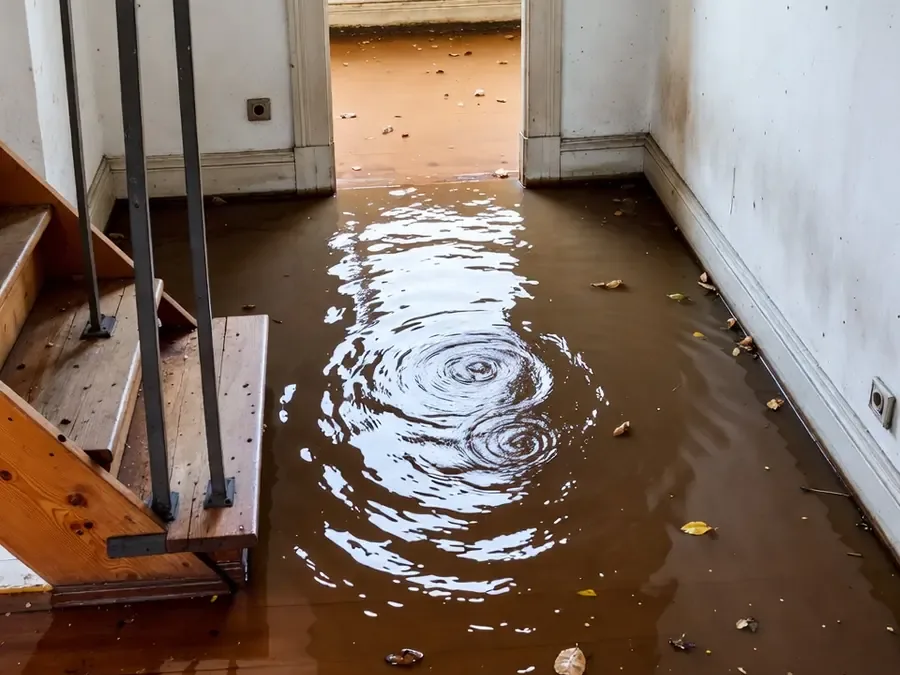
Water damage in Mount Vernon, WA: the local risk profile
The Skagit River runs through the middle of town, and the soil, the housing and the weather all lean toward water.
- A record river: the Skagit crested at 37.73 feet at 12:15 a.m. on December 12, 2025, past the 37.4 foot mark set in 1990. The downtown floodwall, finished in 2018, held.
- Floodplain lowlands west of I-5 and along the Kulshan Creek corridor, where heavy rain fills yards and groundwater rises into crawl spaces.
- Crawl-space framing under most homes, with supply pipe, ducts and insulation exposed to damp air and standing water.
- Older homes near Downtown and on Hillcrest with partial basements, older galvanized or copper supply pipe and aging sewer laterals.
- Arctic air that pours down the Fraser River valley on a northeast wind, bringing the hard freezes that split crawl-space pipes.
Water damage questions from Skagit Valley homeowners
How quickly can a restoration crew start on water damage in Mount Vernon?
Dispatch runs 24/7, and an active leak, flood or sewage backup is treated as urgent. Mitigation usually starts on the first visit: stop the source, map the moisture and pull standing water, inside the 24 to 48 hour window before swelling and mold set in.
Is flood damage covered by homeowners insurance in Washington?
Sudden and accidental water, such as a burst supply pipe or a failed water heater, is often covered after the deductible. River and surface flooding usually needs a separate flood policy, and slow long-term leaks are often excluded. Coverage depends on your policy, so check with your own insurer.
What causes most water damage in Skagit Valley homes?
Leaks and groundwater in crawl spaces, pipes split by arctic cold snaps, water heaters, appliance hoses, roof leaks in long wet winters and, in the lowlands, river and creek flooding.
How do I know if my crawl space has water in it?
A musty smell through the floor registers, soft or cupping floors, condensation on ducts and a bill that jumps with nothing running are the usual clues. A flashlight look through the access hatch often shows water pooled on the vapor barrier.
How long does it take to dry a wet house?
A contained Class 1 or Class 2 loss, one or two rooms of drywall and carpet, usually dries in three to five days. Hardwood, plaster and wet crawl space framing take longer, and equipment comes out when readings reach the drying goal, not on a set date.
What is the IICRC S500 standard?
IICRC S500 is the industry standard for water damage restoration. It sets how water is classified by category and class, how drying equipment is sized and how dryness is verified against a dry reference material.
What should I do first while the water is still spreading?
Shut off the water at the main valve, turn off breakers for wet rooms if the panel is dry and safe to reach, and stay out of standing water near outlets. Photograph the damage before moving anything, lift rugs off wet floors and then call so extraction can start.
Does wet drywall always have to come out?
Not always. Drywall wet with clean water and caught early can often be dried in place. Drywall that swelled, lost strength or touched river water or sewage is cut out above the high-water mark.
Why is river floodwater treated differently from a pipe leak?
River and creek water carries silt, bacteria, fuel and farm runoff, so it is Category 3 once inside. Carpet, pad, insulation and the lower drywall it touched get removed under containment with HEPA air scrubbers and an EPA-registered antimicrobial.
Can a house really dry out in a wet Northwest winter?
Yes. Cold, damp outdoor air slows drying, so the drying team keeps the house closed up, runs LGR dehumidifiers, adds heat where it helps and tracks the progress with daily readings until the goal is reached.
Water in a Skagit Valley home? Start the dry-out now.
Water that reaches the subfloor and the crawl space is the hardest part of a house to dry. The drying team extracts first, sets equipment to the load and keeps it running until the meters agree.