Water Damage Restoration in Anacortes
Storm surge, a split pipe, a failed supply hose or a backed-up drain can soak an Anacortes home fast. Dispatch sends trained technicians to pump out water, open wet materials and dry the structure until readings say it is done.
(888) 509-1696Call dispatch about the water loss- Around-the-clock dispatch
- Tide, pipe and storm losses
- Daily psychrometric readings
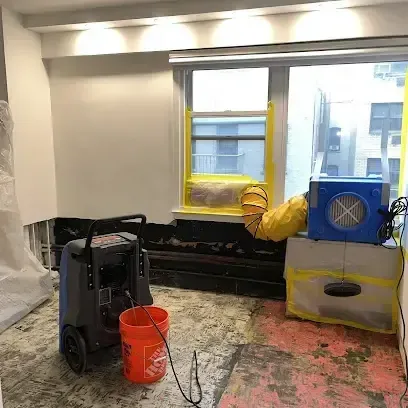
Water loss services for homes and businesses
Each service below covers one kind of loss, from a failed supply hose to tide water reaching a low-lying property, with its own page for details.
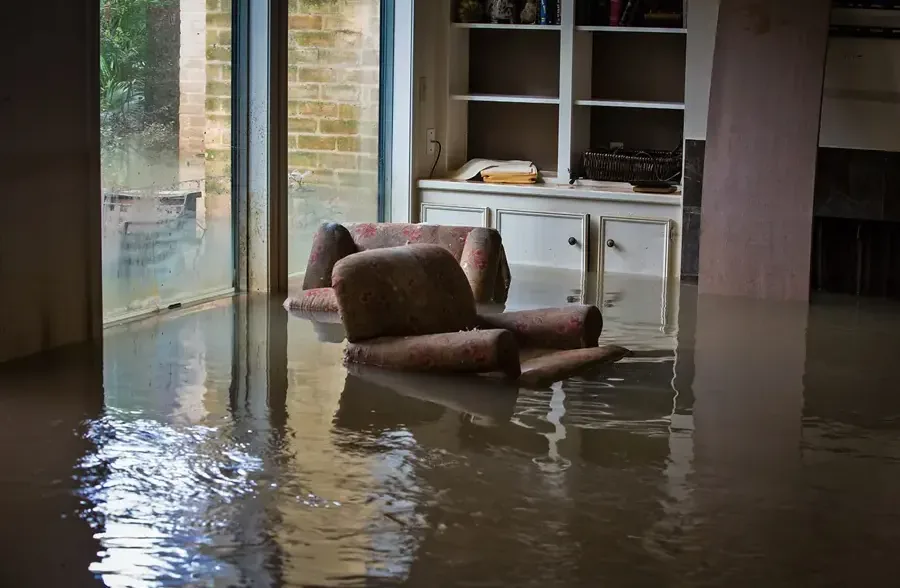 Storm surge and king tidesFlood Water CleanupPump-out, flood cuts and disinfection after storm surge or a pipe failure floods the living space.See how it is handled
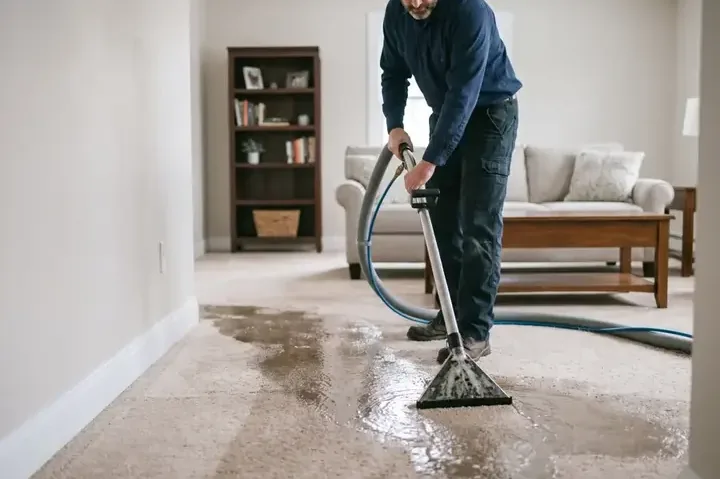 Standing water firstWater Extraction and RemovalTruck-mounted and portable pumps lift standing water from carpet, pad and hard floors.See how it is handled
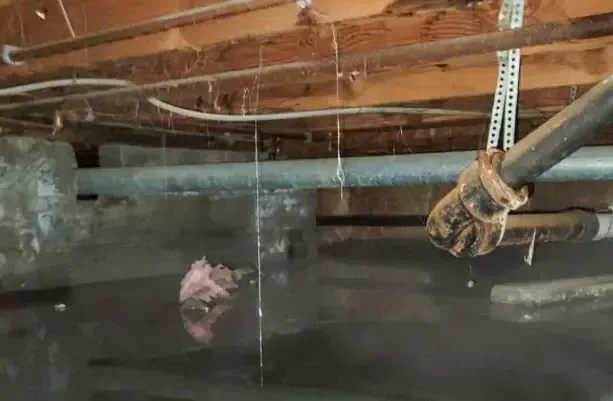 Crawl Space Water RemovalStanding water, wet insulation and a damp subfloor dried out from underneath the house.Details
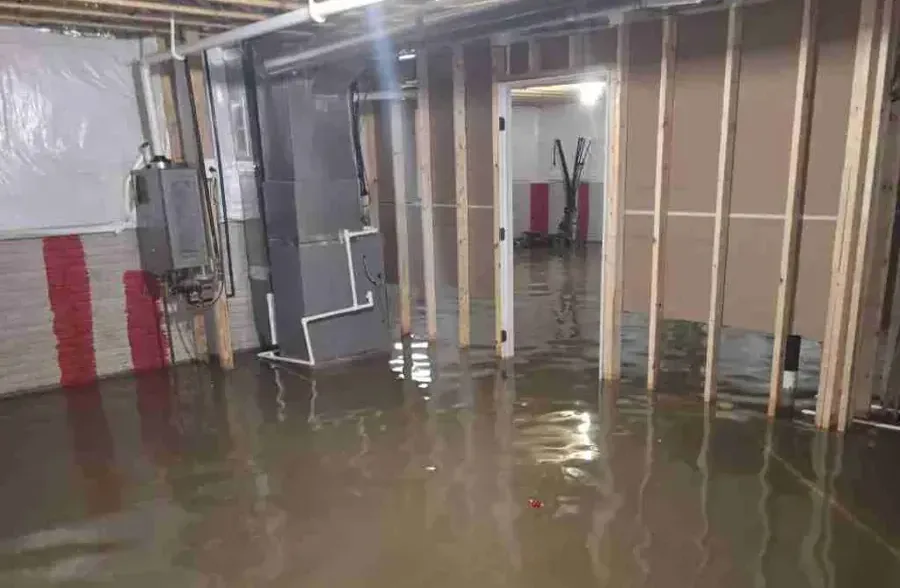 Basement Flooding CleanupSeepage and drain backups pumped out, with wet drywall and carpet pad removed below grade.Details
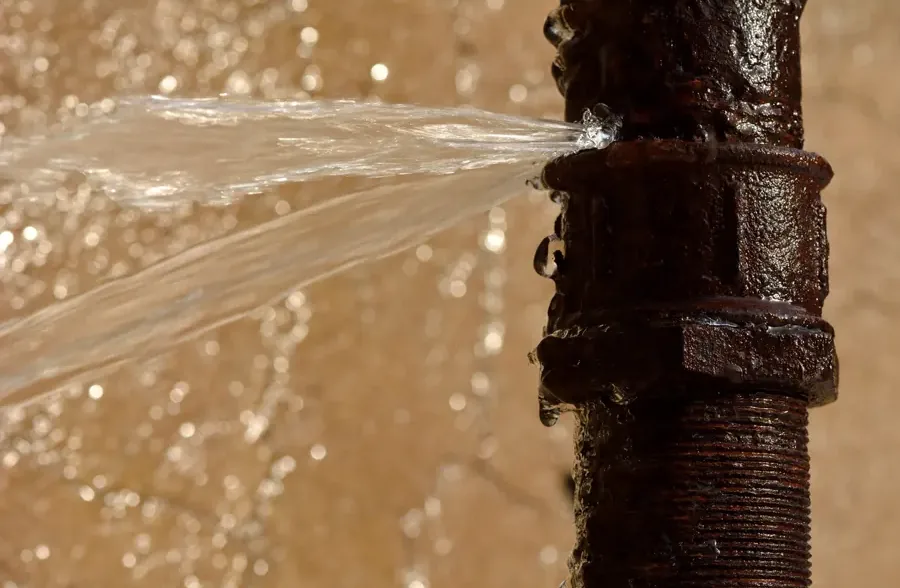 Burst Pipe Water DamageA split supply pipe opened up, the wet cavity dried and the leak documented for the claim.Details
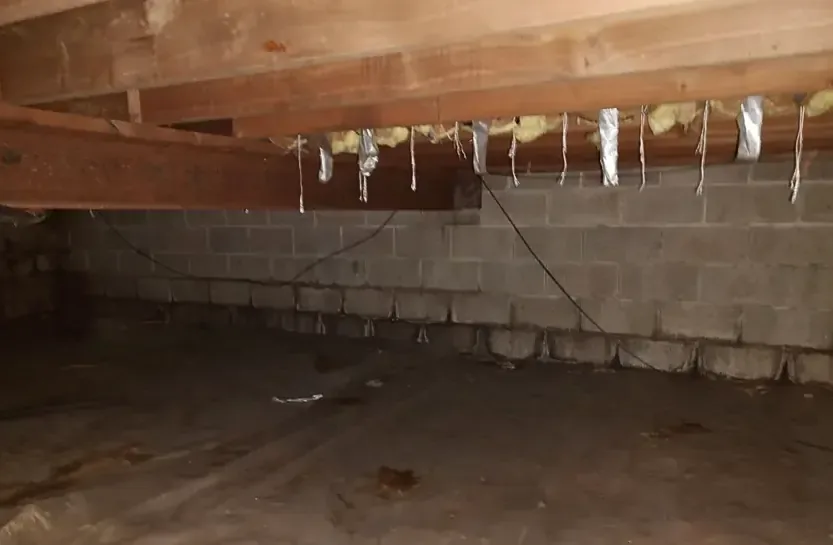 Frozen Pipe Water DamageCold-snap splits in crawl space and exterior wall pipes, with the wet framing dried down.Details
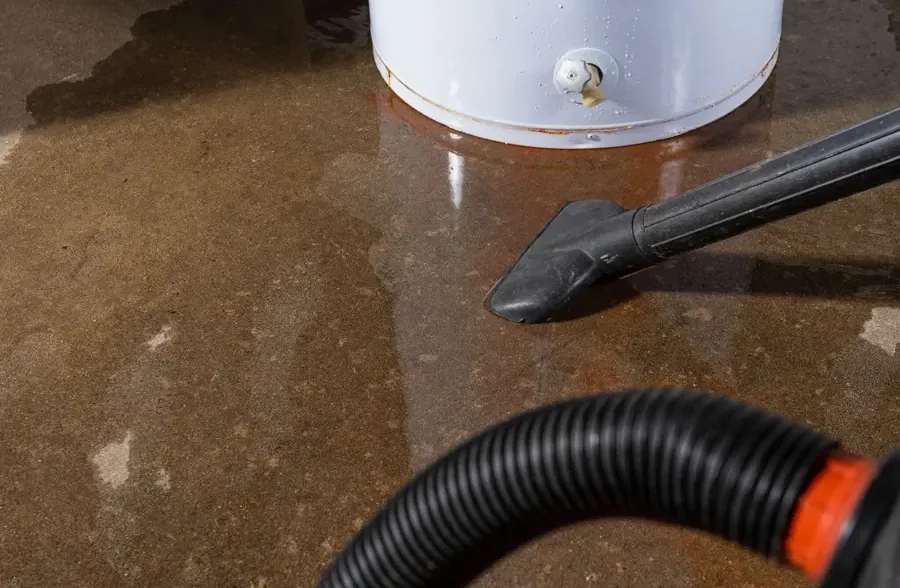 Water Heater Leak CleanupA leaking tank drained, the wet closet or garage floor extracted and dried.Details
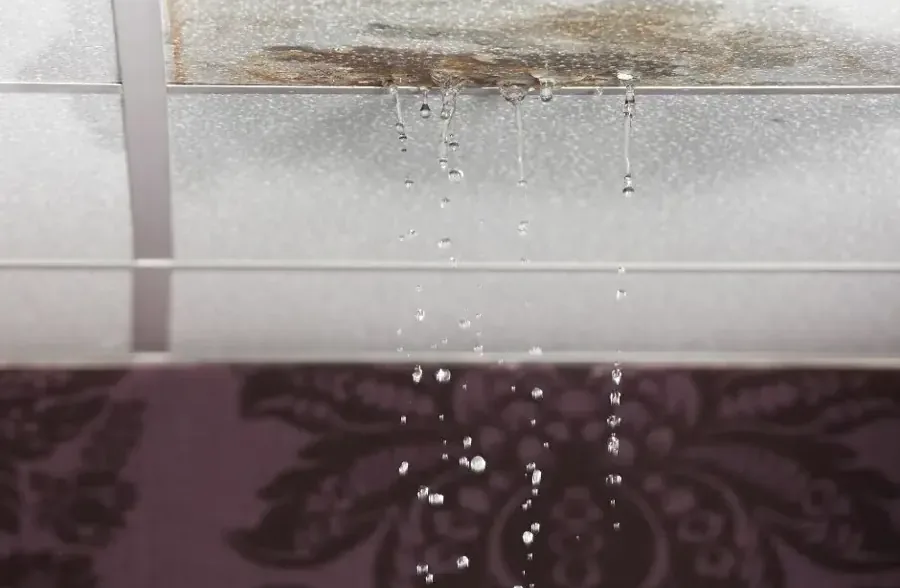 Roof Leak Water DamageWind-driven rain through shingles or flashing, with soaked insulation and ceilings dried in place.Details
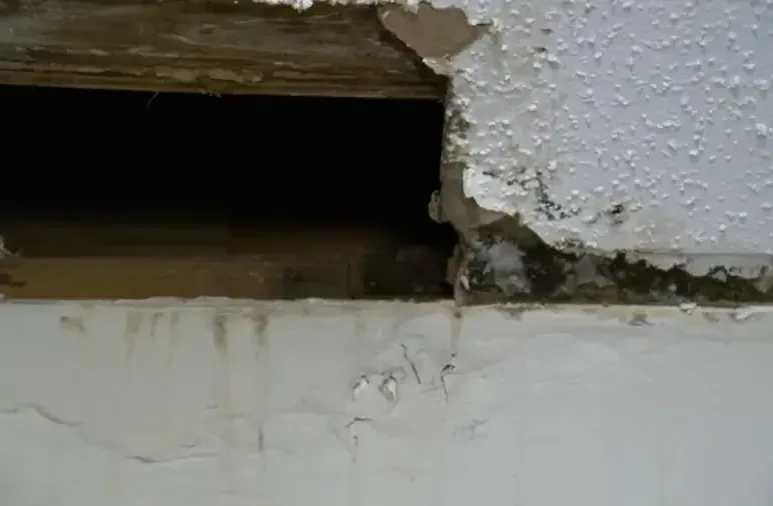 Ceiling Leak Water DamageStains and sagging drywall traced to the source, opened and dried before they spread.Details
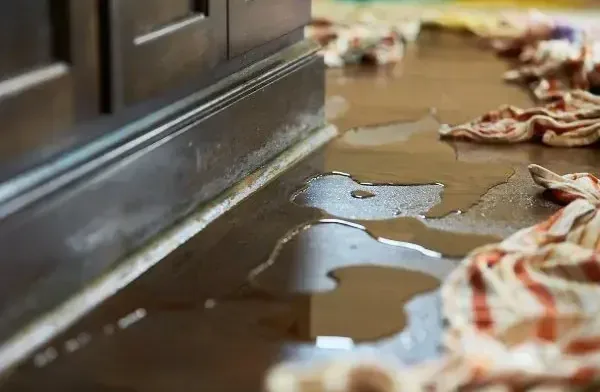 Appliance and Supply Hose LeaksWasher, dishwasher, icemaker and supply hose leaks dried from the floor and cabinets.Details
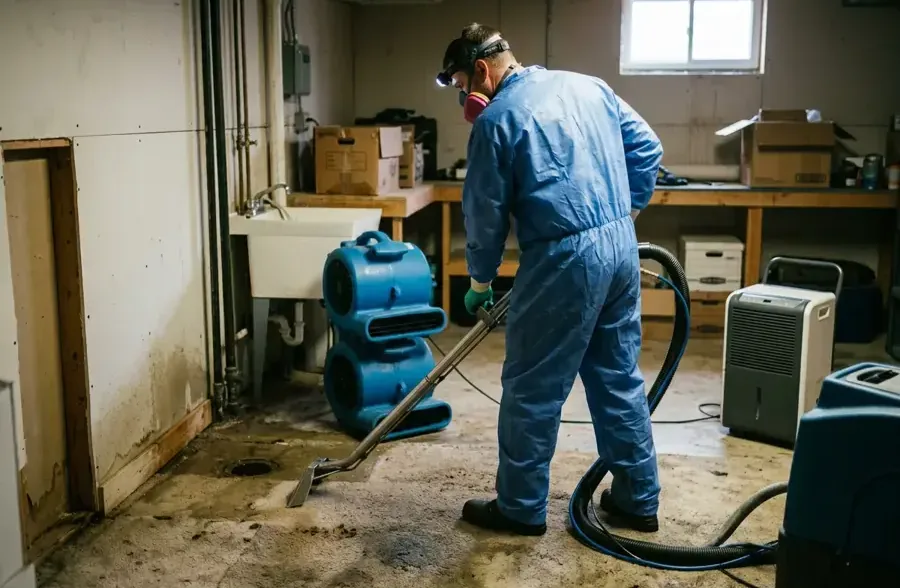 Sewage Backup CleanupCategory 3 backups contained, cleared of porous materials and treated before drying starts.Details
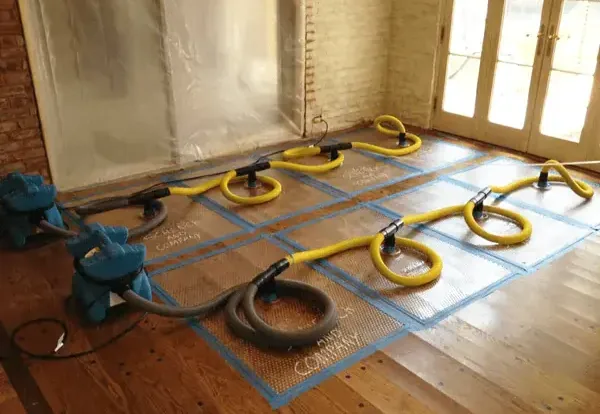 Structural Drying and DehumidificationAir movers and dehumidifiers run on a logged schedule until framing and drywall read dry.Details
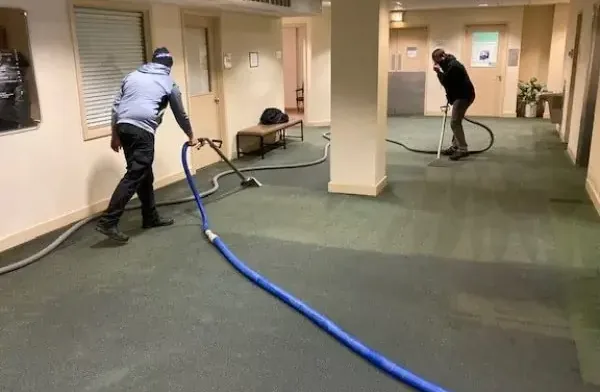 Commercial Water DamageShops, marinas and offices dried in phases so the business can reopen sooner.Details
Where flood water comes from here
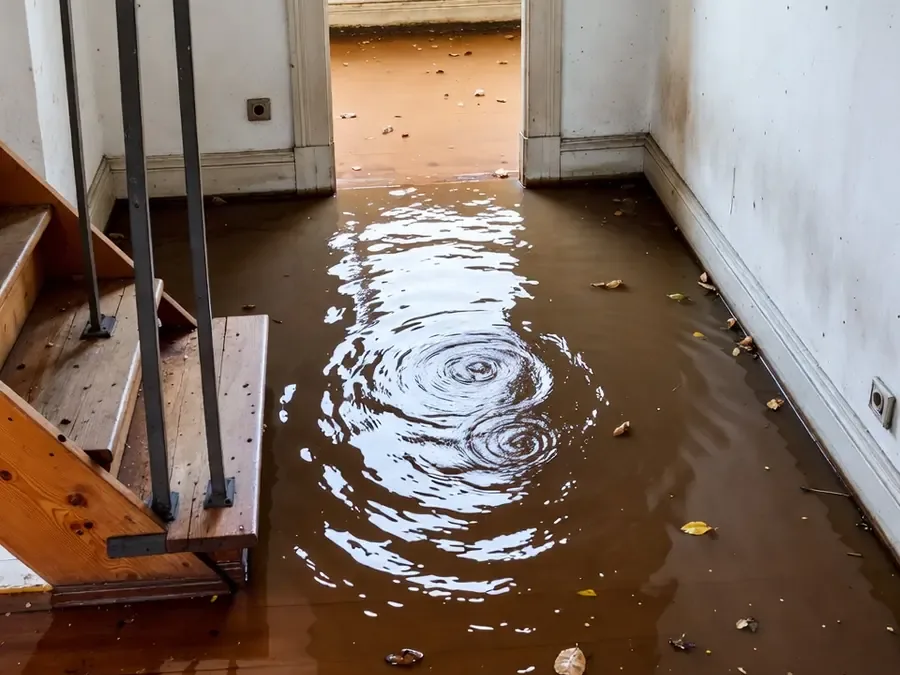
Inside the city limits the flood source is not the river but the sea: storm surge riding on a king tide can put minor water into the lowest-lying areas, mostly in fall and winter.
- Water that rose from the ground, not fell from above
- Muddy or discolored floodwater in a low-lying garage
- Wet carpet and pad after a high tide and storm
- A musty smell that lingers after the water drains
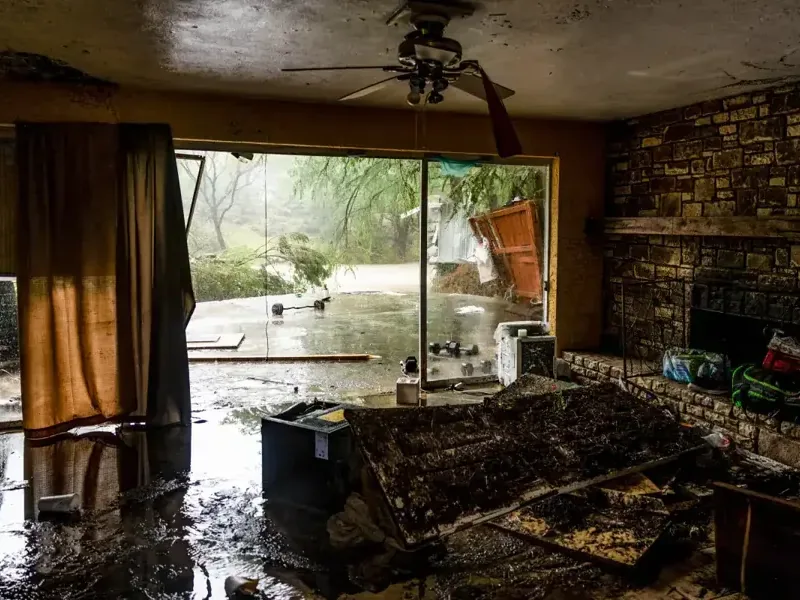
Water out first, then drying to a measured finish
Every job follows the same order, and daily moisture readings, not a calendar, decide when the equipment leaves.
Assess and contain
A moisture map and a water category call come first, then affected areas are sectioned off so wet air stays put.
Extraction first
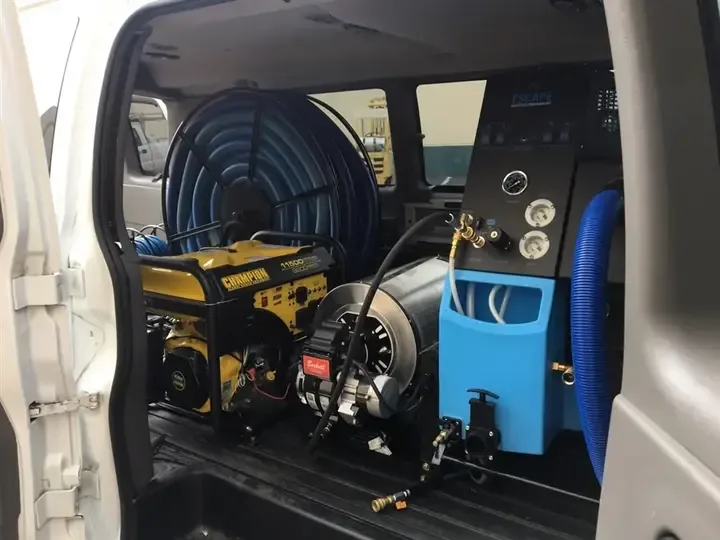
Truck-mounted and portable pumps pull standing water before anything else, because every inch left behind slows the dry-out.
Open and remove
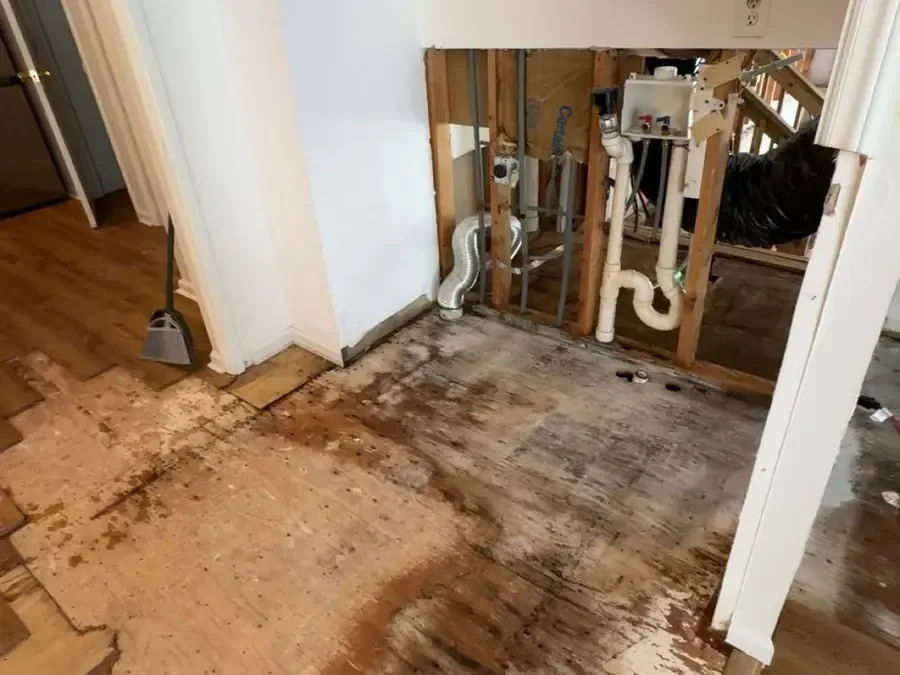
Soaked pad, insulation and drywall that cannot dry in place are cut out, bagged and listed so the claim file matches the work.
Dry and verify
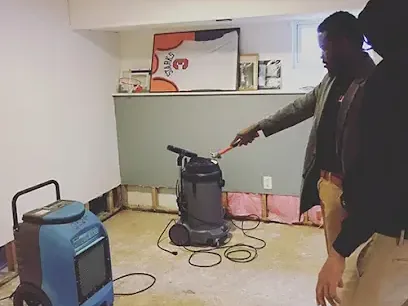
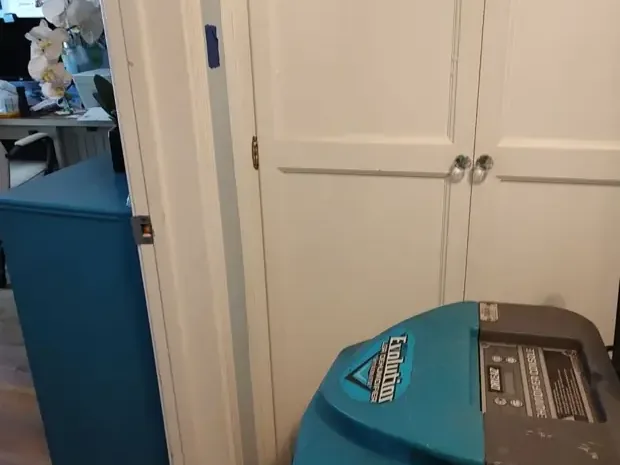
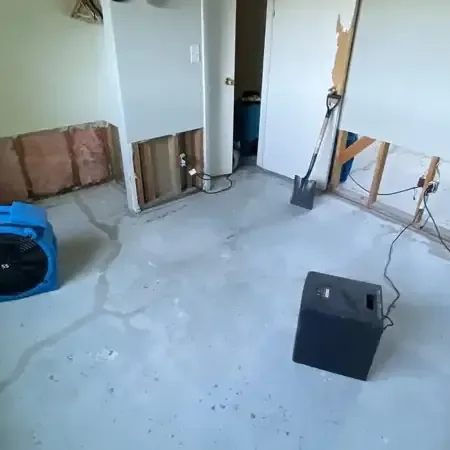
Air movers and dehumidifiers run while daily readings track each material, and the equipment stays until every reading reaches the dry standard.
- Moisture map first
- Truck-mounted extraction
- Daily moisture logs
- Dry standard verified
What water damage cleanup tends to cost
Costs follow how far the water traveled and what it soaked. A contained leak often lands in the $1,500 to $3,000 range, wall and ceiling damage in the $3,000 to $6,000 range, and a flooded floor or two at $9,000 to $18,000.
A contained leak caught early
$1,500 to $3,000- Standing water extracted from floors
- Baseboards and trim pulled where wet
- Daily moisture readings for the claim
A wall or ceiling opened up
$3,000 to $6,000- Wet insulation and drywall cut out
- Nearby rooms scanned with meters
- Joist bays and studs dried open
Several rooms or a lower level
$9,000 to $18,000- Category 3 precautions if sewage is involved
- Furniture moved, packed and listed
- A long equipment run with logs
Ranges are typical for the region, and a firm figure comes only after a technician reads the moisture, checks the water category and lists what must come out.
Three kinds of water, three different cleanups
The source decides the category, and the category decides what can be dried in place and what has to be removed and discarded.
Category 1: clean supply
Water from a split supply pipe starts clean, and it stays clean only while wet materials are pulled and dried promptly.
Burst pipe water damage detailsCategory 2: used water
A washer or dishwasher overflow carries detergent and soil, so porous materials it soaked usually cannot be kept.
Appliance leak water damageCategory 3: sewage
Sewage and flood water can carry bacteria and debris, and the city warns that flood water may be contaminated with sewage and chemicals.
Sewage backup cleanup detailsWhat drying equipment and removal work look like
Photos show typical equipment and work, not specific local jobs.
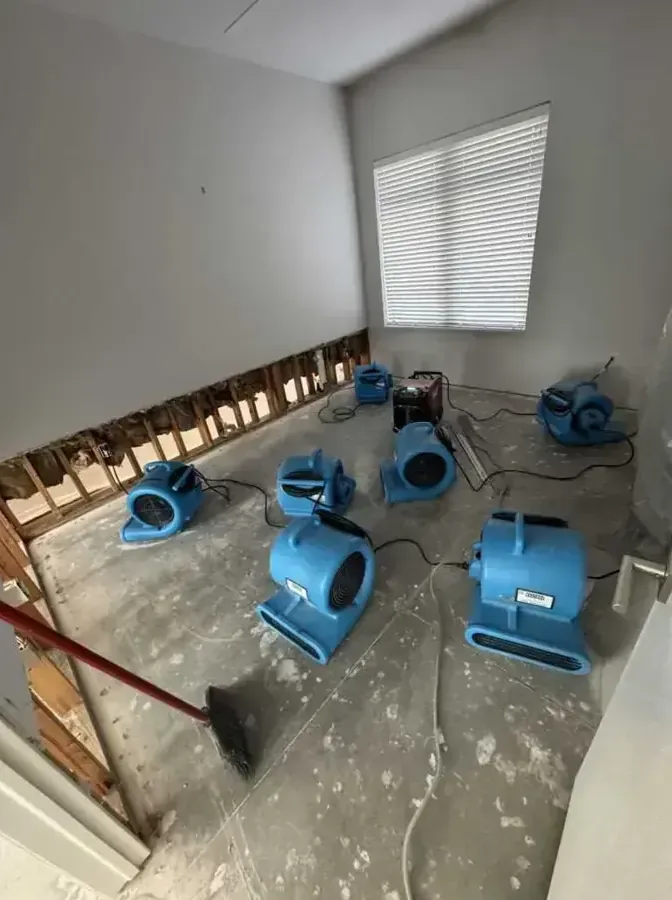
Documentation that supports the claim
Adjusters look for proof of the source, the water category and the damage, so records are built while the work is underway.
- Dated photos of each wet area before work begins
- The water source and its category, noted
- Moisture readings for each day of drying
- A list of materials removed and why
- Equipment placed, adjusted and taken out
The city says flood insurance is strongly recommended for low-lying properties, and a standard homeowner policy can treat a sudden pipe leak differently from rising water, so the wording is worth checking early.
Four things that shape every job
Dispatch at any hour
Water losses do not keep office hours, so dispatch answers day and night and matches the equipment and crew size to the loss at hand.
Ready for tide and storm water
Fall and winter bring storms and high tides, so crews carry pumps for standing water and a plan for contaminated water.
Claim-ready documentation
Photos, moisture logs and material lists are kept as the work proceeds, so the adjuster sees what was wet, what was removed and why.
Water and sewage only
The work stays on water, sewage and drying, so equipment and attention are not split across fire, smoke or rebuilding jobs.
What to do while waiting for dispatch
- Stop the source if it is safe, such as the supply valve or the heater inlet.
- Switch off power to wet rooms at the panel, and stay out of standing water near outlets.
- Photograph the damage and source before moving anything, then lift rugs and small furniture off wet floors.
- Keep children and pets out of any water that may involve sewage.
- Report the loss to the insurer and dispatch, and keep wet materials until they are photographed.
Neighborhoods served across Anacortes
Dispatch covers homes and businesses across the city, from downtown to Skyline and the Fidalgo Bay waterfront.
ZIP code covered
ZIP code 98221 is the main service area, and calls from nearby towns are taken case by case.
Downtown and the waterfront
- Commercial Avenue
- Cap Sante Marina
- Washington State Ferries terminal
- Fidalgo Bay waterfront
Cap Sante and Skyline
- Cap Sante Park
- Fidalgo Head
- Skyline
Clearidge and the parks
- Clearidge
- Washington Park
- Mount Erie area
- Lake Erie area
Reach dispatch for a water loss on Fidalgo
Dispatch is staffed around the clock for Fidalgo Island homes and businesses, and callers describe the water, source and affected rooms so the right equipment is sent.
Where water damage tends to start here
The city says river flooding is no physical risk inside its limits, so losses tend to start with tides, wet weather, plumbing and drains.
- Low-lying ground: flood events that damage structures happen every few years to decades, the city says, and sea-level rise will make rare events more routine.
- Wet weather: the Olympic Mountain rain shadow keeps Fidalgo Island to about 21 inches of rain a year, half of Seattle's total, yet winter storms still push water into roofs and walls.
- Freezing weather: hundreds of homes had frozen pipes in the 1950 blizzard, and snow in 2008 and 2020 shows cold snaps still reach the city.
- City sewer: the city has a combined sewer system with wet-weather overflows, and homeowners answer for the side sewer, including the connection to the main.
- Household plumbing: supply hoses, water heaters and pipes fail in every season, and a hidden leak can soak a wall or subfloor for days.
Water damage questions from local homeowners
Does the Skagit River flood homes in the city?
The city says Skagit River flooding poses no physical risk inside its limits, though towns along the river do face it. Local flooding here comes from storm surge combined with king tides in the lowest-lying areas.
What kinds of water damage does dispatch handle?
Dispatch handles clean-water leaks, storm and tide water, frozen pipes, roof and ceiling leaks, sewage backups and commercial losses. Fire, smoke and general rebuilding fall outside the work. Each type gets its own drying plan because the water category and materials change what can be saved.
Who is responsible when a sewer backs up into a home?
According to the city, homeowners are responsible for the side sewer, including its connection to the main. A resident can ask the Streets and Utilities department to inspect and clean the adjacent city main, which shows where the blockage sits. Cleanup afterward falls under sewage backup cleanup.
How does freezing weather damage pipes here?
A hard freeze can split a pipe in a crawl space or exterior wall, and the water shows up when the pipe thaws. Snowfall in 2008 and 2020 is a reminder, and the 1950 blizzard froze pipes in hundreds of homes.
What happens to a wet house after the water is pumped out?
Extraction removes the standing water, but the framing, subfloor and drywall still hold moisture. Air movers and dehumidifiers run until daily readings show every material at its dry standard, which can take several days. The structural drying service explains the readings.
Is flood water from a king tide safe to clean up at home?
The city warns that flood water may carry sewage, chemicals and debris, so it is treated as contaminated. Porous materials such as carpet pad and drywall that it touched usually have to be removed rather than dried.
Does homeowner insurance cover water damage?
That depends on the policy wording and the cause of the loss, so the insurer is the one to ask. Documentation from the drying work, including photos and daily readings, gives the adjuster what the file needs.
Can a slow leak behind a wall wait?
A slow leak keeps drywall, insulation and framing wet, and the longer materials stay wet the more likely they are to need replacing rather than drying. Early moisture readings show how far the water has traveled.
Do commercial properties get the same service?
Shops, marina businesses and offices are handled with a phased plan that keeps unaffected areas open where possible. See commercial water damage for the full plan.
What happens when water reaches a crawl space?
Crawl space water is pumped out, wet insulation and the vapor barrier are checked or removed, and the subfloor is dried from below. Not every house has one, so the first visit confirms what is under the floor.
Call dispatch when water is where it should not be
Dispatch for Anacortes takes calls around the clock, matches equipment to the loss and keeps photos, readings and material lists for the insurance file from the first visit to the final reading.