Water Damage Restoration in Oak Harbor
A windstorm, a failed water heater or a backed-up drain can leave an Oak Harbor home soaked before anyone notices. Crews pump out standing water, cut away what cannot dry, and run equipment with daily readings until the structure meets its dry standard.
(888) 509-1696Call about water in your Whidbey Island home- Around-the-clock dispatch
- Storm and plumbing water losses
- Daily psychrometric readings
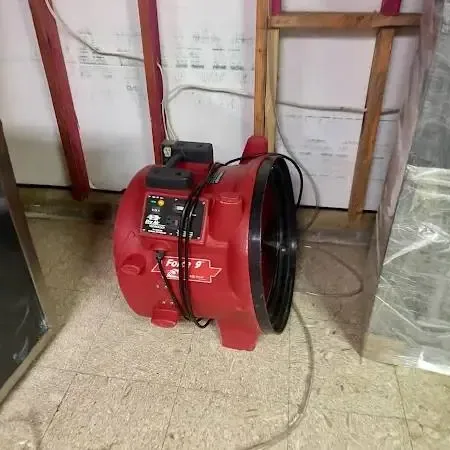
From storm water to sewage backups
Each type of loss follows the same order: stop the water, remove what is wet, dry the structure and document everything for the insurer.
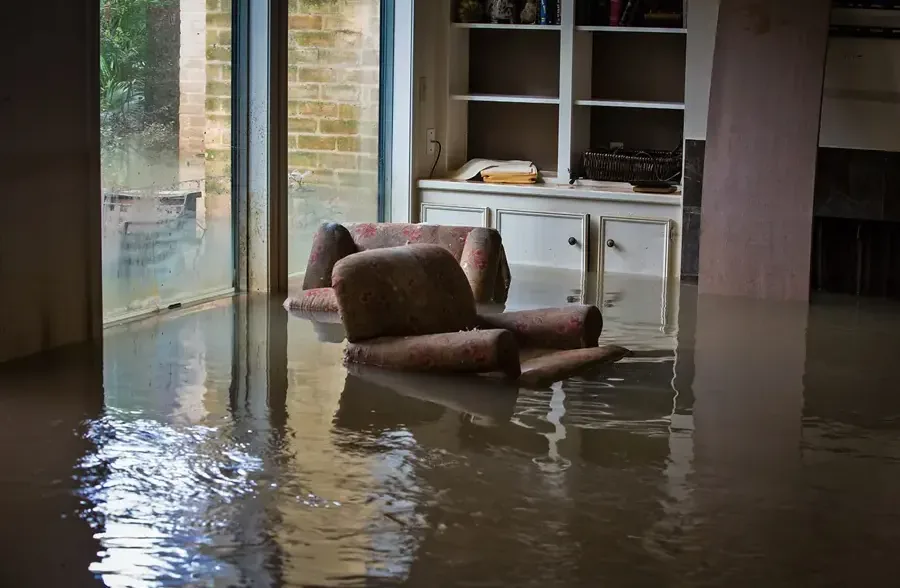 Storm and rain water indoorsFlood Water CleanupStorm rain and surface water that reaches floors, pumped out and dried with porous materials removed.See how it is handled
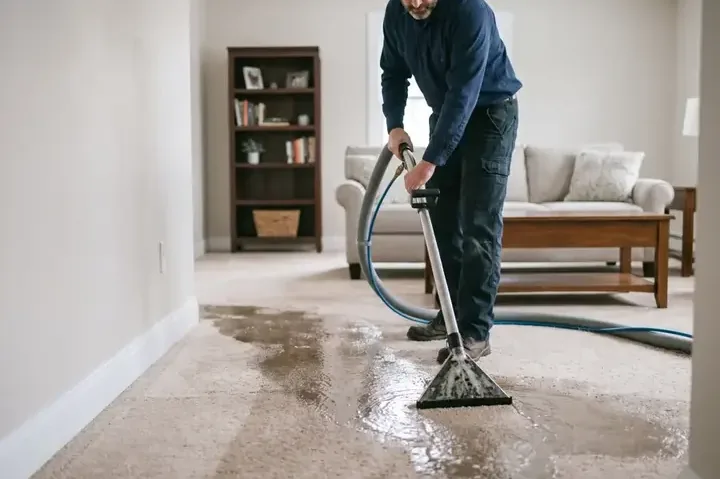 Pump-out comes firstWater Extraction and RemovalTruck-mounted and portable extraction that pulls standing water out of carpet, pad and hard floors.See how it is handled
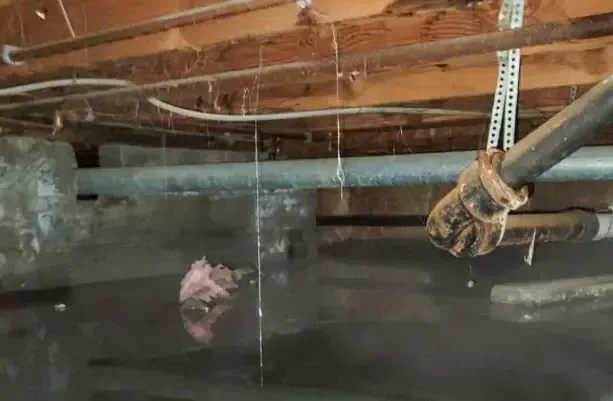 Crawl Space Water RemovalStanding water, soaked insulation and damp framing under the floor, pumped out and dried in place.Details
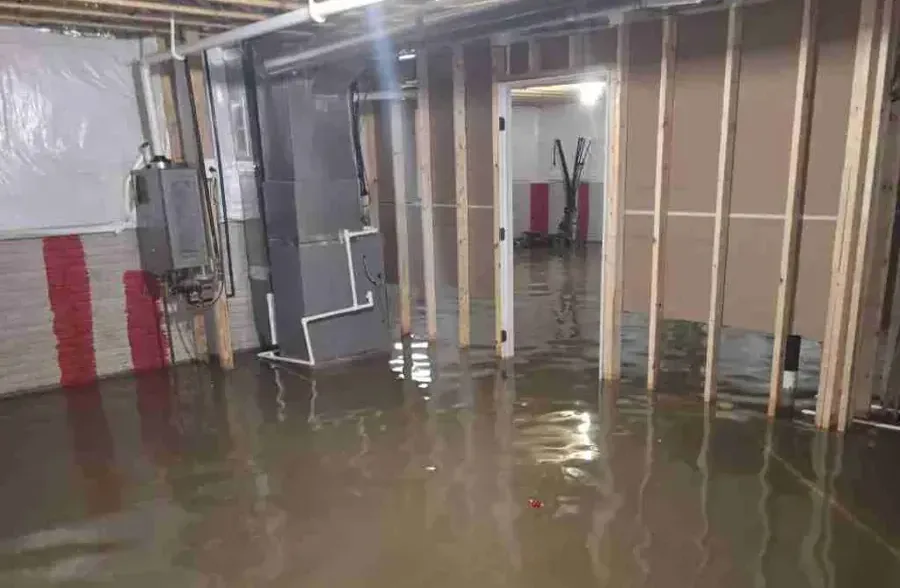 Basement Flooding CleanupWater on a basement floor or in finished walls, extracted, cut out where needed and dried.Details
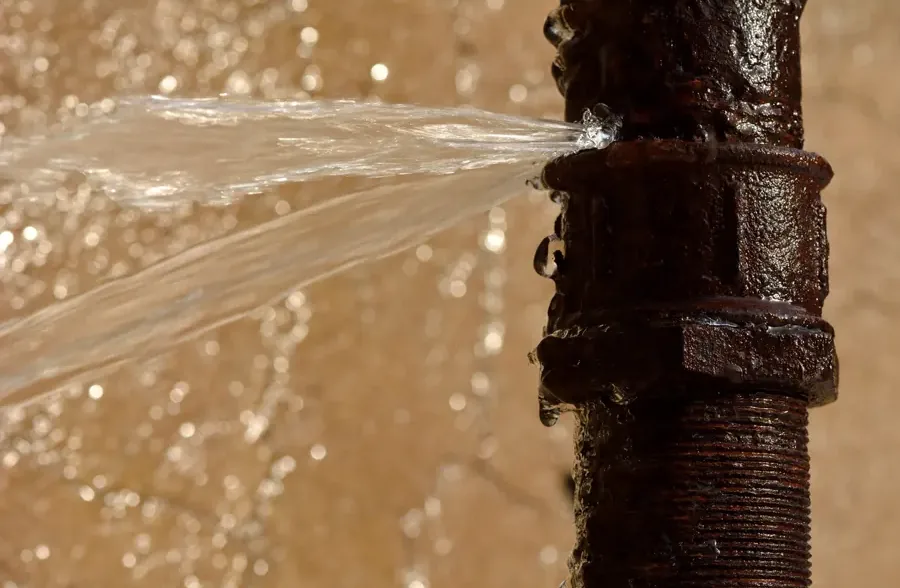 Burst Pipe Water DamageWater from a split supply pipe, extracted, with wet cavities opened and dried.Details
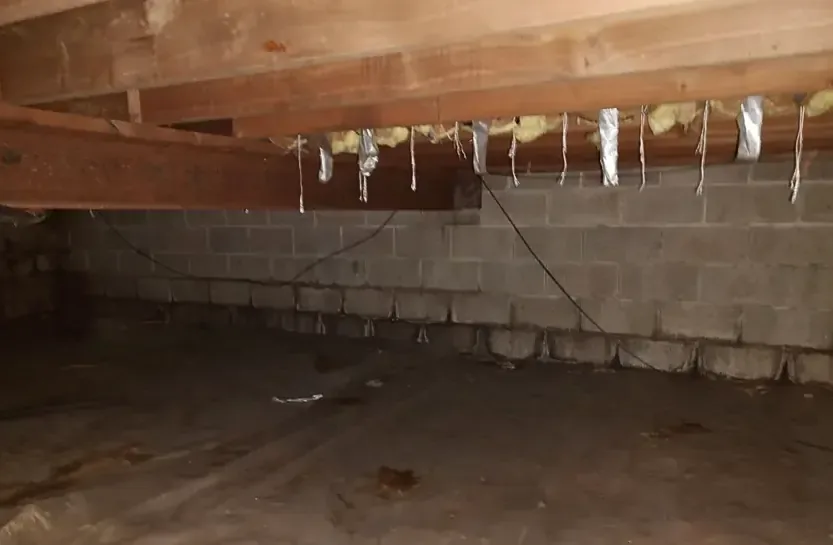 Frozen Pipe Water DamageCold-snap splits in exposed pipes: water removed, wet insulation pulled, framing dried.Details
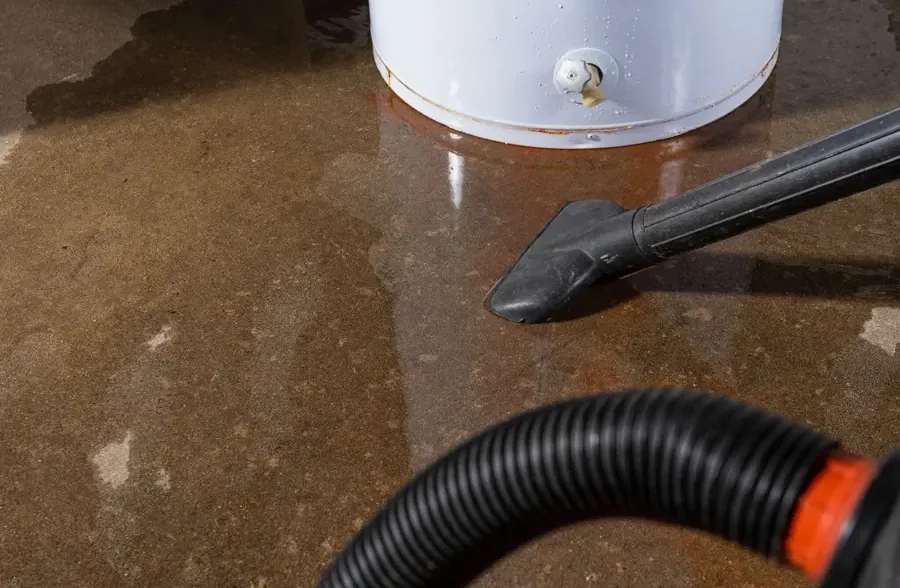 Water Heater Leak CleanupA leaking or failed tank in a garage, closet or utility room, extracted and dried.Details
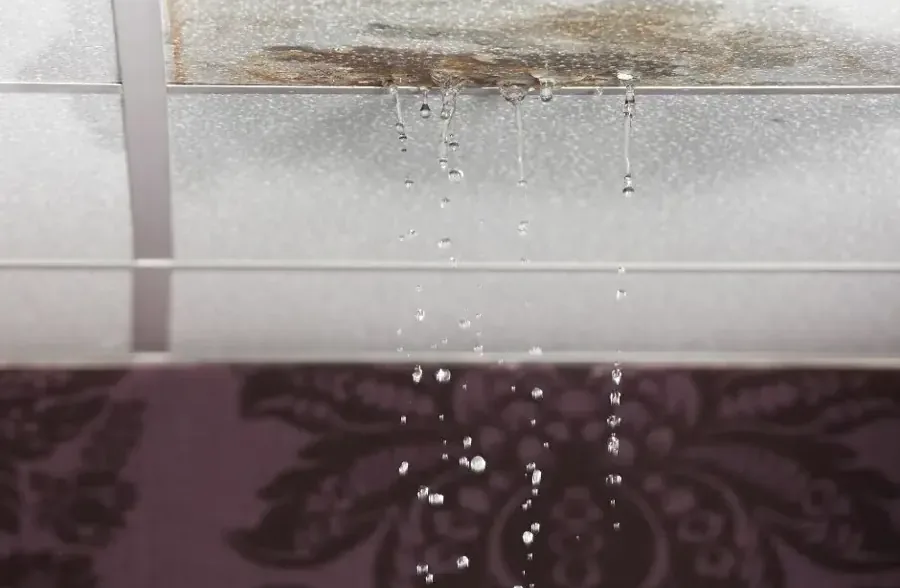 Roof Leak Water DamageWind-driven rain through the roof, with attic insulation and ceilings dried or opened.Details
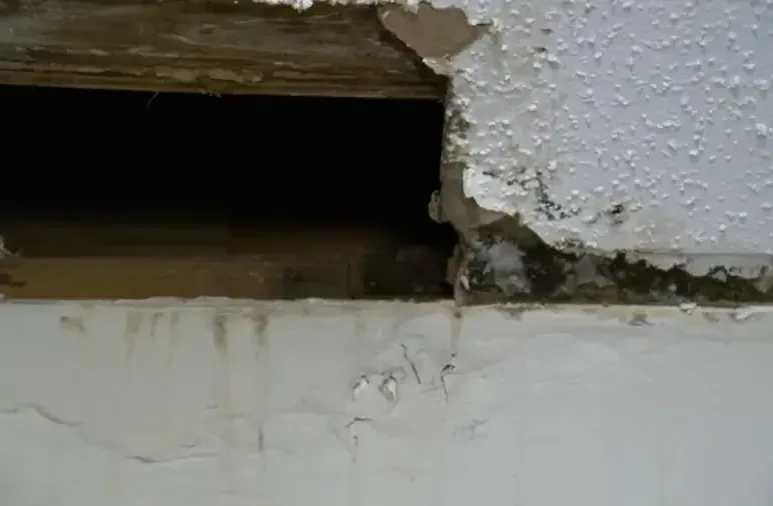 Ceiling Leak Water DamageA stain or sag overhead traced to its source, then opened, dried and checked below.Details
 Appliance and Supply Hose LeaksDishwasher, washer and fridge supply hose leaks that soak cabinets and subfloors.Details
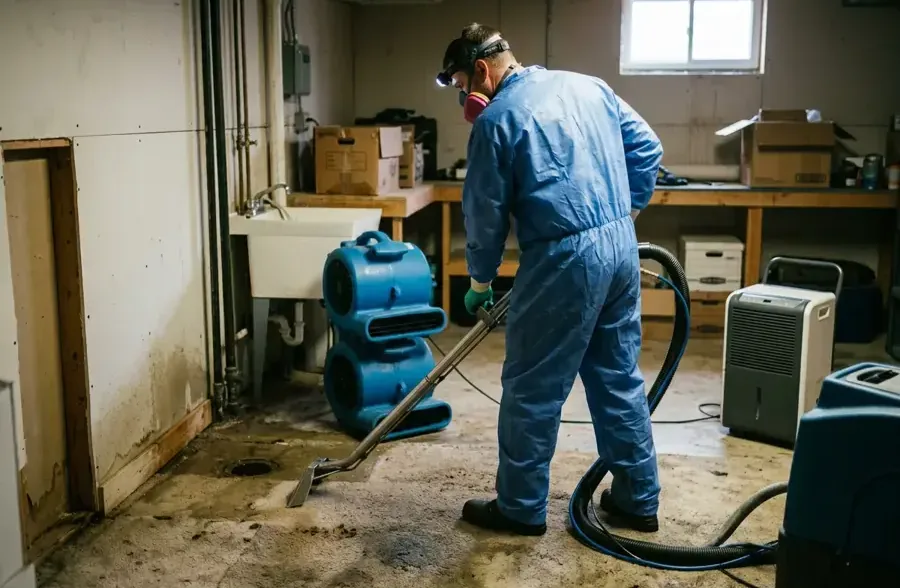 Sewage Backup CleanupContaminated water from a backed-up drain or toilet, contained and removed with protective gear.Details
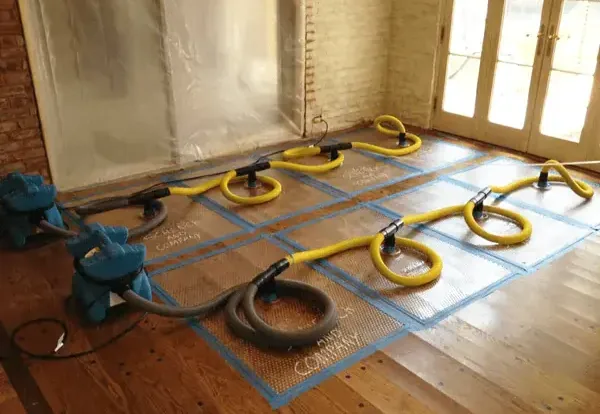 Structural Drying and DehumidificationAir movers and dehumidifiers run on a schedule, with readings until framing and floors are dry.Details
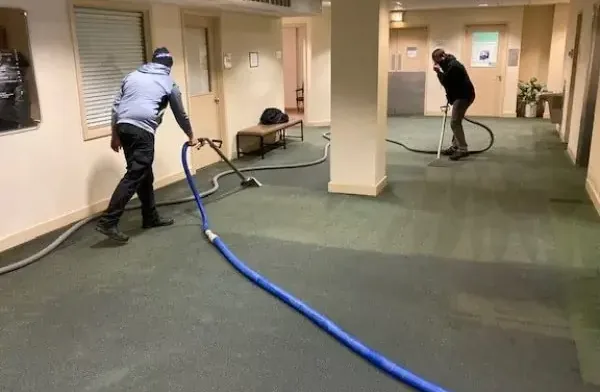 Commercial Water DamageShops, offices and multi-unit buildings dried in phases so the business can keep working.Details
Standing water closed Fort Nugent and Freund Marsh
On December 10, 2025 the city activated its Emergency Operations Center for the Skagit River flood and closed the lower parking lot at Fort Nugent and the Freund Marsh trail over standing water, while Island County itself was spared.
- Water pooling in a low spot beside the house
- Wet carpet along an exterior wall
- A musty smell in rooms kept closed
- Baseboards swelling or paint bubbling at the lower wall
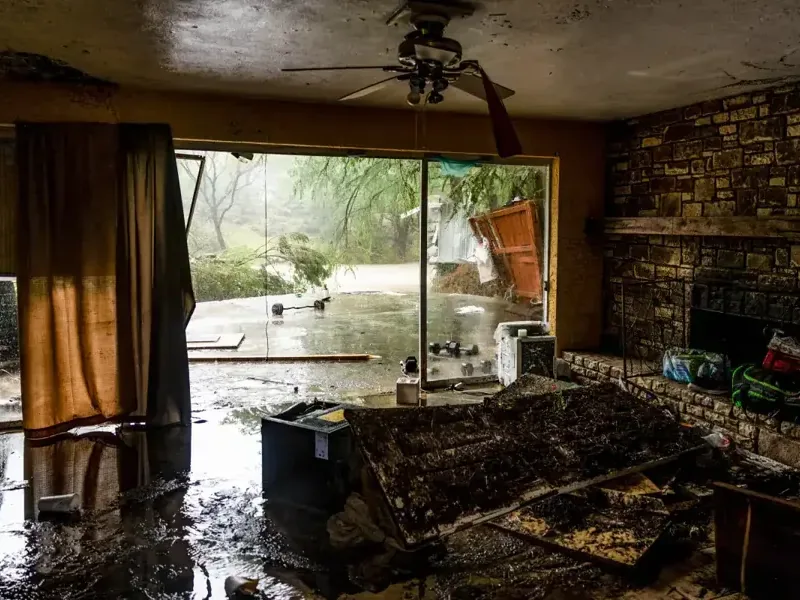
Four steps from standing water to dry framing
Every job follows the industry drying standard, IICRC S500, so each step can be checked against a written moisture record.
Assess and map
A moisture meter and thermal camera trace how far the water has traveled, and the readings become the first page of the claim file.
Extract and remove
Truck-mounted and portable pumps pull standing water first, then wet pad, soaked insulation and swollen trim come out.
Contain and dry
Plastic sheeting separates wet areas, air movers push moisture off surfaces and LGR dehumidifiers pull it out of the air.
Verify and document
Readings are taken every day until the framing matches the dry standard, and the full log goes to the adjuster.
- Truck-mounted extraction
- Daily moisture logs
- LGR dehumidifiers
- IICRC S500 drying
What a water damage cleanup usually costs
Most cleanups land between $1,500 and $18,000, depending on how much water there is, how many rooms it reached and whether the water was clean or contaminated. Exact pricing comes after a walk-through and moisture readings.
One wet room, caught early
$1,500 to $3,000- Water extracted from the floor and pad
- Baseboard pulled and dried
- Moisture readings taken each visit
A ceiling and the room below
$3,000 to $6,000- Wet drywall cut out
- Insulation bagged and removed
- Joist bays dried open
Most of a floor after a storm
$9,000 to $18,000- Contained work zones
- Porous materials removed
- HEPA air scrubbing during drying
Sudden and accidental water losses are the kind most policies address, and the daily log supports the figure. Ranges here are typical, not quotes.
Clean, gray and black water are handled differently
The IICRC S500 sorts water by contamination, and the category decides what can be dried in place and what has to be removed.
Category 1: clean water
A split supply pipe or failed tank starts clean, but clean water turns worse the longer it soaks carpet, pad and wood.
How burst pipe cleanup worksCategory 2: gray water
Overflow from a washer, dishwasher or sink carries some contamination, so soaked pad and cabinet bases are often removed instead of saved.
Appliance and hose leaksCategory 3: black water
A backed-up drain or sewer carries serious contamination, so work starts with containment, protective gear and removal of porous materials.
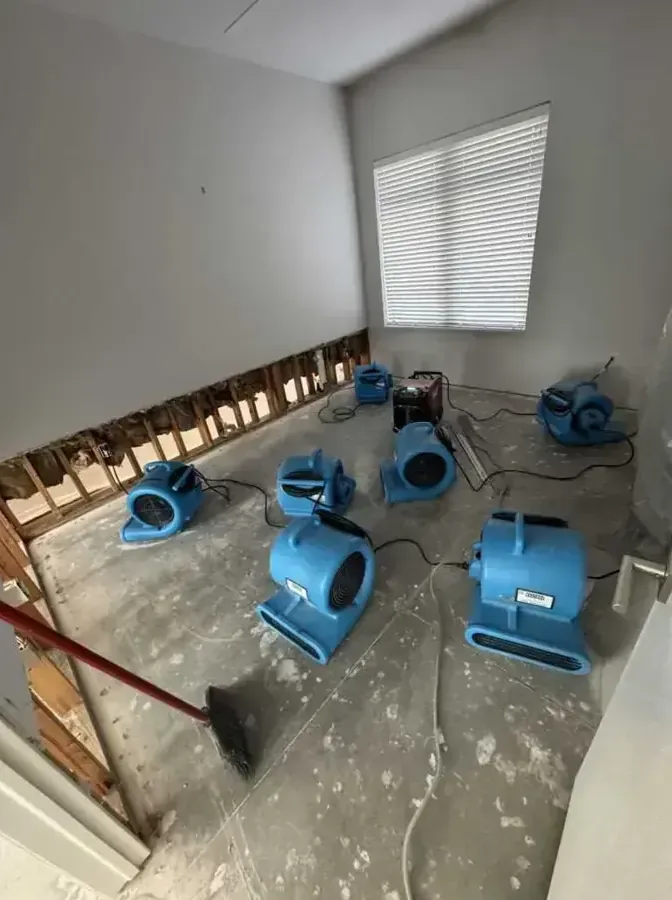
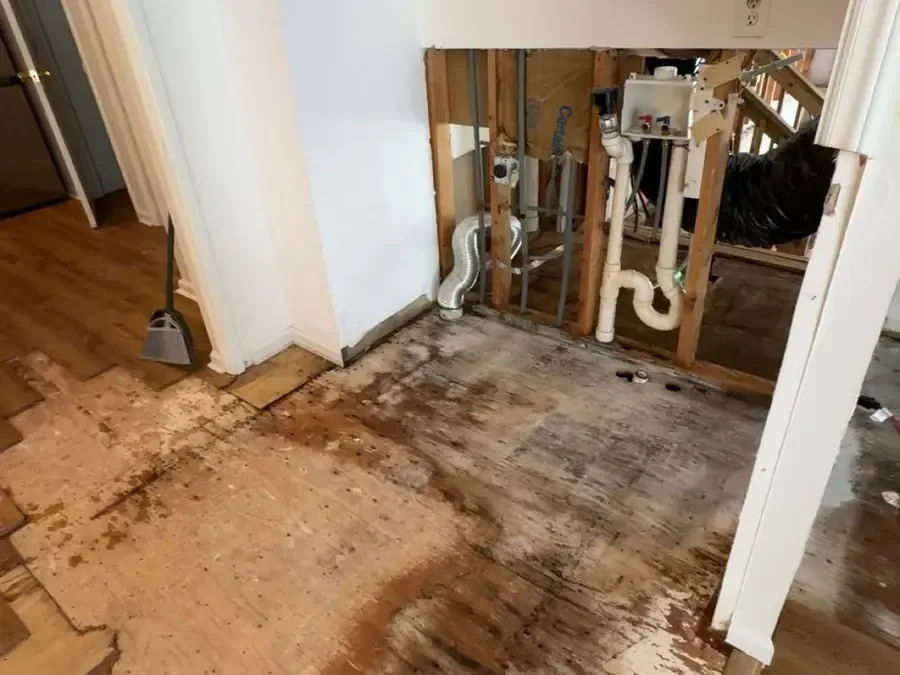
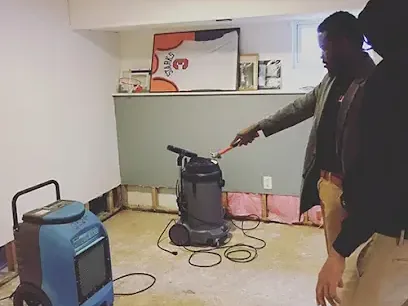
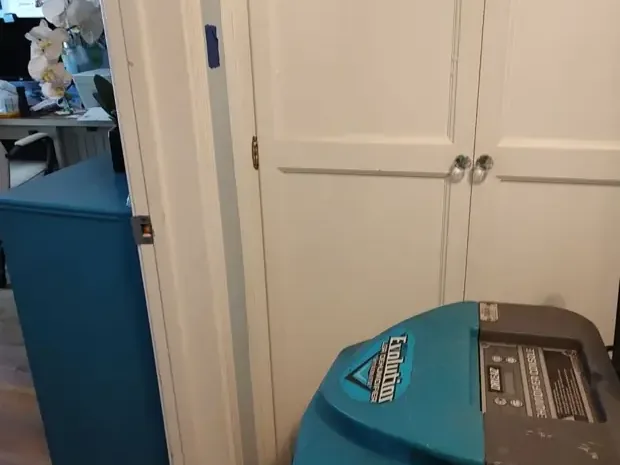
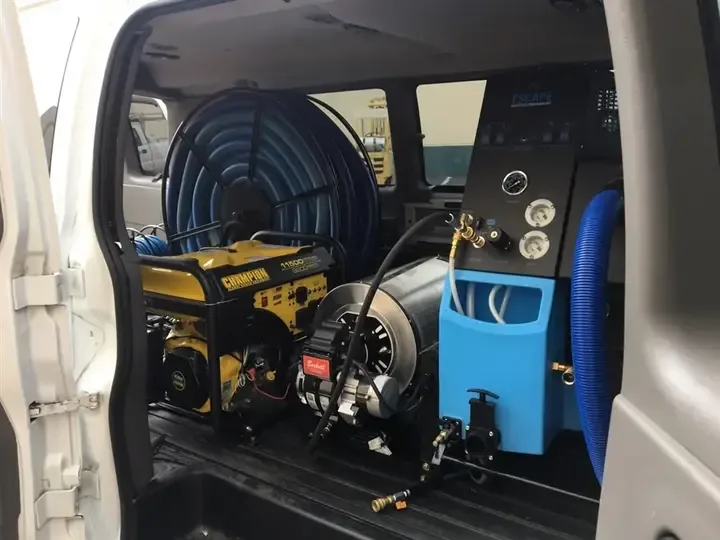
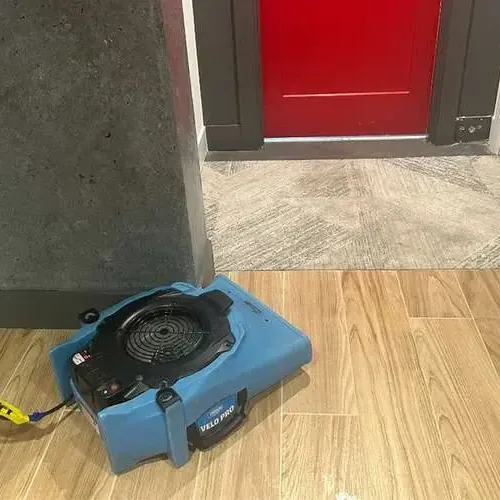
Sewage backup cleanupWhat extraction, flood cuts and drying equipment look like
Typical tools and steps for a water loss, pump-out to dry-out.
What an adjuster expects to see
Insurers pay on evidence, so the file should show the source, the extent and the drying progress from the first day.
- Photos of the leak source and every wet room
- Moisture readings with dates and locations
- A written log of equipment placed and removed
- An itemized list of materials taken out
- Notes on when and how the loss was found
Coverage depends on the policy and the cause of the loss, so the adjuster makes the call; the crew supplies the records and does not promise what a policy will pay.
Prepared for wind, rain and plumbing failures
Ready for storm season
Damp winters and fall windstorms are the seasons that test homes here, so pumps, air movers and dehumidifiers stay stocked for them.
Clear scope up front
The rooms affected, the materials to be removed and the likely cost range are explained before anything is cut or torn out.
Claim-ready documentation
Photos, moisture maps and equipment logs are kept for the adjuster, so the file is complete when the claim is filed.
Private sewer know-how
Under the city's 2006 sewer standards a private sewer is the owner's to maintain, so crews separate cleanup work from repairs that need a permit.
What to do while water is still spreading
- Stop the source if you can: shut the valve under the sink or toilet, or the main shutoff.
- Cut power to wet areas at the breaker, and stay out of standing water near outlets.
- Photograph the damage and the source before anything is moved, and keep damaged items.
- Lift small valuables, rugs and furniture legs off wet floors to prevent stains and swelling.
- Call a water damage crew so extraction starts while carpet, trim and drywall can still be saved.
Crews serve Oak Harbor and Northern Whidbey Island
Drying crews cover ZIP 98277 and 98278, from Old Town and Midtown to Scenic Heights and Swantown.
ZIP codes covered
Water damage work reaches homes and businesses in both ZIP codes, including the Main Street corridor and the waterfront.
Old Town and the waterfront
- Windjammer Park
- Oak Harbor Marina
- Southeast Pioneer Way
- Main Street
Neighborhoods
- Midtown
- Modern Midway
- Fair Winds
- Broad View
More neighborhoods
- Scenic Heights
- Swantown
- Fort Nugent
- Silverspot Valley
Water damage crews on call for North Whidbey
Whidbey Island is reached by land only through Deception Pass, so a call about a wet floor or failed pipe starts with loading equipment for the whole job.
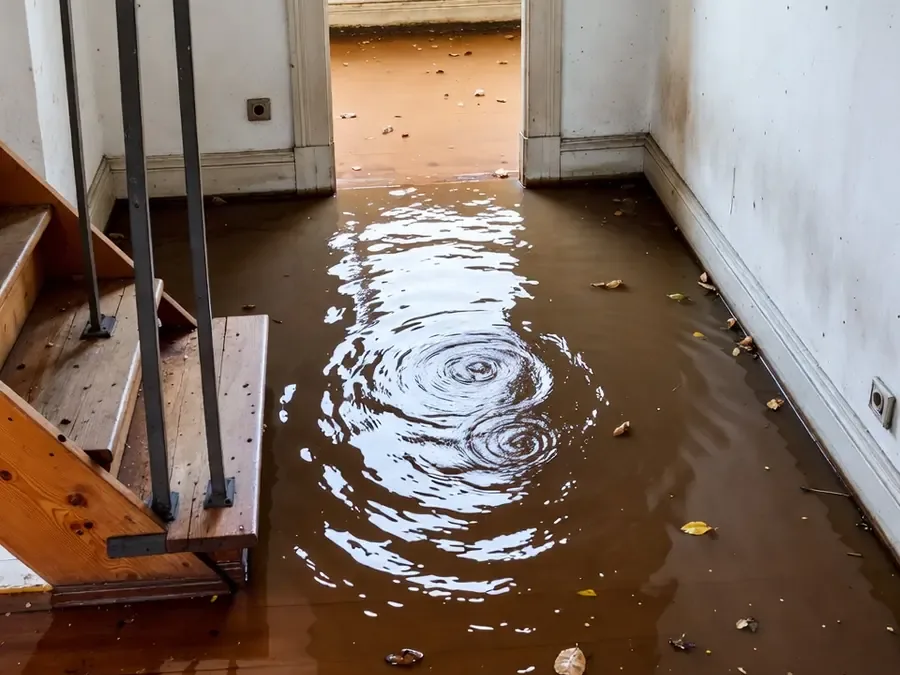
Wind, rain and plumbing: what tests homes here
The Olympic rain shadow keeps the area drier than most of western Washington, but damp winters and fall windstorms still put water in homes.
- On November 15, 2021 a windstorm knocked out power, felled trees and flooded streets, with gusts up to 61 mph at Naval Air Station Whidbey Island.
- On November 4, 2024 the air station recorded 65.6 mph, and North Whidbey Fire and Rescue answered 14 wind-related calls with no damage to homes reported.
- Freund Marsh is 40 acres of natural wetlands near the Scenic Heights Trailhead, and standing water closed its walking trail on December 10, 2025.
- Housing is mixed: the city's Housing Needs Assessment says 68.5 percent of existing structures were built between 1970 and 2009, and renters live in a little over half of occupied homes.
- Private sewer maintenance falls to the property owner under the city's 2006 sewer standards, and a city permit is required before connecting, repairing or modifying it.
Common water damage questions
How quickly does water damage spread through a house?
Water wicks into drywall, insulation and subfloors faster than most people expect, so the first day decides how much can be dried in place. Carpet pad and wet insulation usually have to come out, while framing and hard floors can often be saved.
What should I do first when water is spreading?
Stop the source, cut power to wet areas and photograph everything. Then call a crew so extraction can start while carpet pad, trim and drywall can still be saved. Stay out of standing water near outlets and appliances.
Did the December 2025 Skagit River flood reach Whidbey Island homes?
Island County was spared. Officials said Oak Harbor should be unaffected, and no floods were expected on Whidbey, though the city activated its Emergency Operations Center and closed Fort Nugent's lower lot and the Freund Marsh trail over standing water.
Do windstorms cause water damage here?
They can. Wind-driven rain gets past roofing and flashing, and Naval Air Station Whidbey Island recorded 61 mph on November 15, 2021 and 65.6 mph on November 4, 2024. After a storm, check ceilings and attic insulation for stains, and read about roof leak water damage if one appears.
Who is responsible for a backed-up private sewer?
The city's sewer standards, revised in 2006, put maintenance of the private sewer on the property owner and require a city permit before one is connected, repaired or modified. Sewage backup cleanup covers the contaminated water inside the house.
How much does water damage restoration cost?
Typical jobs run from $1,500 to $3,000 for one wet room up to $9,000 to $18,000 for most of a floor, with sewage and large losses higher. A walk-through and moisture readings set the real figure.
Does insurance cover water damage?
Coverage depends on the policy and the cause. Sudden plumbing and appliance failures are treated differently from slow leaks or surface flooding, so ask the insurer early and keep photos, readings and receipts.
Can renters call for water damage cleanup?
Yes, but tell the landlord or property manager first, since the building owner controls repairs and usually the claim. Renters live in a little over half of occupied homes in the city, so photograph your own belongings too.
How long does drying take?
Drywall and carpet commonly dry in 3 to 5 days, while hardwood, plaster and framing take longer. Daily readings, not the calendar, decide when equipment comes out. See structural drying for the details.
Do water heater replacements need a city permit?
The city's permit portal lists replacing or adding electric water heaters under the Plumbing permit type, and gas water heaters use the Mechanical permit type. After a leak, ask the plumber to confirm the permit before the tank is swapped.
When water is spreading, the next step is a call
Crews pump out the water, open what is wet and start drying while the damage is still small. Describe what happened, and the next step and rough scope are explained before any work begins.