Structural Drying in Oak Harbor
Winter damp makes drying harder, not easier. Crews place air movers and LGR dehumidifiers by the room's measurements and read moisture every day until floors, walls and framing meet the dry standard.
(888) 509-1696Call about drying a wet structure- LGR dehumidifiers
- Air mover placement
- Psychrometric logs
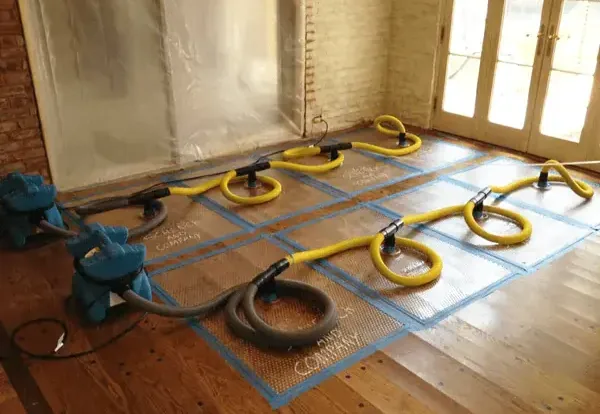
First steps for structural drying and dehumidification
Leave it running
Keep air movers on and do not move them once they are placed.
Keep doors closed
Closed rooms let dehumidifiers work on a smaller volume of air.
Expect the noise
Equipment runs around the clock until the readings say stop.
Report changes
Tell the crew about new stains or smells during drying.
The standard behind structural drying and dehumidification
Rapid local response
Dispatch runs 24/7, and an active leak, flood or backup is treated as urgent on nights, weekends and holidays.
IICRC S500 drying standard
The drying team maps moisture first, sizes air movers and LGR dehumidifiers to the load and keeps them running until the readings say dry.
Claim-ready documentation
Timestamped photos, the moisture map and daily drying logs go into one file an adjuster can follow.
Skagit Valley water know-how
Crawl spaces, river floodplain lowlands, damp winter air and hard freezes all change how water moves through a house here.
What does structural drying and dehumidification cost in Oak Harbor, WA?
Structural drying runs from $1,200 for drywall and carpet to $7,500 for crawl space framing and subfloor. Days of equipment and the materials involved set the price, and daily readings are part of the work.
Drywall and carpet rooms
$1,200 to $2,800- Fans and dehumidifiers placed
- Readings taken daily
- Humidity and temperature logged
Hardwood or plaster surfaces
$2,800 to $5,000- Mats pulling water up
- Extended equipment run
- Desiccant for stubborn areas
Crawl space framing, subfloor
$4,000 to $7,500- Equipment run beneath the house
- Joists and subfloor metered
- Space sealed during drying
Ranges are typical, not a quote. Water category, square footage, material class and how fast drying started move the number most. The water damage cost calculator gives a planning range.
How structural drying and dehumidification is handled, step by step
- 1
Place it
Air movers and dehumidifiers go in where the readings are highest.
- 2
Run it
Equipment works around the clock while doors stay closed.
- 3
Read it
Technicians log moisture, temperature and humidity every day.
- 4
Release it
Equipment comes out once every reading matches the dry standard.
Drying starts after the water is out and runs until the building's own materials say they are dry, which can take several days. The Olympic rain shadow makes the area much drier than most of western Washington, but damp winters still make indoor drying a controlled process rather than an open-window job.
How drying equipment works
Air movers push dry air across wet surfaces so moisture leaves the material, and LGR dehumidifiers pull that moisture out of the air. Without both, water only moves from the floor into the walls. Placement follows the size of the room and the readings, not a fixed formula.
- Air movers aimed along wet walls and floors
- LGR dehumidifiers sized to the wet volume
- Drying mats set on hardwood
- Desiccant units where the air stays very damp
Daily readings decide the end
Technicians return daily to read moisture in drywall, wood and flooring and to log the temperature and humidity of the air. Equipment is moved or removed as areas dry, and the job ends only when every reading matches the dry standard.
Why drying cannot be skipped
Surfaces that look dry can hold moisture in framing and subfloor, and that moisture can warp floors, loosen finishes and allow mold to grow. A written log shows the adjuster that the structure was dried to the standard. Related pages: water extraction and crawl space water removal.
Structural drying and dehumidification across Oak Harbor and nearby towns
Drying crews serve ZIP 98277 and 98278, including Midtown, Old Town, Fair Winds, Broad View, Scenic Heights, Swantown, Silverspot Valley and the neighborhoods along State Route 20.
The same service nearby: structural drying and dehumidification in Mount Vernon, Anacortes, Stanwood.
Related water damage services in Oak Harbor
Structural Drying and Dehumidification questions, answered
Why do the fans and dehumidifiers run for days?
Moisture inside framing and subfloor leaves slowly, and the equipment keeps pulling it out until readings match the dry standard. Stopping early leaves hidden moisture behind.
Can I just open windows instead?
In damp winter air that can add moisture instead of removing it. Dehumidifiers work best in a closed room, which is why doors and windows stay shut during drying.
What do the daily readings measure?
Moisture content in drywall, wood and flooring, plus the temperature and humidity of the air. Together they show whether the structure is drying or still holding water.
Does the Olympic rain shadow help drying?
The area is much drier than most of western Washington, but winters are still damp, so indoor humidity is controlled by equipment rather than left to the weather.
Will the electric bill go up?
Running equipment draws power, and the bill rises while it runs. The drying log records how long the equipment ran, which helps explain the cost to the insurer.
How do I know drying is finished?
The final readings match the dry standard in every wet area, and the log shows the same values across visits. Equipment is removed only at that point.
Dry it to the standard
Call about the wet structure, and the crew explains where equipment will go, how often readings are taken and what the adjuster receives at the end.