Water Damage Restoration in Sedro-Woolley, WA
Crews pump out standing water and set drying equipment in Sedro-Woolley homes and businesses, then work from moisture readings until floors, drywall and framing are dry, whether the water came from the Skagit River or a split pipe.
(888) 509-1696Get a crew to the water- Around-the-clock dispatch
- Flood and sewage protocols
- Daily psychrometric readings
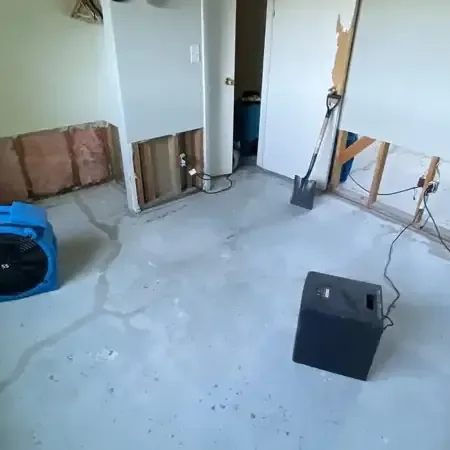
Thirteen kinds of water loss, one dry-out plan
Skagit River flooding, a creek backing up in a storm, a split supply pipe or a failed water heater each calls for a different first move.
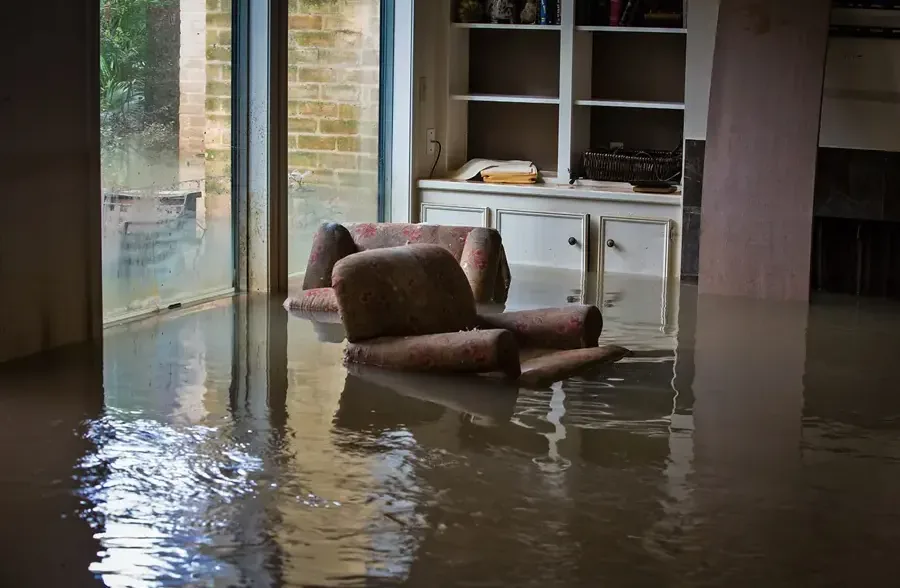 River and creek flood waterFlood Water CleanupRiver and creek water is treated as contaminated, so wet carpet, pad and drywall come out first.See how it is handled
 Standing water firstWater Extraction and RemovalTruck-mounted extraction pulls standing water from carpet and hard floors before drying begins.See how it is handled
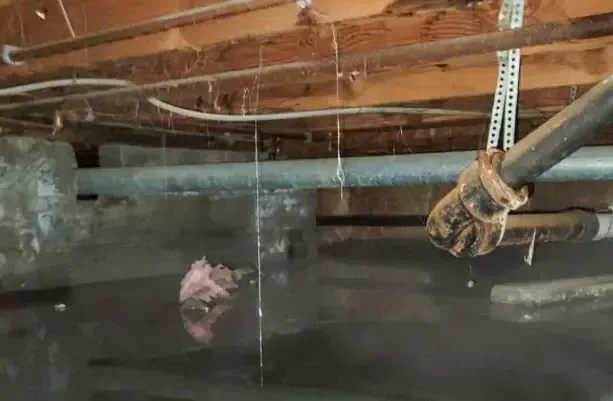 Crawl Space Water RemovalPumps clear standing water under the floor, then dehumidifiers dry the joists and subfloor from below.Details
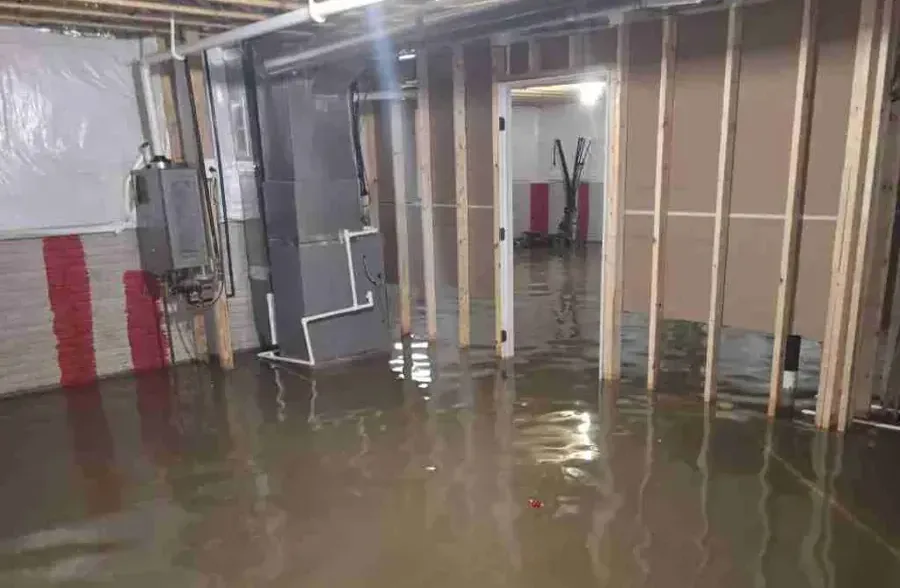 Basement Flooding CleanupWater in a lower level is pumped out, then walls and concrete are dried and measured.Details
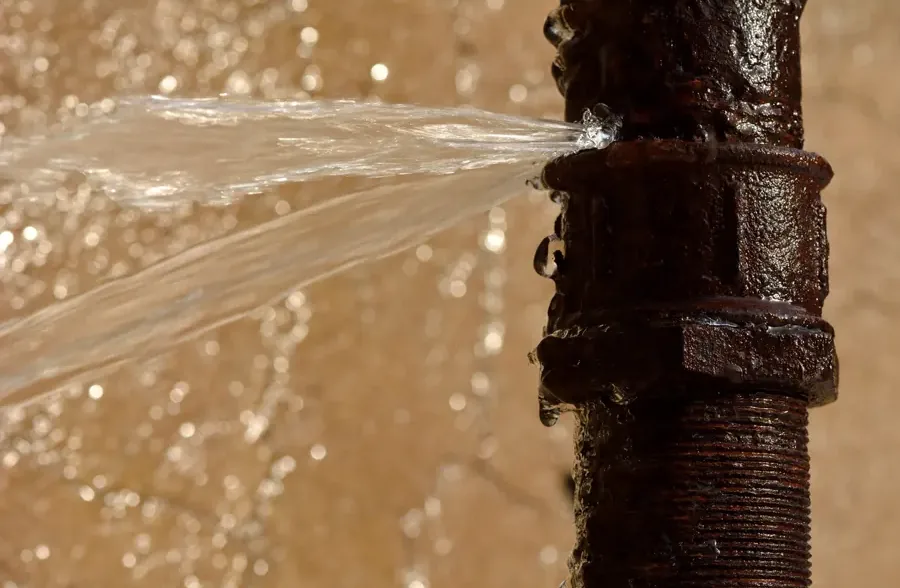 Burst Pipe Water DamageA split supply pipe soaks cavities fast, so wet drywall is opened and the framing dried.Details
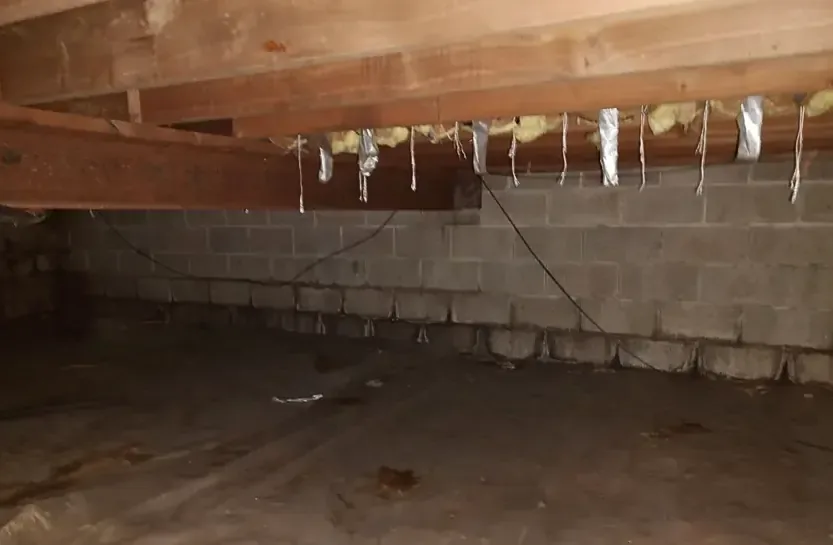 Frozen Pipe Water DamageWinter lows can dip to 10 degrees in Skagit County, and a thawing pipe can flood a wall.Details
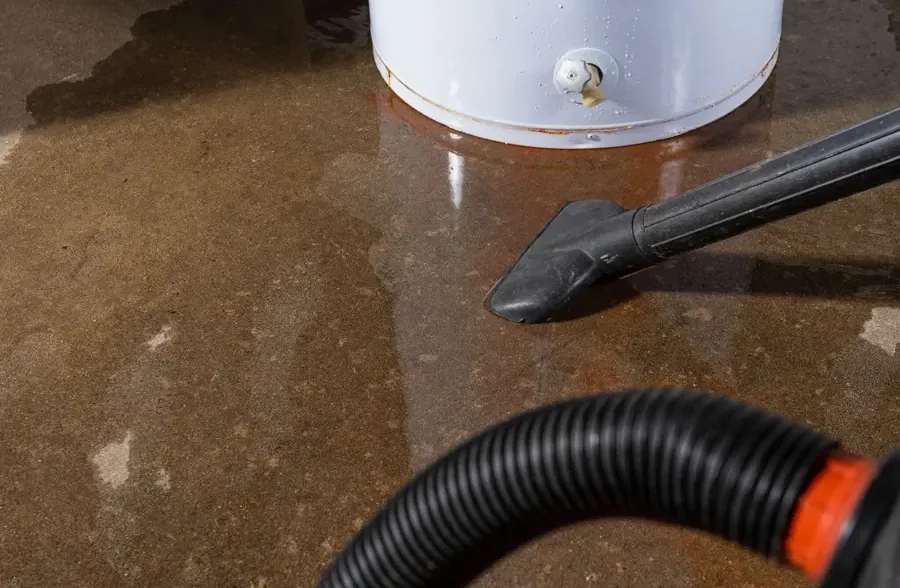 Water Heater Leak CleanupA failing tank can empty onto a floor, soaking the subfloor and nearby walls.Details
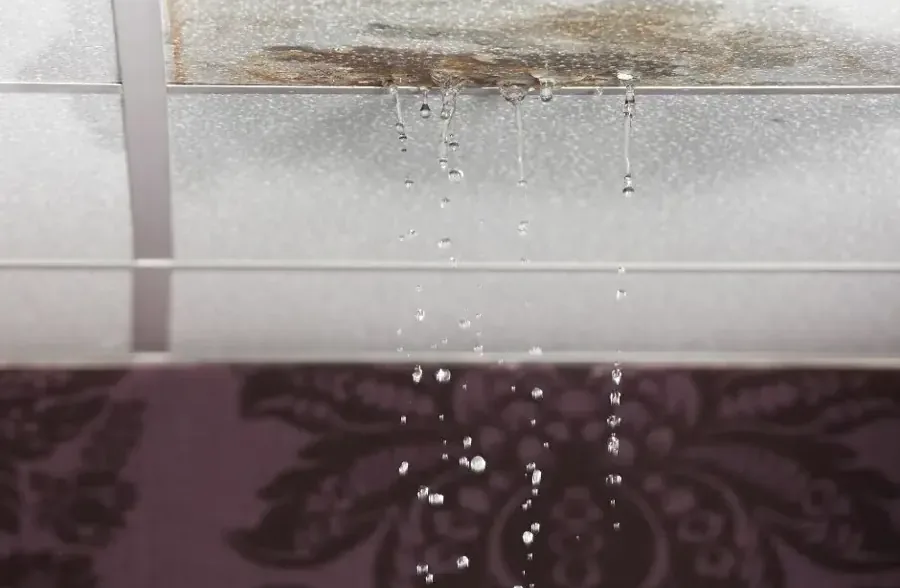 Roof Leak Water DamageRain that slips past shingles wets insulation and ceilings well before a stain shows.Details
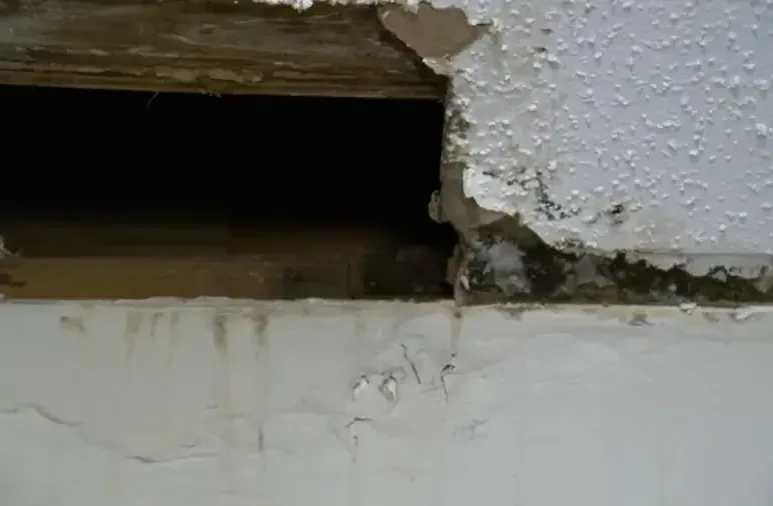 Ceiling Leak Water DamageA stained or sagging ceiling is opened, the source traced and the joist bays dried.Details
 Appliance and Supply Hose LeaksWasher, dishwasher and ice maker leaks reach subfloors and, in multi-unit buildings, a neighbor's ceiling.Details
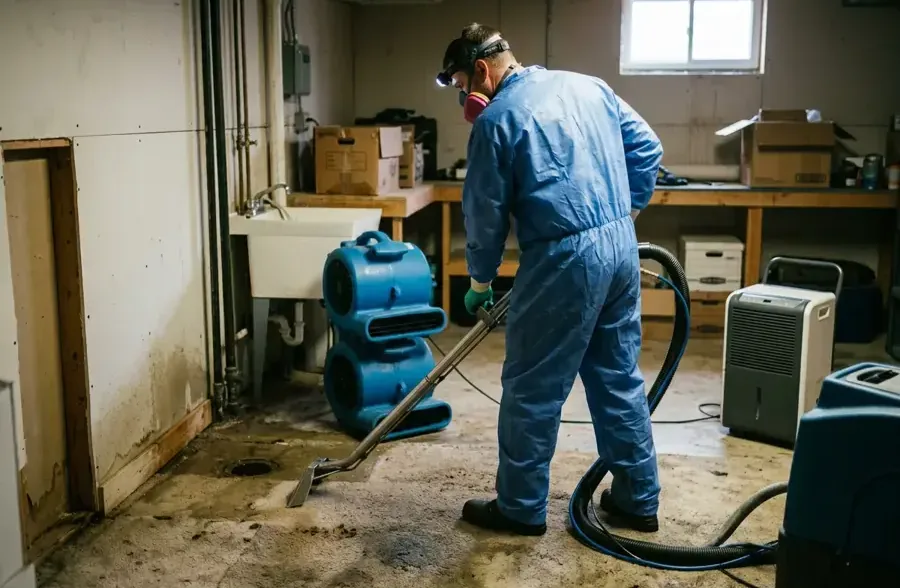 Sewage Backup CleanupBackups call for containment, removal of porous materials and antimicrobial treatment before drying starts.Details
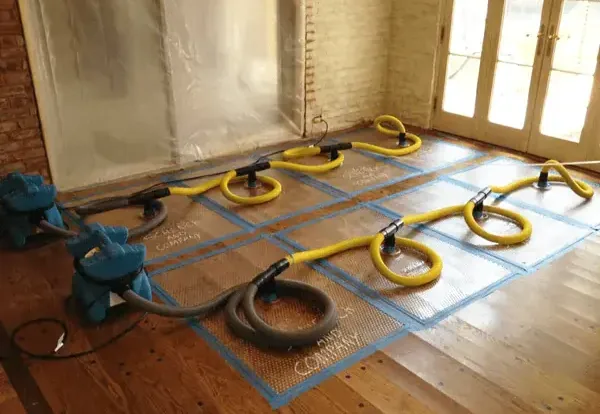 Structural Drying and DehumidificationAir movers and dehumidifiers dry framing and floors until daily readings reach the drying goal.Details
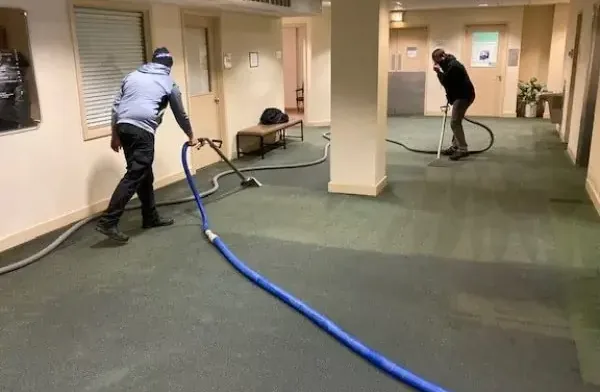 Commercial Water DamageStorefronts, offices and work buildings get phased drying plans that keep the rest of the business open.Details
A record river crest, upstream of town
The Skagit River crested at a record 41.1 feet at Concrete on December 11, 2025, upstream of Sedro-Woolley, and reached 37.73 feet at Mount Vernon the next day, above the 1990 record of 37.37 feet.
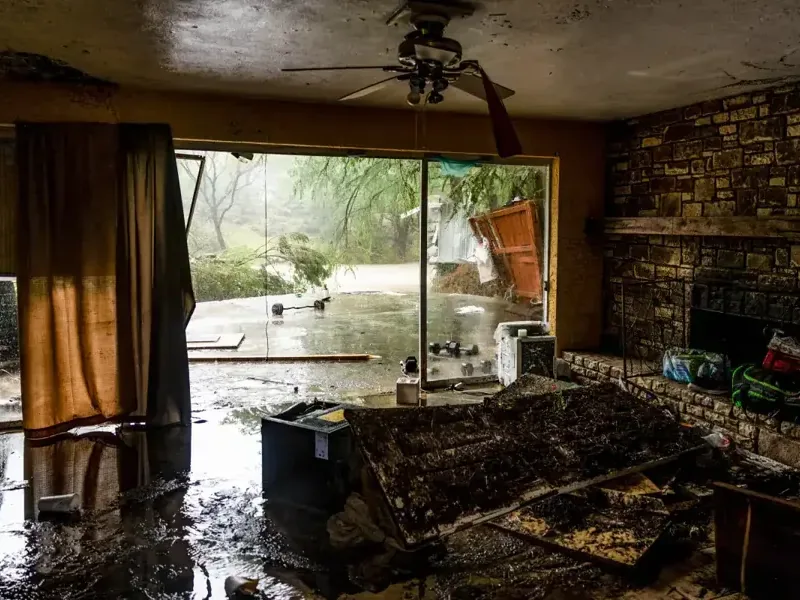
- Muddy water standing on any floor or in the crawl space
- Silt left on baseboards, carpet and lower cabinets
- Drywall wicking water well above the visible flood mark
- A swampy smell lingering after the water drains away
Drying to the standard, not to a guess
Crews follow IICRC S500 practice and log moisture readings at every visit until each wet material reaches its drying goal.
Assess the water
The source is found and stopped, the water is sorted by category from clean to contaminated, and moisture is mapped across floors and walls.
Extraction first
Truck-mounted pumps and wands remove standing water, because every gallon pulled out is a gallon that never has to evaporate.
Open and remove
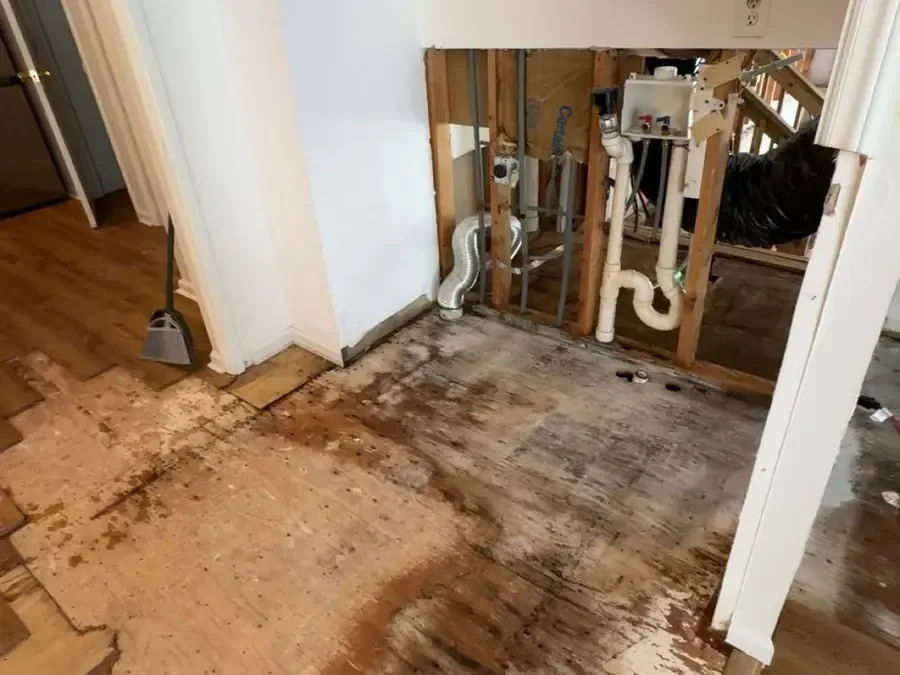
Soaked pad, insulation and drywall that cannot be dried in place are cut out, bagged and listed for the claim.
Dry and verify
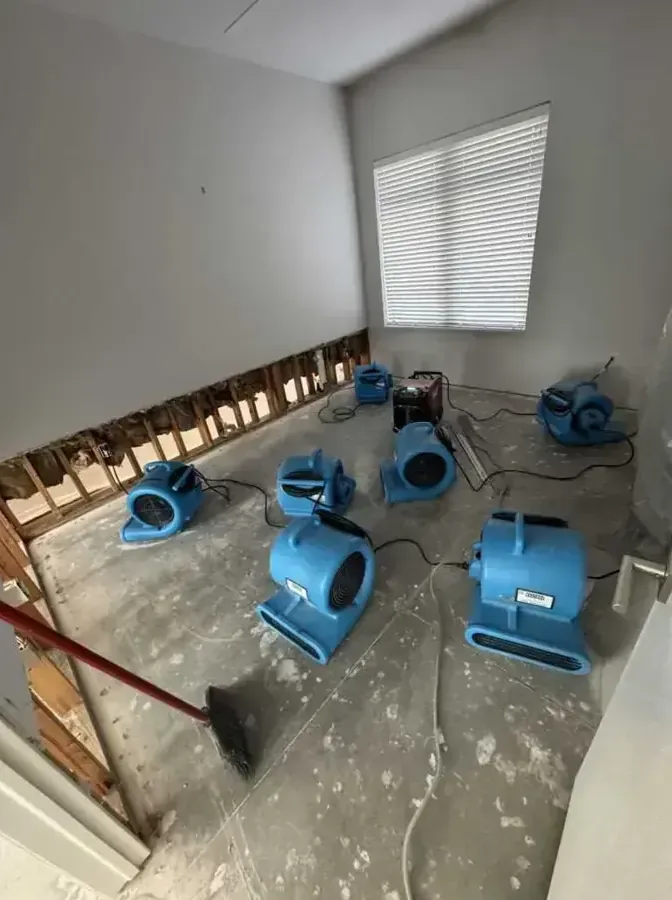
Air movers and dehumidifiers run while readings are taken, and equipment stays until every wet material reaches its drying goal.
- Moisture mapped first
- Truck-mounted extraction
- Daily moisture logs
- Photos for the claim
What a typical dry-out costs here
Cost follows how far the water spread, how long it sat and whether it was clean water, river water or sewage. A short pump-out sits at the low end, and a multi-room loss with contaminated water sits at the top.
A small leak, caught early
$1,500 to $3,000- Water extracted from the floor
- Air movers and one dehumidifier
- Moisture readings every visit
Wet ceiling and the room below
$3,000 to $6,000- Ceiling drywall opened
- Soaked insulation removed
- Joist bays dried out
River or creek water, several rooms
$9,000 to $18,000- Category 3 containment
- Lower drywall and pad removed
- Long dry-out with daily logs
Insurance coverage, deductibles and the size of the loss change what an owner actually pays, so the written scope and photos matter as much as the invoice.
Clean, gray or black: the category sets the plan
The IICRC S500 standard sorts water by contamination, and the category decides which materials can be dried and which must be removed.
Clean at the source
A failed supply pipe or tank starts as clean water, but it picks up contamination as it soaks flooring and framing.
See burst pipe water damageGray water from appliances
Washer or dishwasher discharge carries soap and bacteria, so soaked pad and low drywall usually need to come out.
See appliance leak cleanupBlack water and river water
Sewage and Skagit River flood water are contaminated, so porous materials are removed and the area is contained and disinfected.
See sewage backup cleanupEquipment and cleanup steps from typical water jobs
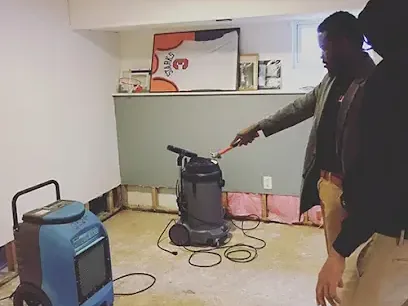
Example photos of the tools and cleanup steps used on typical jobs.
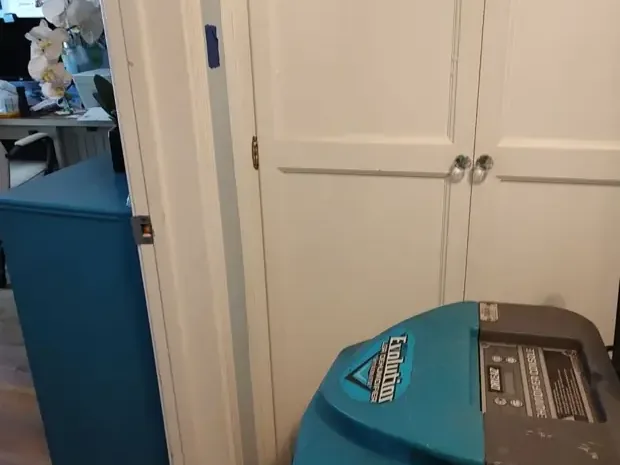
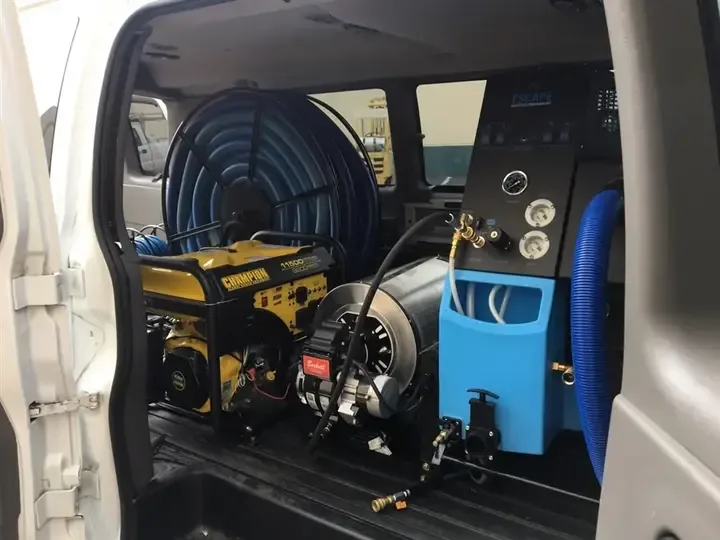

Documentation that supports the claim
Adjusters ask for evidence of the water source, the damage and the drying, so the record is built while the work happens.
- Dated photos of every wet room before demolition
- Moisture readings from each visit, room by room
- A written scope listing each material removed
- Equipment placement and run records for the dry-out
- An itemized list of contents moved or discarded
Coverage decisions belong to the insurer, and flood water is often handled differently from a burst pipe, so owners should read their own policy and call the insurer early.
A crew that knows river, creek and storm water
Rapid local response
Water damage ignores business hours, so the crew is reachable around the clock and mobilizes as soon as the address and type of water are confirmed.
Meter-led drying
Moisture and thermal readings decide where equipment goes and when it comes off, instead of a fixed number of days.
Claim-ready documentation
Photos, readings and a material list are kept for every job, giving an adjuster the evidence behind each item of the scope.
Skagit River know-how
River flood water, creek backups and Brickyard Creek surges are handled as contaminated, with porous materials removed and surfaces treated.
What to do while waiting for the crew
- Stay out of standing water if it may have reached outlets or cords.
- Shut off the main water valve if a pipe or fixture is the source.
- Move small valuables, rugs and electronics to dry rooms, and lift furniture off wet carpet.
- Photograph the damage and the high-water mark before anything is moved or thrown out.
- Keep children and pets away from river, creek or sewage water.
Water damage crews across Sedro-Woolley
Crews work throughout the city, from the brick downtown on Metcalf Street to the Fruitdale Road corridor.
ZIP code covered
Homes and businesses in 98284 are served, from the river side of town to the State Route 9 corridor.
Downtown and the river side
- Metcalf Street
- Hammer Heritage Square
- Riverfront Park
- River Road area
North and east
- North Township
- State Route 9 corridor
- Northern State campus
Creek and west side
- Brickyard Meadows
- Lucas Drive
- Independence Boulevard
- United General Hospital area
Water in the building? Get a crew moving.
Calls are taken around the clock, and the sooner the water is out, the less of the floor, wall and ceiling has to be torn out.
Where river, creek and winter rain meet the city
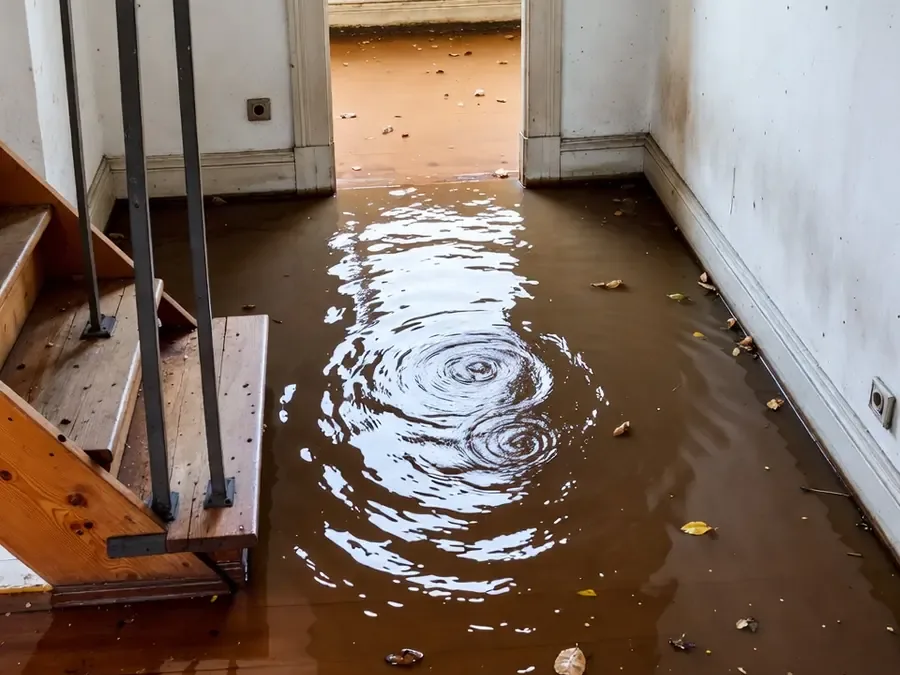
River, creek and rain explain most local losses: the Skagit River on the south edge, Brickyard Creek inside the city and heavy winter storms.
- Skagit River floods in 1990, 1995, 2003 and 2006 each brought a federal disaster declaration to Skagit County, and December 2025 set a record crest upstream.
- Brickyard Creek carries about 40 percent of the city's drainage, and parts of town see short, localized flooding when it backs up in peak storms.
- The comprehensive plan lists the North Reed and Brickyard Meadows intersection, parts of Lucas Drive and Independence Boulevard, and the golf course as creek surcharge spots.
- In 2020 the county hazard plan counted 43 of 1,593 assessed buildings, or 2.7 percent, inside the special flood hazard area, a count that predates December 2025.
- At 30.3 feet on the Mount Vernon gauge, the south end of Francis Road is overtopped, cutting the road to the city by way of Clear Lake.
Water damage questions from local owners
Does the Skagit River make flood cleanup different here?
Yes. River water carries silt, sewage and runoff, so it is treated as Category 3. Wet carpet, pad and drywall come out, surfaces are disinfected, and drying starts only after the contaminated material is gone.
What happens when Brickyard Creek backs up?
The city reports short, localized flooding in parts of town when the creek backs up in peak storms. Water that enters a building that way is handled as outside water: extracted, cut out where porous, disinfected and dried with readings logged.
Who maintains the sewer pipe if drains back up?
The city comprehensive plan puts the side sewer from the main to the property boundary with the city, and the stretch from the right of way edge to the home with the owner. That split says who maintains the pipe, not who pays for the damage.
How many local buildings sit in the flood hazard area?
The 2020 Skagit County hazard mitigation plan counted 43 of 1,593 assessed buildings in the city, or 2.7 percent, inside the special flood hazard area. Water still reaches other homes through creek backup, rain or a failed pipe.
Were homes damaged in the December 2025 flood?
The public December 2025 numbers are river gauge and county figures, not a count of damaged homes in the city. Anyone with wet property after the event should treat river water as contaminated and keep photographs.
Does a crawl space need drying after a flood?
Yes, when water reached it. Standing water is pumped out, soaked insulation and barrier pulled, and dehumidifiers dry the joists. Foundation types vary from house to house, so the crew checks under the floor first. Crawl space water removal covers the steps.
Can an appliance leak reach a neighbor's unit?
In 2018 the state counted 1,106 housing units in multi-unit buildings here, and water from a washer or supply hose can travel through floors and ceilings below. Both units need moisture checks. See appliance leak cleanup.
How cold does it get for frozen pipes?
Skagit County winter lows can dip to 10 degrees against an average of 50 degrees across the year. A hard freeze can split a supply pipe in an unheated wall, and the leak often shows as the pipe thaws. Frozen pipe damage is handled by opening the wet wall.
Does commercial water damage get a different plan?
Yes. A Metcalf Street storefront, a clinic or a manufacturing building needs containment, phased drying and after-hours work so the business can keep running. Details sit on the commercial water damage service.
What should be done first when water appears?
Stop the source if it is a pipe or fixture, stay clear of electrical hazards and photograph the water before moving anything. Then call a crew, because extraction is cheapest while materials can still be saved.
Every day wet materials sit makes the repair bigger
Sedro-Woolley owners can report a loss at any hour and get the extraction and drying plan started, with photos and readings kept for the insurance file from the first visit to the last.