Crawl Space Water Removal in Sedro-Woolley
Skagit County rain from November through January can leave water pooled beneath a floor where no one sees it. Pumps clear the space, wet insulation comes out and dehumidifiers dry the joists from below.
(888) 509-1696Clear the water under my floor- Floor joist moisture checks
- Wet insulation removal
- Dehumidifiers below the floor
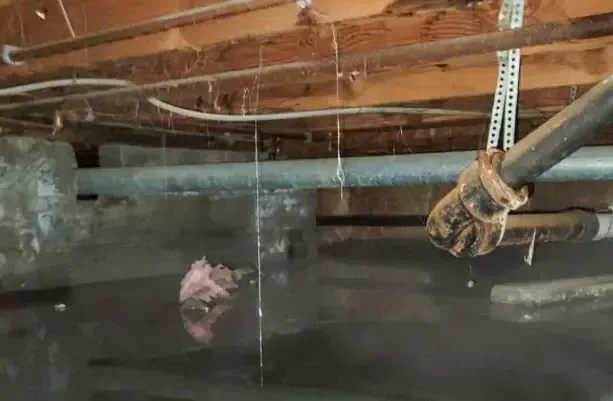
First steps for crawl space water removal
Find the source
Check for a running pipe, a leaking tank or a drain joint before blaming rain alone.
Shut off the water
Close the main valve if a pipe or fixture is feeding the space.
Kill the circuits
Switch off any breaker serving lights, pumps or outlets in the wet space.
Clear the hatch
Open the access panel and move stored items so the crew can see and reach the water.
The standard behind crawl space water removal
Rapid local response
Dispatch runs 24/7, and an active leak, flood or backup is treated as urgent on nights, weekends and holidays.
IICRC S500 drying standard
The drying team maps moisture first, sizes air movers and LGR dehumidifiers to the load and keeps them running until the readings say dry.
Claim-ready documentation
Timestamped photos, the moisture map and daily drying logs go into one file an adjuster can follow.
Skagit Valley water know-how
Crawl spaces, river floodplain lowlands, damp winter air and hard freezes all change how water moves through a house here.
What does crawl space water removal cost in Sedro-Woolley, WA?
Under-floor jobs depend on how much insulation is wet, whether the barrier must come out and whether sewage or river water is involved. Clean-water pump-outs sit at the low end of the three tiers.
Clean water pumped and dried
$1,500 to $3,000- Standing water pumped off
- Dehumidifiers under the floor
- Joist readings every visit
Insulation and barrier pulled
$3,000 to $6,000- Soaked batts bagged out
- Barrier lifted and removed
- Subfloor dried from below
Sewage or river water below
$5,500 to $8,500+- Category 3 containment
- Soil and framing disinfected
- Porous materials fully removed
Ranges are typical, not a quote. Water category, square footage, material class and how fast drying started move the number most. The water damage cost calculator gives a planning range.
How crawl space water removal is handled, step by step
- 1
Inspect
Crawl the space with a light and a meter to find the water and the wet framing.
- 2
Drain
Pump standing water out and away from the foundation.
- 3
Clear out
Remove soaked insulation and lift or cut the vapor barrier.
- 4
Dry down
Set dehumidifiers and air movers, then track joist readings until they level off.
A wet crawl space rarely announces itself. Water sits in the dark, soaks insulation and slowly raises the moisture in the joists and subfloor above. Not every house in Sedro-Woolley has an under-floor space, so the first task is simply to look and measure.
How water gets under a floor
Heavy rain is the obvious route, and Skagit County gets moderate to heavy rain from November through January. Pipes are the other one: a split supply pipe, a leaking water heater or a drain joint above can all drip into the space below without any sign upstairs.
- Rain that pools beside the foundation and seeps in
- A pipe or fitting leaking inside the floor system
- Tub or appliance drains that drip through the subfloor
- River or sewage water, which needs Category 3 handling
Each source changes the plan, so the cause is traced first. A pipe leak calls for a plumber as well as a drying crew, while a river or sewage source means the soil and framing need treatment, not just pumping.
What gets pulled out
Wet batt insulation sags, holds water against the subfloor and has to go. A torn or floating vapor barrier is lifted so the soil beneath can be treated and dried. Wood framing is usually kept and dried, because joists dry well once air and dehumidifiers reach them.
- Soaked insulation bagged and hauled out
- Vapor barrier removed, then reinstalled later
- Standing water pumped to the exterior
- Soil and framing treated where contamination is possible
Drying the space from below
Dehumidifiers and air movers are set beneath the floor, and readings are taken on the joists and the underside of the subfloor. The goal is a dry structure before insulation and barrier go back, since sealing in dampness is how hidden decay starts. Structural drying covers the measuring, and flood water cleanup applies when river or creek water caused the loss.
Crawl space water removal across Sedro-Woolley and nearby towns
Under-floor work is available across ZIP 98284, from older streets near Metcalf Street to newer homes in Brickyard Meadows and along the State Route 9 corridor.
The same service nearby: crawl space water removal in Mount Vernon, Burlington, Anacortes.
Water damage restoration in Sedro-Woolley · every town covered
Related water damage services in Sedro-Woolley
Crawl Space Water Removal questions, answered
Do all homes here have a crawl space?
No. Foundation types vary from house to house, so the crew looks under the home first and only treats a crawl space where one exists.
Can wet insulation just be left to dry?
Rarely. Soaked batts sag and hold water against the subfloor, so they are normally removed and replaced once the framing is dry.
Why is the vapor barrier removed?
Water and contaminants collect under it, and it blocks airflow. It comes up for treatment and drying, then a new one is laid when the space is dry.
Does winter rain really reach the crawl space?
It can. Skagit County sees moderate to heavy rain from November through January, and water that pools beside a foundation can seep in through vents and gaps.
Is the work done from inside the house?
Mostly from the access hatch and from beneath the floor. Floors above are checked with meters so damage that crept upward is caught, and cabinets or flooring above can be lifted when readings call for it.
When does it turn into a sewage job?
When the water came from a drain or sewer pipe, or from river or creek flooding. That calls for sewage backup cleanup precautions.
Dry joists keep the floor above sound
Report the water and a crew can inspect the space, pump it out and set drying equipment beneath the floor.