Flood Water Cleanup in Mount Vernon, WA
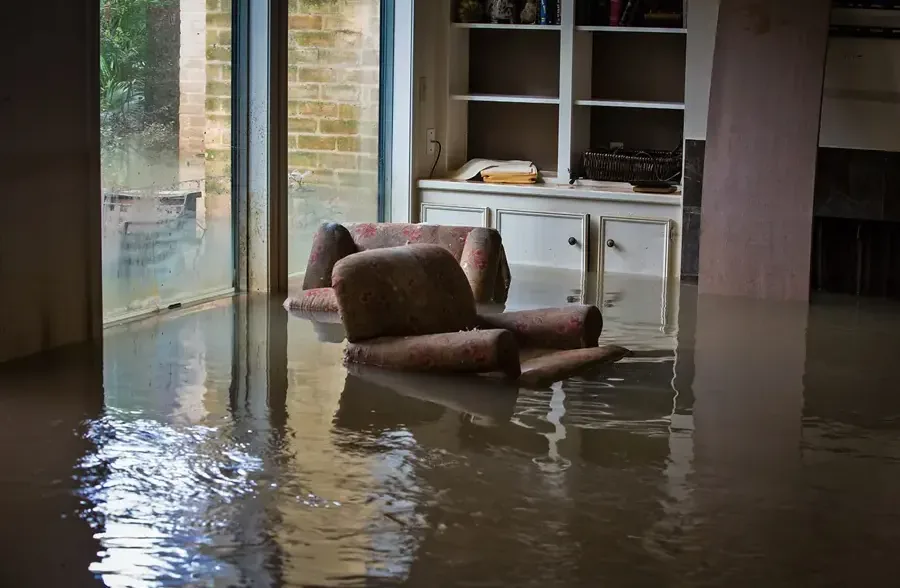
River and creek water that gets inside is Category 3 from the first minute. The extraction crew pumps it out, the porous materials it touched come out and the shell is dried and documented for the flood claim.
(888) 509-1696Skagit water in the house? Start the pump-out- Category 3 protocols
- Trash pumps and extraction
- Flood claim photo file
First steps for flood water cleanup
Wait for the all clear
Stay out until officials lift the order and the water has dropped.
Shut off power and gas
Have a pro check the panel and appliances before anything is switched on.
Photograph the high-water mark
Shoot every wall and the contents before cleanup starts.
Keep out of the water
Floodwater is contaminated; wear boots and gloves even on a quick look.
The standard behind flood water cleanup
Rapid local response
Dispatch runs 24/7, and an active leak, flood or backup is treated as urgent on nights, weekends and holidays.
IICRC S500 drying standard
The drying team maps moisture first, sizes air movers and LGR dehumidifiers to the load and keeps them running until the readings say dry.
Claim-ready documentation
Timestamped photos, the moisture map and daily drying logs go into one file an adjuster can follow.
Skagit Valley water know-how
Crawl spaces, river floodplain lowlands, damp winter air and hard freezes all change how water moves through a house here.
What does flood water cleanup cost in Mount Vernon, WA?
Flood water cleanup here typically runs $4,500 to $30,000 or more, depending on the depth of the water, how many rooms and how much of the crawl space it reached, and how long it sat before the pump-out.
A few inches in one or two rooms
$4,500 to $9,000- Pump-out and extraction
- Flood cut and carpet removal
- Antimicrobial and drying
Several rooms or a lower level
$9,000 to $18,000- Drywall and insulation removed
- Containment and HEPA air scrubbers
- Daily drying logs
Whole floor plus the crawl space
$18,000 to $30,000+- Crawl space insulation and barrier out
- Contents removal and inventory
- Long dry-out of framing
Ranges are typical, not a quote. Water category, square footage, material class and how fast drying started move the number most. The water damage cost calculator gives a planning range.
How flood water cleanup is handled, step by step
- 1
Pump and extract
Trash pumps and truck-mounted extraction pull the water and silt out first.
- 2
Remove and bag
Contaminated porous materials come out above the high-water mark.
- 3
Clean and treat
Surfaces are scrubbed and treated with an EPA-registered antimicrobial.
- 4
Dry and verify
LGR and desiccant drying until framing and concrete reach the goal.
Floodwater from the Skagit River, Kulshan Creek or a flooded street is not clean water that happens to be in the wrong place. It carries silt, bacteria, fuel and field runoff, and the IICRC S500 standard treats it as Category 3 the moment it crosses the threshold. That single fact sets the whole job: what stays, what goes and how the house gets dried.
What gets removed after a river flood
Porous materials that soaked up floodwater cannot be cleaned back to safe. The mitigation team cuts drywall above the high-water mark, pulls carpet, pad and insulation, and bags it all for disposal. Solid wood framing, tile and concrete stay, get scrubbed and get an EPA-registered antimicrobial at its full dwell time.
- Drywall and insulation cut out at least a foot above the high-water mark
- Carpet, pad and upholstered furniture removed and photographed for the claim
- Crawl space vapor barrier and insulation pulled if water reached under the floor
- Silt shoveled and washed out before drying equipment goes in
Drying a flooded house in a wet season
Floods here arrive in the wet months, when the outside air is cool and damp. The drying team closes the house up, runs LGR dehumidifiers and air movers sized to the evaporation load, and adds desiccant units for dense materials like plaster and old-growth framing. Readings are logged daily until the wood and concrete reach the drying goal.
Before anyone goes back in, check the river stage with the USGS Skagit River gauge near Mount Vernon and follow evacuation and re-entry orders. The Ready.gov flood page covers power, gas and safety steps for the first visit back.
Flood claims and documentation
River and surface flooding is usually covered by a separate flood policy, not by a standard homeowners policy. Flood adjusters expect timestamped photos of the high-water mark, an itemized list of removed materials, moisture maps and daily drying logs. The response team builds that file as the work happens. If water came from inside the house at the same time, such as a backed-up floor drain, see sewage backup cleanup.
Flood water cleanup across Mount Vernon and nearby towns
Drying crews cover ZIP 98273 and 98274, from Downtown and the west side river flats to Hillcrest, the Kulshan Creek and Maddox Creek neighborhoods, Little Mountain, Eaglemont and Skagit Highlands.
Coverage also reaches Burlington, Sedro-Woolley, La Conner, Conway, Big Lake, Bay View, Anacortes, Stanwood and Oak Harbor.
Related water damage services
Flood Water Cleanup questions, answered
Is flood damage covered by homeowners insurance?
Usually not. River and surface flooding is normally covered by a separate flood policy, while sudden water from inside the house, like a burst pipe, falls under homeowners coverage. Check with your own insurer.
How soon after a flood should cleanup start?
As soon as officials allow re-entry and the power is safe. Mold can start growing in 24 to 48 hours, and floodwater keeps wicking up drywall the longer it sits.
Can drywall that got flooded be saved?
No. Drywall and insulation touched by Category 3 floodwater are removed above the high-water mark, then the framing behind them is cleaned and dried.
Do floors have to come up after a flood?
Carpet and pad always go. Hardwood that soaked in floodwater usually goes too. Tile and concrete can stay once they are cleaned, treated and dried.
How long does it take to dry a flooded house?
Usually five to ten days of drying after the removal work, longer when the crawl space or plaster walls got wet. Readings decide when equipment comes out.
What happens to the crawl space after a flood?
Standing water is pumped out, the vapor barrier and insulation come out, and the joists and subfloor are cleaned, treated and dried from below.
River water in the house? Call now for emergency water removal.
Floodwater keeps soaking into drywall, insulation and framing while it sits. The extraction crew pumps it out and the drying team dries the shell to a measured goal.