Stanwood Water Damage Restoration
Stillaguamish River floods, winter storms and the occasional broken pipe all send water into Stanwood homes. Crews extract standing water, open wet walls and floors, and run drying equipment with daily readings until the structure meets the dry standard.
(888) 509-1696Book a moisture assessment- Around-the-clock dispatch
- Stillaguamish flood response
- Daily psychrometric readings
Every kind of water loss, handled
Each service below covers a different source of water, from river flooding to a split supply hose, and each has its own page.
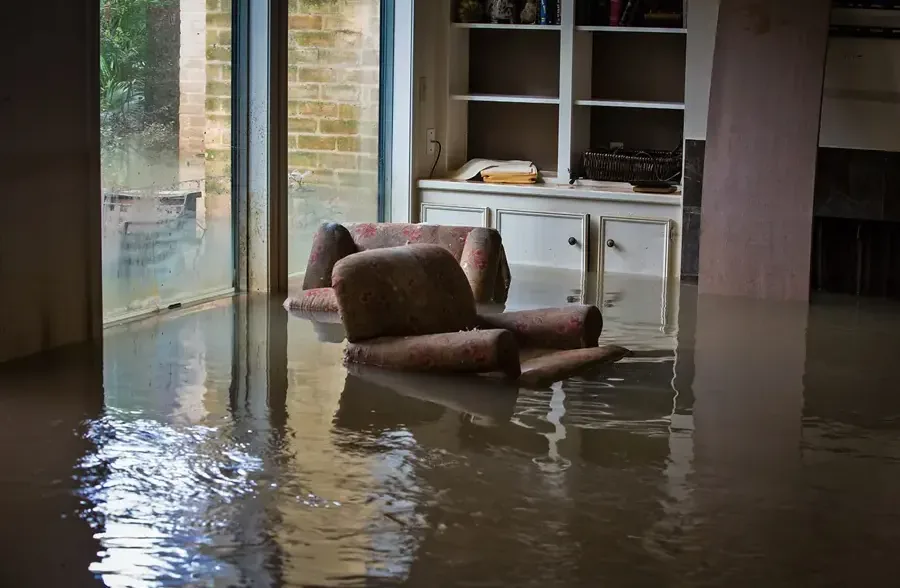 River water treated as Category 3Flood Water CleanupRiver and storm water inside the house, treated as contaminated, extracted and dried out.See how it is handled
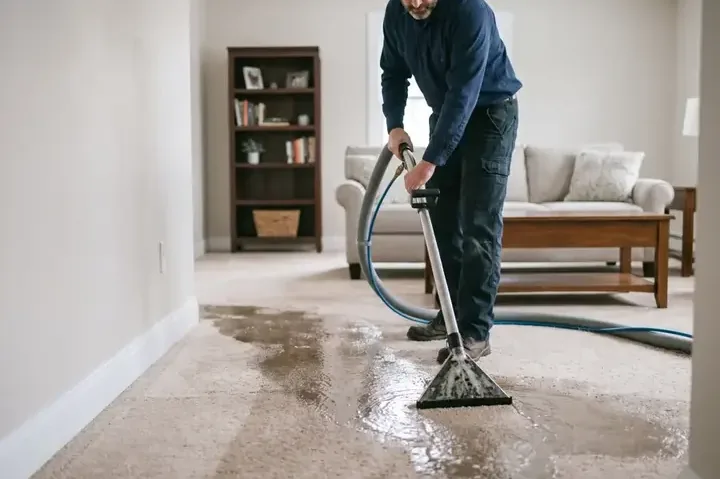 Standing water out firstWater Extraction and RemovalTruck-mounted extraction pulls standing water from carpet, pad and hard floors early.See how it is handled
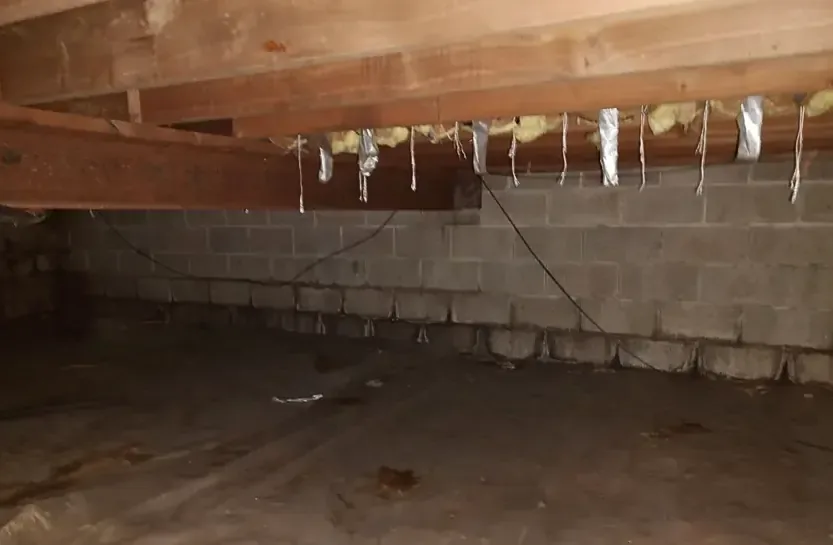
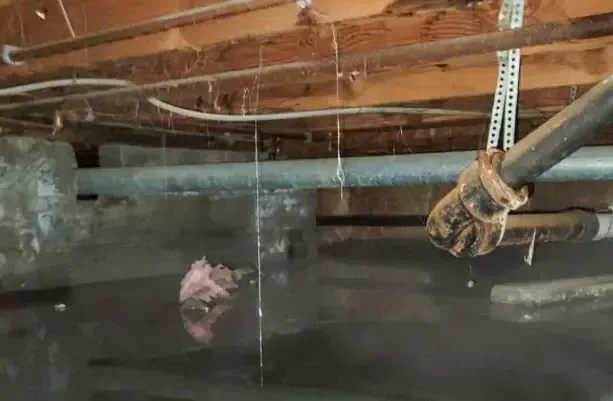 Crawl Space Water RemovalStanding water under a raised floor pumped out, wet insulation pulled and the joists dried.Details
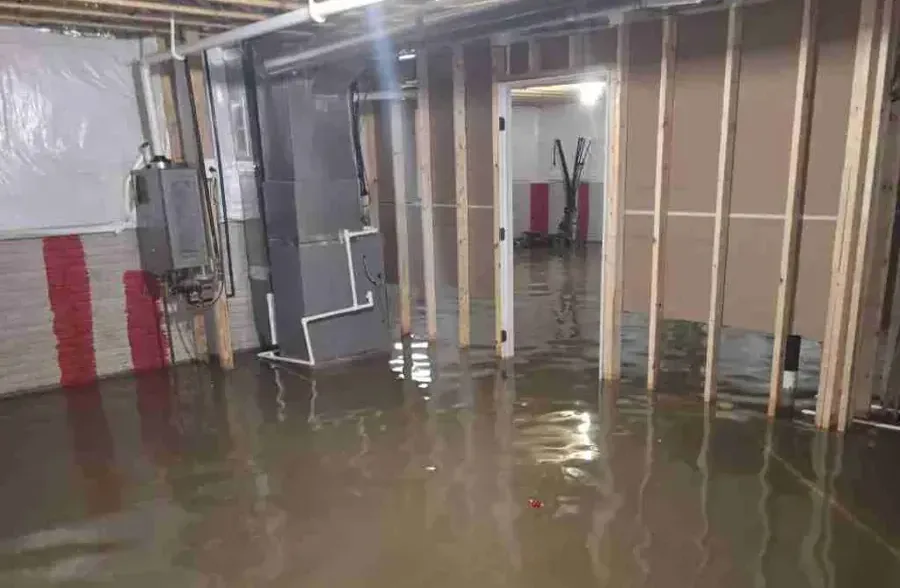 Basement Flooding CleanupSeepage and drain backup in a lower level extracted, opened where wet and dried.Details
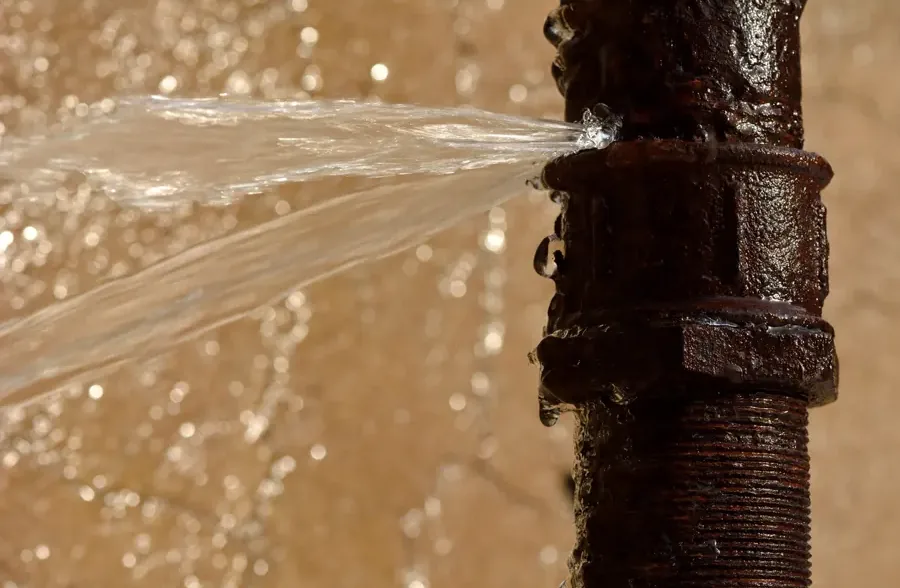 Burst Pipe Water DamageSplit supply pipes inside walls and ceilings shut off, extracted and dried in the cavity.Details
 Frozen Pipe Water DamagePipes that split in a hard freeze and leak at the thaw, traced and dried.Details
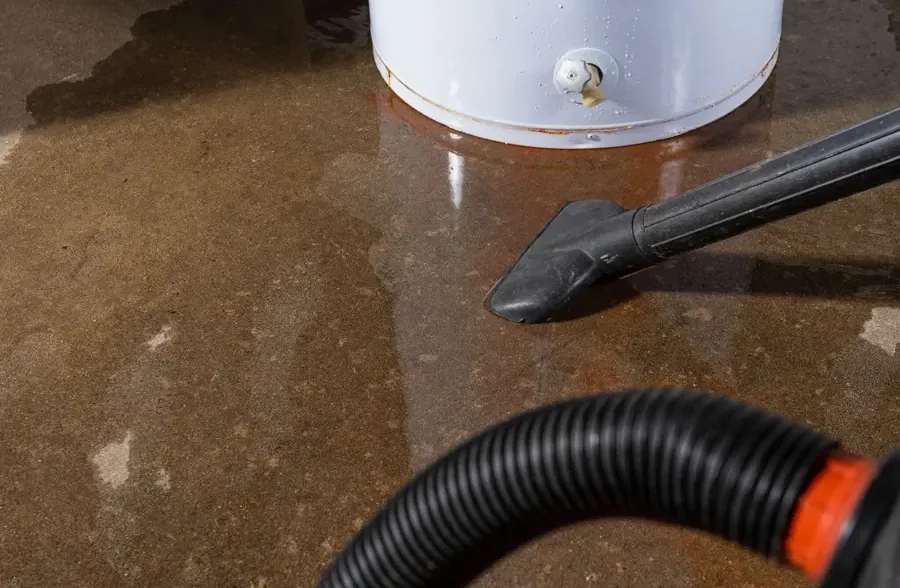 Water Heater Leak CleanupGarage, closet and utility room tanks that let go, cleaned up before the subfloor soaks.Details
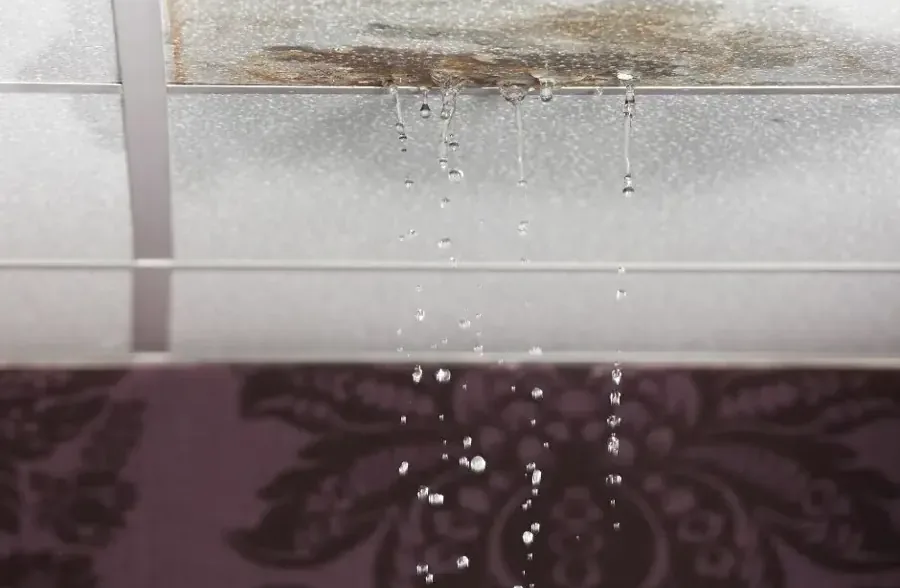 Roof Leak Water DamageStorm-driven rain through flashing or shingles, wet attic insulation removed and ceilings dried.Details
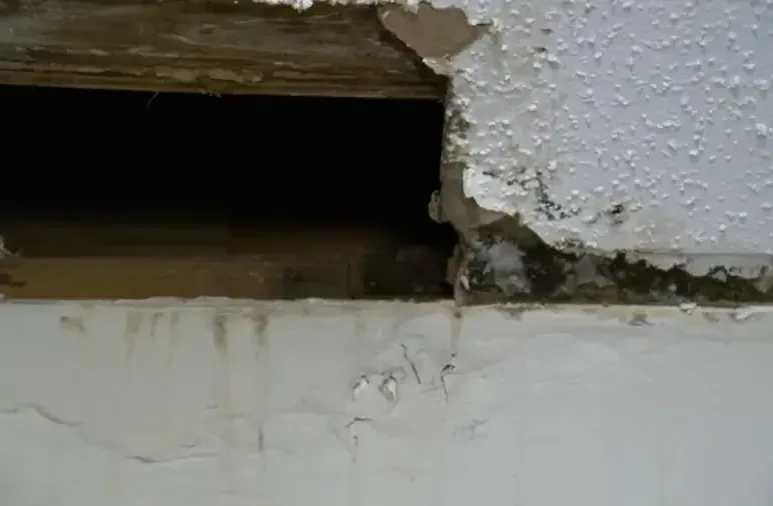 Ceiling Leak Water DamageA leak from above traced, the wet ceiling opened safely and the joist bays dried.Details
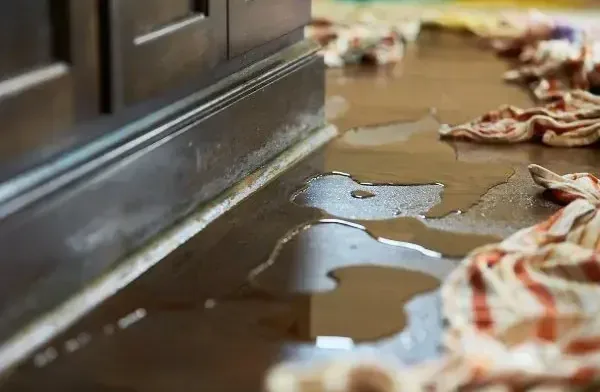 Appliance and Supply Hose LeaksWasher hoses, dishwasher fittings and fridge tubing that leak under floors and cabinets.Details
 Sewage Backup CleanupToilet, floor drain and cleanout backups handled with containment, removal and antimicrobial.Details
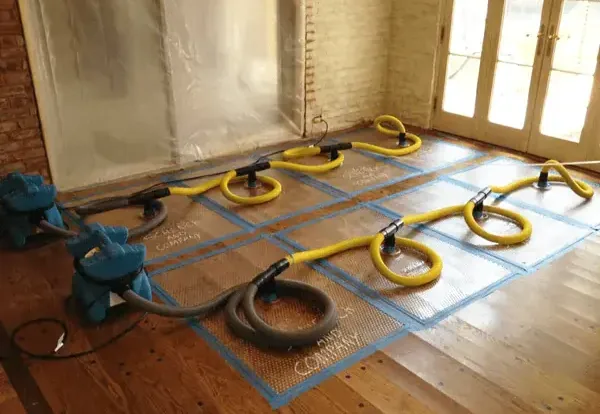 Structural Drying and DehumidificationFraming, subfloor and plaster dried to a measured target with logged readings.Details
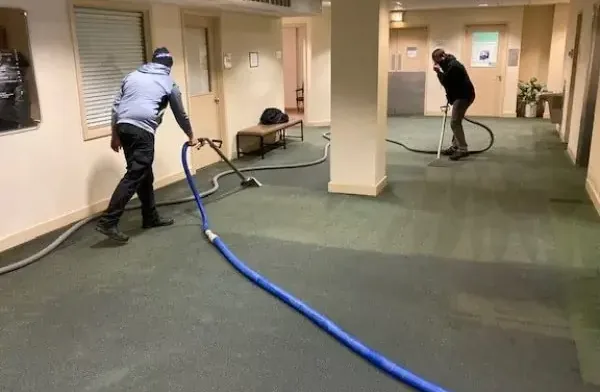 Commercial Water DamageShops, offices and clinics dried in phases so the doors can stay open.Details
Early December 2023 brought historic flooding
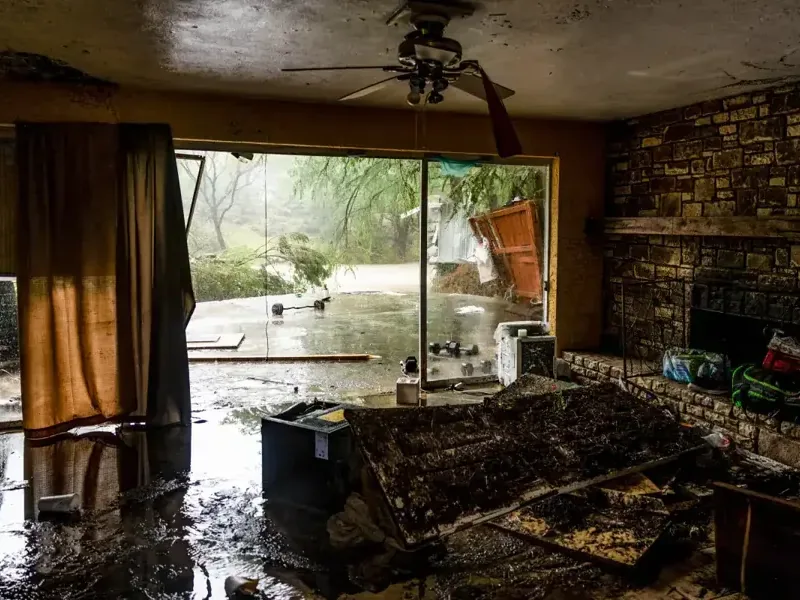
Historic flooding hit the city in early December 2023, closing many local roads and affecting homes and businesses. The Stillaguamish River is prone to flash flooding, so water can rise where and when no one expects.
- Standing water above the baseboards or in a lower room
- Muddy or silty residue left on floors and walls
- Swollen trim, cupped flooring and lifting carpet pad
- A musty smell that lingers after the water drops
Four stages from standing water to a dry structure
The method follows the IICRC S500 standard for water damage restoration, with each stage logged for the adjuster.
Assess and map
The crew finds the source, photographs the damage and takes moisture readings in every affected room before anything is moved or removed.
Water out first
Truck-mounted units and wands remove standing water and wet pad, then drying equipment is set in place.
Open and remove
Wet drywall, insulation and flooring that cannot dry are cut out, with Category 3 materials contained and bagged separately.
Dry and verify
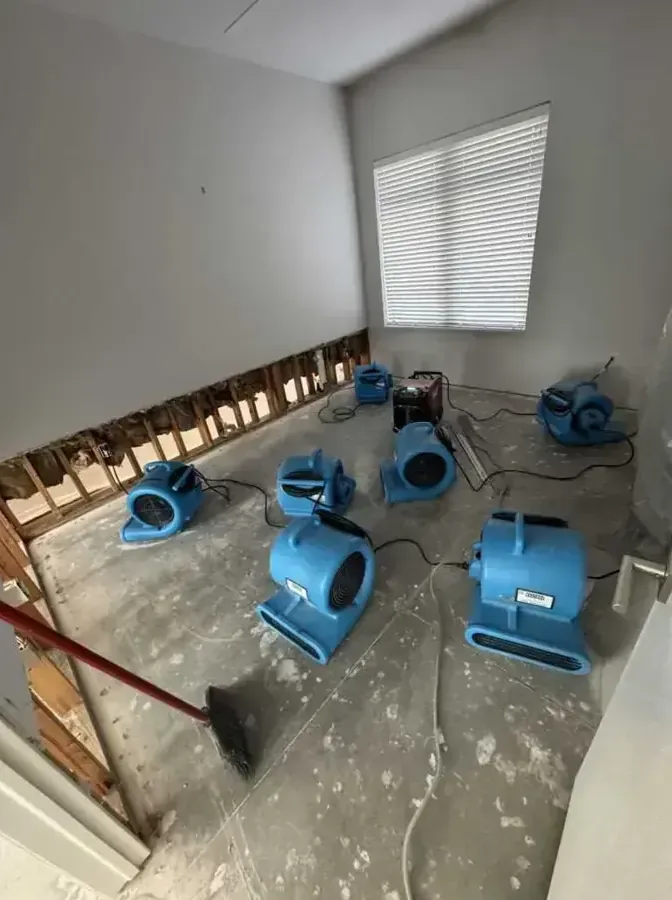
Air movers and dehumidifiers run while readings are logged each day, until the framing and subfloor match a dry reference.
- IICRC S500 method
- Truck-mounted extraction
- Daily moisture logs
- Claim-ready photos
What water damage restoration usually costs here
Costs depend on the water category, how many rooms are wet and how long the structure takes to dry. Small caught-early leaks sit near the low end, and flooded lower levels reach the high end of the ranges shown here.
A small leak caught fast
$1,500 to $3,000- Extraction and cavity drying
- Baseboard removed for cavity access
- Daily moisture readings logged for the file
Ceiling and the room below
$3,000 to $6,000- Wet ceiling drywall cut out
- Soaked insulation pulled and bagged
- Joist bays dried from both sides
A flooded lower level
$9,000 to $18,000- Category 3 containment in place
- Drywall and insulation removed
- HEPA air scrubbers and daily drying logs
Ranges are typical for jobs of that scope and shift with the loss. A written scope from the assessment sets the real figure for the claim.
Clean, gray and black water are handled differently
The IICRC sorts water by contamination. Category 1 starts clean, Category 2 carries some contamination and Category 3 is grossly contaminated.
Category 1: clean supply water
A split supply pipe or tank leak starts clean, but it degrades fast once it soaks into drywall and flooring.
Burst pipe water damageCategory 2: gray water
A washer hose or dishwasher leak carries some contamination, so soaked pad and baseboards are usually removed rather than dried.
Appliance leak cleanupCategory 3: black water
River flood water and sewage are grossly contaminated, so porous materials come out and the area is contained before drying starts.
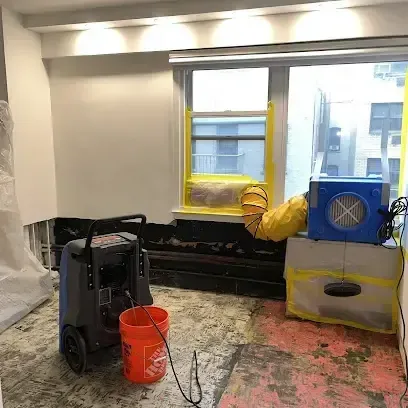
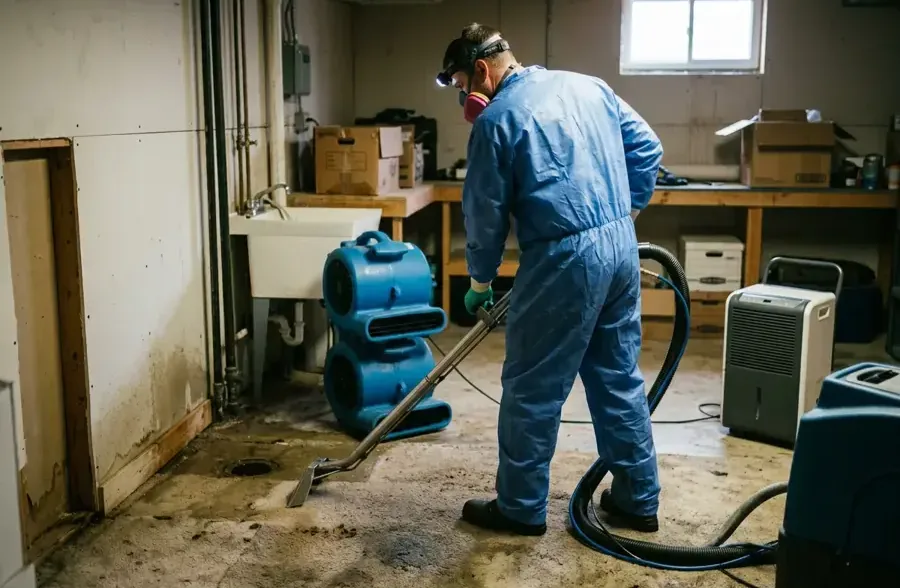
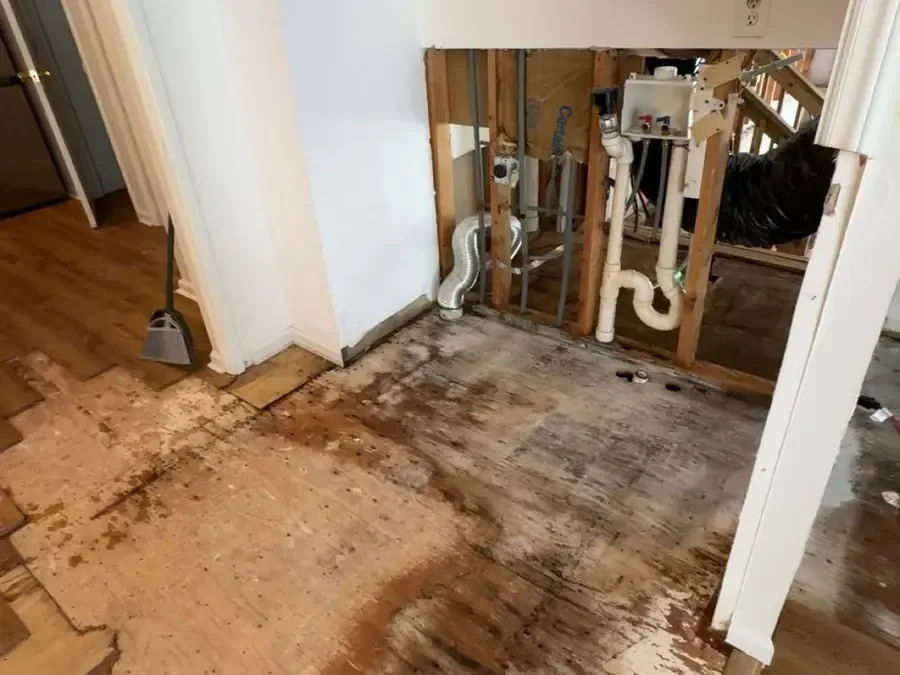
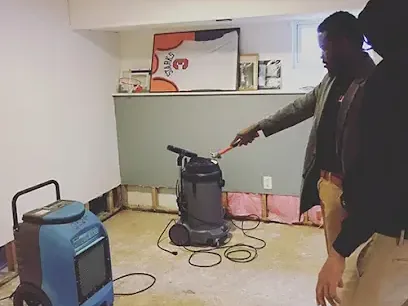
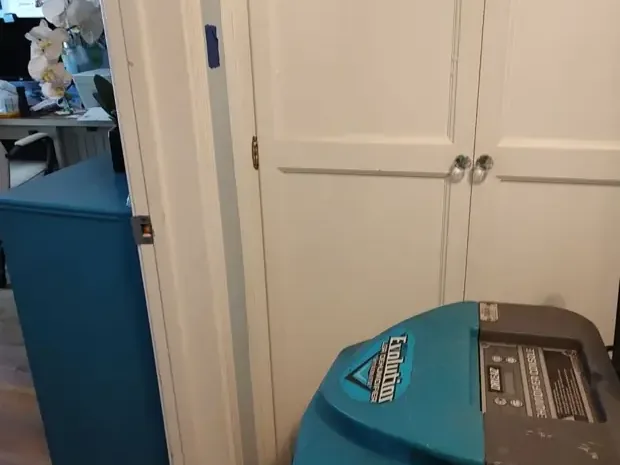
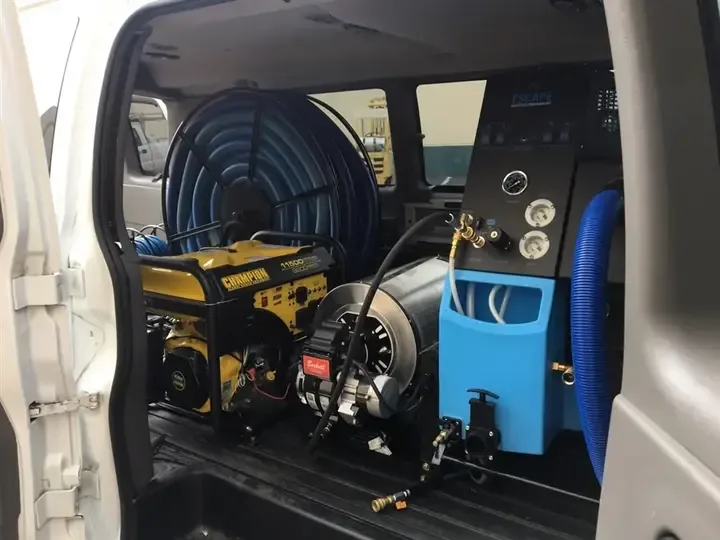
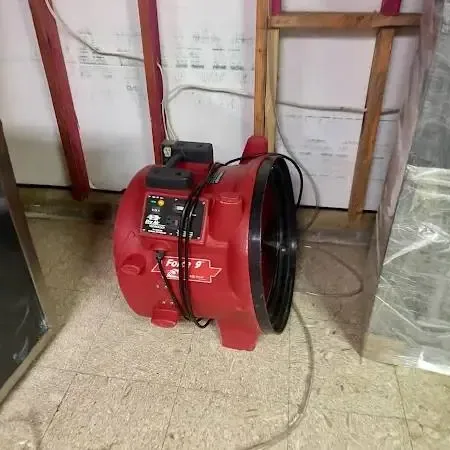
Sewage backup cleanupDrying equipment and cleanup scenes from water jobs
Photos show common equipment and conditions seen on water damage jobs.
Documentation the adjuster can use
Claims turn on the source and timeline of the water, so every step is photographed and recorded from the first visit.
- Photos of the damage before anything moves
- Moisture readings noted by room and date
- A written scope listing each item removed
- Daily psychrometric logs for the dry-out
- A contents list for anything moved or discarded
Final coverage decisions belong to the insurer. The record is kept so the adjuster can see what was wet, what was removed, what was dried in place and why.
Built for river flooding and wet winters
Rapid local response
Crews are dispatched around the clock because floodwater, burst pipes and sewage backups do not wait for business hours or weekends.
Water only focus
The work centers on water and sewage losses, so the equipment, methods and paperwork are all built around them.
Claim-ready documentation
Photos, moisture maps and daily logs are collected as the job runs, so the adjuster receives a complete file.
River flood know-how
Flooding from the Stillaguamish River is treated as Category 3 by default, with porous materials removed and the shell dried to standard.
What to do while waiting for the crew
- Stay out of standing water until the power to that area is confirmed off.
- Shut off the water at the main if a pipe or hose is the source.
- Photograph the high water mark on the walls and every damaged item before moving anything.
- Lift small valuables, rugs and electronics onto dry surfaces if it is safe.
- Avoid contact with river or sewage water, and keep children and pets out of the affected rooms.
Serving homes and businesses across the city
Crews work across the city and nearby communities, including Cedarhome, Silvana, Norman and Florence.
ZIP code covered
Crews working in ZIP code 98292 handle homes and businesses from the waterfront and Market Street to the hill area.
The waterfront district
- Stillaguamish River waterfront
- Market Street
- Train station area
Older neighborhoods
- East Stanwood
- West Stanwood
- Pioneer Highway
Cedarhome and beyond
- Cedarhome Drive
- Park Drive
- Silvana
- Norman
- Florence Road
Water damage crews dispatched day and night
A crew is assigned once the source of the water, the affected rooms and any safety hazards are known, and dispatch continues overnight and on weekends.
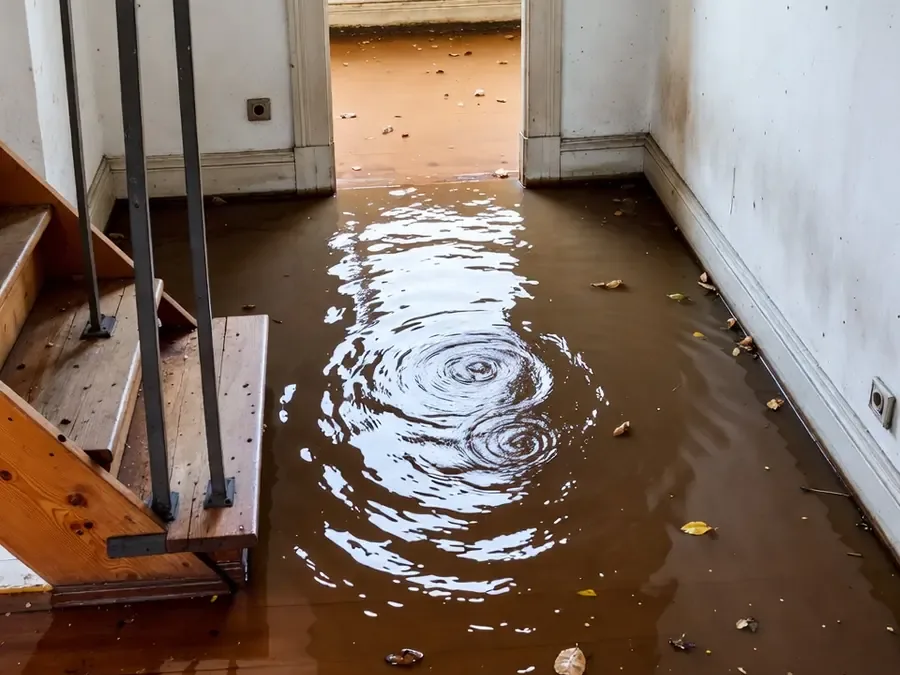
Flood zone, river and dike risks that shape local water damage
The city sits in the AE flood zone with a 13-foot base flood elevation, and winters have tested its river and dike defenses.
- Stillaguamish River: flash flooding is hard to predict, and a March 2026 crest at the Arlington gauge stopped just below moderate flood stage.
- Skagit Bay Dike: a king tide and wind in January 2026 eroded a vulnerable section of the century-old dike, and emergency repairs began July 30.
- Floodwalls: the city deployed the 84th Avenue NW floodwall in December 2025 and used its floodwall again as a precaution in March 2026.
- Sewer system: the city runs 8 lift stations, while the side sewer from each building to the main is the owner's to maintain.
- Wind: a December 2025 advisory forecast gusts of 55 to 65 mph and downed trees on saturated ground, which is hard on roofs.
Water damage questions answered
How quickly does water damage spread through a house?
Water wicks into drywall, baseboards and subfloors quickly, and swollen trim or a musty odor can appear within days. Extraction and drying equipment slow the spread, so waiting for the water to drop on its own usually adds cost.
What does the AE flood zone mean for a water loss?
Mapped as AE with a 13-foot base flood elevation, the city carries a recognized flood risk from the Stillaguamish River. Insurers often treat flood damage differently from other water losses, so the source of the water should be recorded carefully.
Is river flood water safe to clean up without a crew?
River flood water is Category 3, meaning it can carry sewage, soil and bacteria. Porous materials such as carpet, pad and insulation are removed, and protective gear, containment and antimicrobial treatment are part of flood water cleanup.
Who maintains a sewer pipe that backs up into a home?
The side sewer, the private pipe from the building to the public main, is the property owner's to maintain. The city maintains public mains in rights-of-way and utility easements. A crew handles sewage backup cleanup and documents it either way.
How long does structural drying usually take?
Duration of structural drying depends on the materials, how long they sat wet and the weather. Dense framing and hardwood dry slowly, and daily readings decide when the equipment leaves, not a calendar date or a guess.
Can storm wind cause a roof leak that reaches the ceiling?
Wind lifts shingles and flashing, and driven rain follows the gap into the attic, soaks insulation and shows up later as a ceiling stain. Saturated ground and downed trees add to the risk during winter storms.
Will insurance pay for water damage cleanup?
The insurer decides coverage, and sudden losses such as a burst pipe are treated differently from slow leaks. Photos, moisture readings and drying logs recorded from the first visit give the adjuster what the claim needs.
Can wet drywall and carpet always be saved?
Not always. Clean water caught early often allows drywall to dry in place, but Category 3 water and long-soaked pad mean removal. Meters and thermal images show what is still wet behind the surface.
Can a shop or office stay open during a dry-out?
Often, yes. Work is phased, wet areas are contained away from open space and noisy tasks can move after hours. Waterfront, Market Street and hill-area businesses each need a plan that fits their layout.
Who handles a leaking public water main?
Public mains belong to the city's Water Division, which has been replacing the late 1940s Cedarhome Drive main. Water that has already entered a building, whatever the source, is handled by a restoration crew.
Get the drying started before the damage spreads
Standing water, wet walls and a damp smell all point to moisture still working inside the structure. A crew can assess the loss, start extraction and begin the paperwork the claim will need.