Basement Flooding Cleanup in Stanwood, WA
A basement takes on water from below and from the sides, through floor drains, window wells, seepage and sewer backups. The first job is pumping it out safely, then opening wet walls and drying the concrete, framing and anything stored against them.
(888) 509-1696Ask about basement water removal- Concrete extraction
- Flood cuts on finished walls
- Framing dried open
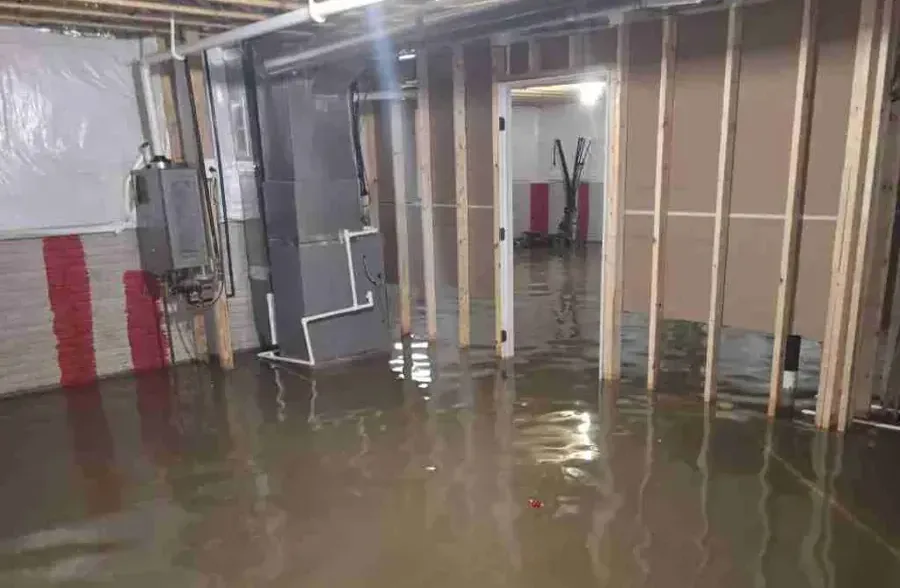
First steps for basement flooding cleanup
Check the stairs and power
Stay out until the panel and outlets in the basement are confirmed off.
Find the source
Shut off the supply if a pipe is leaking and note any backed-up drain.
Protect valuables
Move boxes, electronics and furniture up and away from the water if it is safe.
Take photos first
Photograph the water level and stored items before pumping begins.
The standard behind basement flooding cleanup
Rapid local response
Dispatch runs 24/7, and an active leak, flood or backup is treated as urgent on nights, weekends and holidays.
IICRC S500 drying standard
The drying team maps moisture first, sizes air movers and LGR dehumidifiers to the load and keeps them running until the readings say dry.
Claim-ready documentation
Timestamped photos, the moisture map and daily drying logs go into one file an adjuster can follow.
Skagit Valley water know-how
Crawl spaces, river floodplain lowlands, damp winter air and hard freezes all change how water moves through a house here.
What does basement flooding cleanup cost in Stanwood, WA?
Basement jobs depend on how finished the space is and what the water carried. Unfinished with clean water sits in the first range, finished with seepage in the second, and a drain or sewer backup in the third.
Unfinished, clean water
$2,500 to $5,000- Water pumped off concrete
- Dehumidifiers set up
- Wall and slab readings
Finished space, seepage
$5,000 to $10,000- Carpet pad and flood cuts
- Wet insulation bagged out
- Studs left open to dry
Drain or sewer backup
$8,000 to $15,000+- Category 3 containment
- Porous materials removed
- Antimicrobial on all surfaces
Ranges are typical, not a quote. Water category, square footage, material class and how fast drying started move the number most. The water damage cost calculator gives a planning range.
How basement flooding cleanup is handled, step by step
- 1
Make safe
Power is confirmed off and the source is found before any pump starts.
- 2
Pump
Water leaves the slab and low points first, then wands extract the floor.
- 3
Open
Wet carpet, pad, insulation and lower drywall come out and the studs are exposed.
- 4
Dry
Dehumidifiers and air movers run until slab and studs match the dry reference.
Where a home has a basement, water there is rarely just one problem. Concrete holds moisture long after the puddles are gone, finished walls hide wet insulation, and a stale smell can start while the surface still looks fine.
How water gets in
Heavy rain can push groundwater through the floor-wall joint, window wells overflow, floor drains back up and supply pipes burst. The city's AE flood zone designation, with a 13-foot base flood elevation, means river and storm water is also a known threat to low spaces.
The water source decides what happens next:
- Clean seepage or a supply leak can often be pumped and dried in place.
- Gray water from an appliance means soaked carpet and pad come up.
- A floor drain or sewer backup is Category 3 and needs containment.
- River flood water is also Category 3, with every porous material removed.
Opening walls and drying concrete
Stored boxes and furniture are lifted to dry ground first so the floor can be reached. On a finished wall, wet drywall and insulation are cut out along a flood cut above the moisture reading, leaving the studs open to air. Concrete is slow to release water, so dehumidifiers run until slab and wall readings settle, and the studs are measured before anything is rebuilt.
Why speed and records matter
A flooded lower level can turn musty within days, and the insurance file depends on what was recorded early. Photos, meter readings and a list of removed materials are kept with the water extraction and drying logs, and sewage backup cleanup rules apply when a drain is the source.
Basement flooding cleanup across Stanwood and nearby towns
Basement crews cover the whole city, including East Stanwood, West Stanwood, the waterfront, the Cedarhome area and Park Drive, plus nearby communities across ZIP code 98292.
The same service nearby: basement flooding cleanup in Mount Vernon, Oak Harbor, Burlington.
Related water damage services in Stanwood
Basement Flooding Cleanup questions, answered
Why does a basement smell after it dries?
Concrete and framing release moisture slowly, and any porous material left behind keeps the odor. Removing wet insulation and drying to readings is what clears it.
Can a finished basement be saved?
Often the framing and slab can, while carpet, pad and lower drywall cannot. Finished walls are opened along a flood cut so the cavities can dry from the inside.
Is a sump pump part of this work?
Pumps used for cleanup are temporary. A permanent sump or drain system is a plumbing or waterproofing matter handled by a separate contractor after the dry-out.
What if a floor drain backed up?
That is Category 3 water. The area is contained, porous materials are removed, surfaces are treated with antimicrobial and the claim notes the source.
Does the flood zone make basement flooding likely?
It signals mapped river and storm flood risk, but not whether a particular home will take on water. Drainage, grade and construction decide that.
Do stored belongings need to be thrown away?
Cardboard, fabric and anything porous that sat in contaminated water usually goes. Plastic and sealed items can be cleaned, and a list is kept for the claim.
Get the lower level pumped and drying
A crew can pump the space, open what is wet and start the readings that show the slab and framing are drying, with photos kept for the claim.