Flood Water Cleanup in Stanwood, WA
When the Stillaguamish River rises or a storm floods a lower level, the work starts with safe access, extraction and removal of what cannot be saved, then drying to a measured standard that the adjuster can verify.
(888) 509-1696Ask a crew to assess flood damage- Category 3 containment
- Flood cut and removal
- Daily drying logs
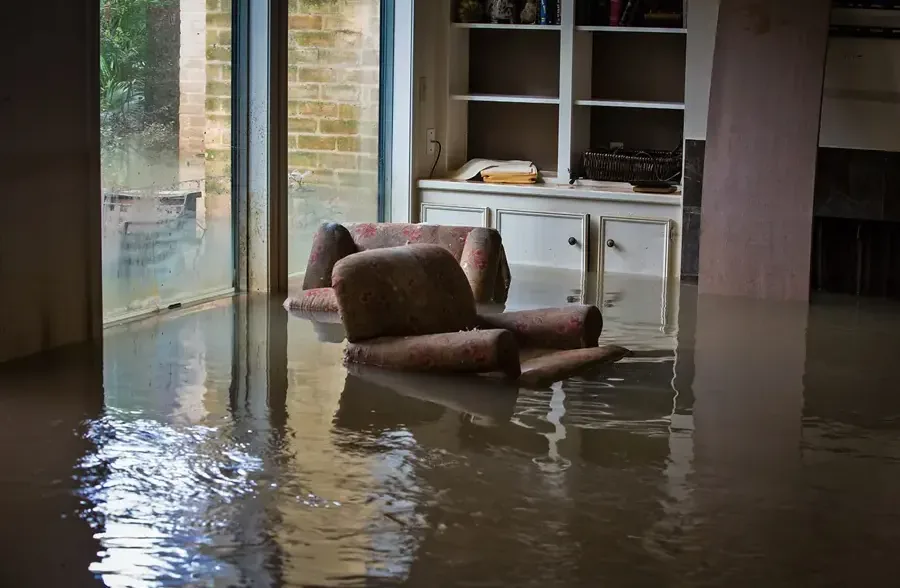
First steps for flood water cleanup
Stay out and stay safe
Keep out of the water until the power is off, and avoid contact with river or sewage water.
Photograph first
Record the high water mark and every damaged item before anything is moved.
Move what is dry
Lift small valuables, papers and electronics above the water if it is safe to do so.
Call for extraction
Standing water is pulled out before the drying equipment goes in.
The standard behind flood water cleanup
Rapid local response
Dispatch runs 24/7, and an active leak, flood or backup is treated as urgent on nights, weekends and holidays.
IICRC S500 drying standard
The drying team maps moisture first, sizes air movers and LGR dehumidifiers to the load and keeps them running until the readings say dry.
Claim-ready documentation
Timestamped photos, the moisture map and daily drying logs go into one file an adjuster can follow.
Skagit Valley water know-how
Crawl spaces, river floodplain lowlands, damp winter air and hard freezes all change how water moves through a house here.
What does flood water cleanup cost in Stanwood, WA?
Cost climbs with the depth of the water, the number of rooms and how much porous material has to come out. A few inches in one or two rooms sits in the first range below, and a whole floor plus the crawl space reaches the last.
Shallow water, one or two rooms
$4,500 to $9,000- Water pumped and extracted
- Wet carpet and pad hauled out
- Antimicrobial then drying
Several rooms or a lower level
$9,000 to $18,000- Soaked drywall and insulation cut out
- Containment with air scrubbers
- Daily psychrometric drying logs
Whole floor plus the crawl space
$18,000 to $30,000+- Crawl space insulation stripped out
- Contents boxed and inventoried
- Framing dried over a long run
Ranges are typical, not a quote. Water category, square footage, material class and how fast drying started move the number most. The water damage cost calculator gives a planning range.
How flood water cleanup is handled, step by step
- 1
Secure
Power is confirmed off, hazards are marked and the crew suits up for contaminated water.
- 2
Extract
Pumps and truck-mounted units pull the standing water out of every affected room.
- 3
Strip
Porous materials are cut out, bagged and removed, with the rest cleaned and treated.
- 4
Dry
Air movers and dehumidifiers run with daily readings until the structure reads dry.
In Stanwood, flood water inside a house is not the same as a plumbing leak. River and storm water arrives carrying silt, bacteria and whatever it crossed on the way, so everything it touched is treated as contaminated until the readings and the cleanup say otherwise.
Why flooding is a real risk here
Mapped as AE with a 13-foot base flood elevation, the city carries a standing flood risk, and Snohomish County emergency management calls the Stillaguamish River prone to flash flooding. Early December 2023 brought historic flooding that closed many local roads and affected homes and businesses.
Once the water recedes, the cleanup follows a fixed order, and skipping a step leaves moisture or contamination behind.
- Standing water is extracted with truck-mounted equipment before anything else moves.
- Carpet, pad, insulation and soaked drywall come out as Category 3 waste.
- Framing and concrete are cleaned and treated with antimicrobial.
- Structural drying with dehumidifiers and air movers continues until readings reach the dry target.
What the dike and floodwalls mean for homes
Flood defenses have been busy. The 84th Avenue NW floodwall was deployed in December 2025, the city deployed its floodwall again as a precaution in March 2026, and January 2026 storms damaged a vulnerable section of the Skagit Bay Dike. Repairs are under way, but a flooded house still needs the same response. That history is why prompt water extraction matters more than waiting to see how far the water goes.
How far the damage climbs
Flood water soaks the lowest materials first, then climbs by wicking into drywall, trim and insulation. Meters and thermal images map how high the moisture went, and the flood cut is made above that height so the wall cavity can be opened, cleaned and dried instead of sealed with moisture still inside. Insulation and pad soaked in Category 3 water are bagged and removed, not dried and reused.
Flood water cleanup across Stanwood and nearby towns
Flood crews work across the city, from the waterfront and Market Street to East Stanwood and the Cedarhome area, covering ZIP code 98292 and nearby communities.
The same service nearby: flood water cleanup in Mount Vernon, Oak Harbor, Burlington.
Related water damage services in Stanwood
Flood Water Cleanup questions, answered
Is flood water always Category 3?
River and storm flood water is treated as Category 3 because of what it carries. Clean supply leaks are a different category and a different scope.
Should the carpet be thrown out after a flood?
Carpet and pad that sat in flood water are almost always removed. Contaminated fibers cannot be cleaned reliably, and wet pad holds moisture against the subfloor.
How far up the wall does drywall come out?
A flood cut is made above the highest reading of moisture on a meter, so wet insulation behind the wall can be removed and the cavity dried.
Does the flood zone affect cleanup?
The AE designation matters most for insurance and rebuilding rules. The drying process follows the same S500 steps, with the water category setting the scope.
Can mold start after a flood?
It can start within a couple of days on wet drywall and framing. Fast extraction, removal of soaked materials and steady drying are the main defenses.
What happens to belongings after a flood?
Salvageable items are lifted out, listed and photographed. Porous contents that touched Category 3 water are usually discarded, and the list supports the claim.
Get the flood water out before it settles in
A crew can assess the loss, begin extraction and start recording moisture readings and photos for the claim, so the cleanup and the paperwork move together.