Flood Water Cleanup in Burlington, WA
Floodwater carries silt, debris and contamination into a home, so the first job is removing it safely. The crew pumps and extracts, strips what cannot be saved, and dries the rest to a measured goal.
(888) 509-1696Water across the floor? Get crews moving- Pump-out and flood cuts
- Contaminated-water handling
- Drying logs
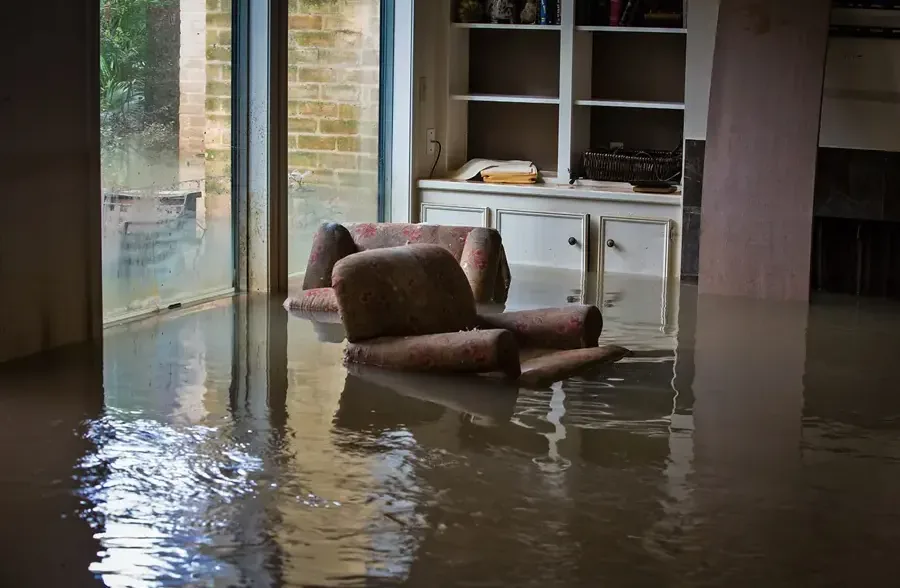
First steps for flood water cleanup
Stay out of the water
Floodwater can hide debris and carry a charge, so wait for the all clear.
Shut off the power
Switch off flooded circuits only if the panel is dry and reachable. Otherwise keep clear.
Photograph the damage
Take wide and close photos of wet walls, ruined contents and appliances before moving them.
Lift what is safe
Raise valuables, papers and electronics to dry surfaces, and leave soaked carpet for the crew.
The standard behind flood water cleanup
Rapid local response
Dispatch runs 24/7, and an active leak, flood or backup is treated as urgent on nights, weekends and holidays.
IICRC S500 drying standard
The drying team maps moisture first, sizes air movers and LGR dehumidifiers to the load and keeps them running until the readings say dry.
Claim-ready documentation
Timestamped photos, the moisture map and daily drying logs go into one file an adjuster can follow.
Skagit Valley water know-how
Crawl spaces, river floodplain lowlands, damp winter air and hard freezes all change how water moves through a house here.
What does flood water cleanup cost in Burlington, WA?
Flood cleanup usually runs $4,500 to $9,000 for a few inches in one or two rooms and $9,000 to $18,000 for several rooms or a lower level. Whole-floor losses reach $18,000 to $30,000+.
Shallow water, one or two rooms
$4,500 to $9,000- Water pumped off the floor
- Soaked carpet and pad removed
- Antimicrobial wipe-down and drying
Several rooms or a lower level
$9,000 to $18,000- Wet drywall and insulation cut
- Containment with air scrubbers
- Daily drying records
Whole floor and framing below
$18,000 to $30,000+- Under-floor insulation removed
- Contents cleared and listed
- Extended framing dry-out
Ranges are typical, not a quote. Water category, square footage, material class and how fast drying started move the number most. The water damage cost calculator gives a planning range.
How flood water cleanup is handled, step by step
- 1
Make it safe
Power is cut and the water type is judged.
- 2
Clear the water
Pumps and extractors take out standing water room by room.
- 3
Open it up
Soaked carpet, pad, drywall and insulation are cut out and bagged.
- 4
Dry and prove it
Equipment runs until daily readings reach the dry goal.
Floodwater is not rainwater. It comes in carrying silt, debris and whatever it crossed on the way, and it soaks into porous materials faster than most owners expect. In Burlington the risk is recent: on December 12, 2025, Gages Slough flooded into homes and the city ordered residents to evacuate.
Safety comes before the pump
Skagit County warned residents that floodwater can be contaminated, can hide debris and other hazards, and can be electrically charged by downed or underground power lines. The crew treats every flooded room as unsafe until the power is off and the water type is judged. Only then does the pump-out begin.
- Wet carpet and pad, which rarely survive floodwater
- Drywall and insulation below the wet mark
- Baseboards, trim and cabinet kick plates
- Soft contents that held floodwater and cannot be cleaned
Hard surfaces such as tile and sealed concrete are cleaned and kept when they can be, which keeps the claim smaller.
How the dry-out is judged
After the water and the wet materials are out, air movers and low-grain dehumidifiers go in. The drying goal comes from the IICRC S500 standard, and the crew compares daily moisture readings against that goal instead of guessing. Dry-looking drywall can still hold water behind the paint, which is why readings come before any rebuild decision.
- Moisture meters on framing, subfloor and drywall
- Thermal imaging to find hidden wet spots
- HEPA air scrubbers when demolition raises dust
- A written log the insurance adjuster can follow
Why the slough matters in Burlington
Gages Slough connects to the Skagit River, and the city is protected by a system of dikes under Skagit County Dike District #12. The slough still flooded homes on December 12, 2025, and Cascadia Daily News reported between 55 and 60 of them. Cleanup here starts with safety and extraction, then moves to drying. Related work such as water extraction and structural drying usually runs alongside it.
Flood water cleanup across Burlington and nearby towns
Flood crews work ZIP 98233 with the Gages Slough area in mind first, then Downtown along Fairhaven Avenue, Hill Vue Place, the hill to the north and the Skagit Country Club area.
The same service nearby: flood water cleanup in Mount Vernon, Sedro-Woolley, Anacortes.
Related water damage services in Burlington
Flood Water Cleanup questions, answered
Is floodwater handled differently from a pipe leak?
Yes. Floodwater is treated as contaminated, so porous materials it touched are removed instead of dried, and crews wear protective gear. Clean pipe water leaves more room to save materials.
Can the water sit until the river drops?
Waiting lets moisture climb into drywall, framing and flooring. Where it is safe to enter, extraction should begin as early as possible, because every extra day raises the scope.
Will homeowners insurance cover the cleanup?
Standard homeowners policies often exclude flood damage, while flood coverage is a separate policy. The crew documents readings and photos, and the owner's insurer decides coverage.
Which materials get thrown out after a flood?
Carpet, pad, insulation and drywall that sat in the water usually go. Sealed tile, concrete and some solid wood can be cleaned and dried, and the moisture readings help confirm it.
How long does the dry-out take after flood cuts?
Drying commonly takes three to five days once wet materials are out, longer for framing and dense floors. Daily readings, not the calendar, decide when the equipment comes out.
What comes first during an evacuation order?
Following the order. Skagit County issued go now evacuation orders for the river floodplain on December 10, 2025, and cleanup begins only when it is safe to return. Owners can call and send photos from wherever they are staying.
Flood in the house? Get it handled now
Floodwater soaks into walls and floors the longer it sits. A call starts the safety check, the pump-out plan and the readings the claim will need.