Water Damage Restoration Burlington, WA
24/7 water damage restoration in Burlington, WA, for slough and river floodwater, burst pipes and appliance leaks. The extraction crew removes the water, the drying team brings the structure back to the IICRC S500 drying goal and the claim file is built as the work happens.
(888) 509-1696Floodwater or a burst pipe? Start the dry-out- Around-the-clock dispatch
- IICRC S500 drying goal
- Daily psychrometric readings
Water Damage Restoration Services in Burlington, WA
Each service handles one kind of water loss, from slough water across a living room floor to a dishwasher fitting dripping under the cabinets.
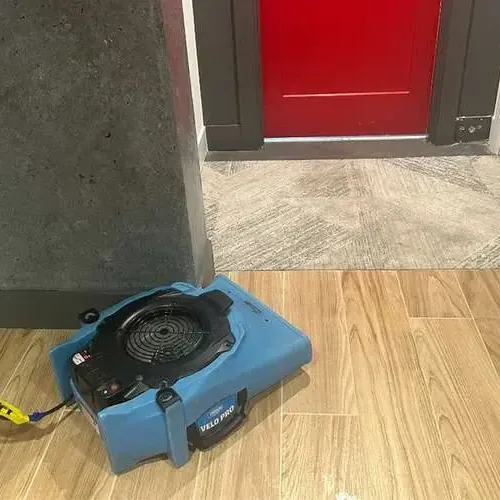
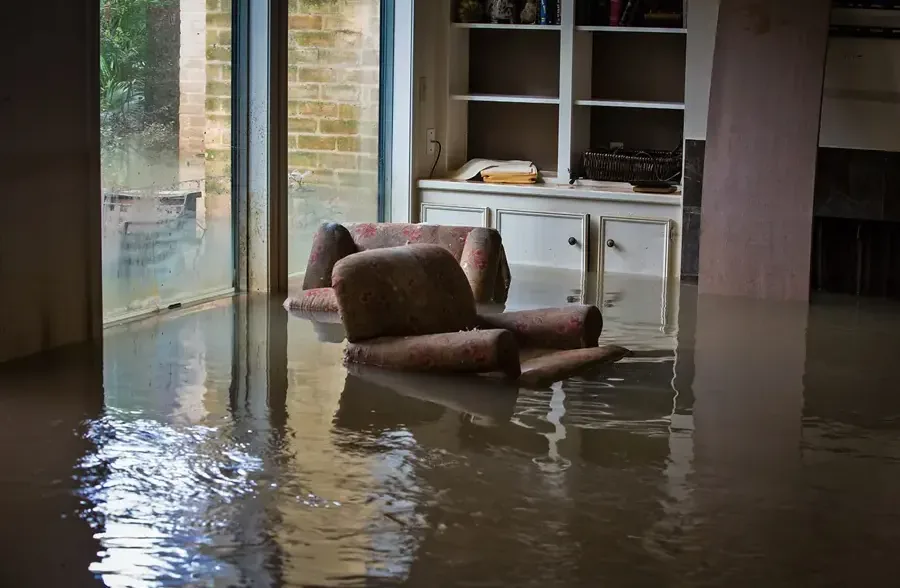 Gages Slough and the SkagitFlood Water CleanupSlough and river water inside the house, handled as black water, stripped out and dried.See how it is handled
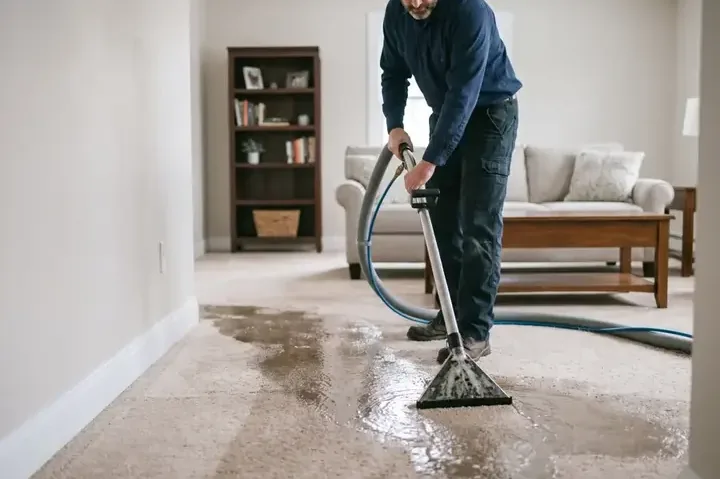 Standing water firstWater Extraction and RemovalPumps and truck-mounted wands clear standing water before it soaks deeper into floors.See how it is handled
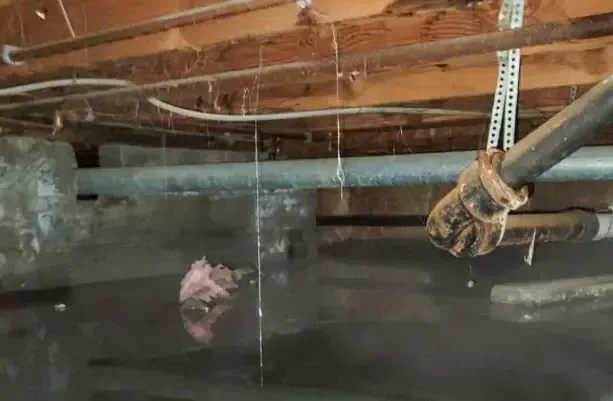 Crawl Space Water RemovalWater pooled below a raised floor pumped away, wet batts pulled, framing dried from underneath.Details
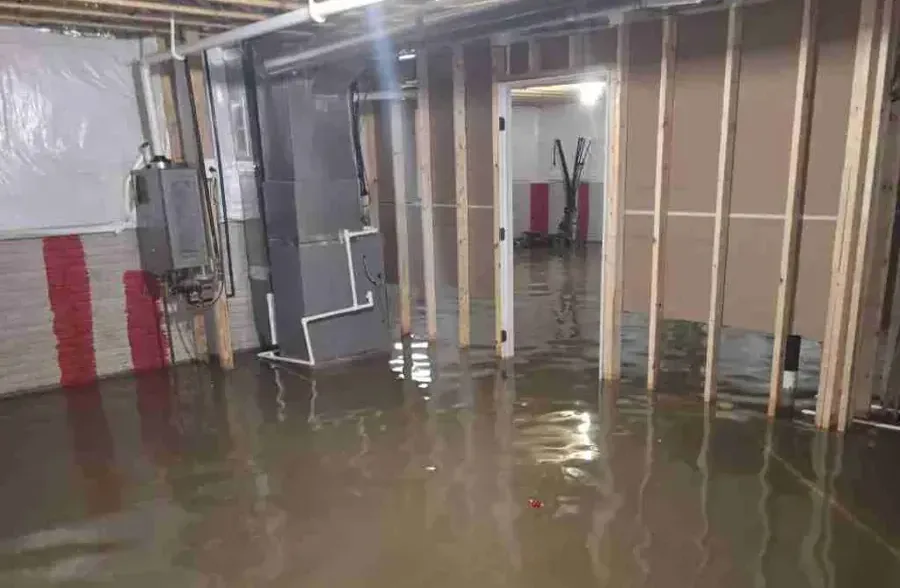 Basement Flooding CleanupWater through walls, window wells or a floor drain cleared from basements and dried.Details
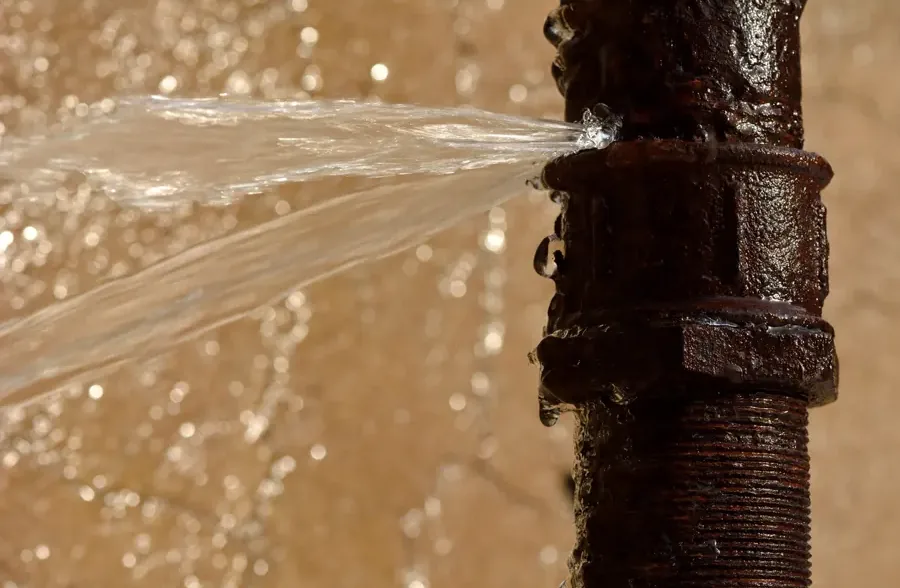 Burst Pipe Water DamageA failed supply pipe inside a wall or ceiling, with the wet cavity opened and dried.Details
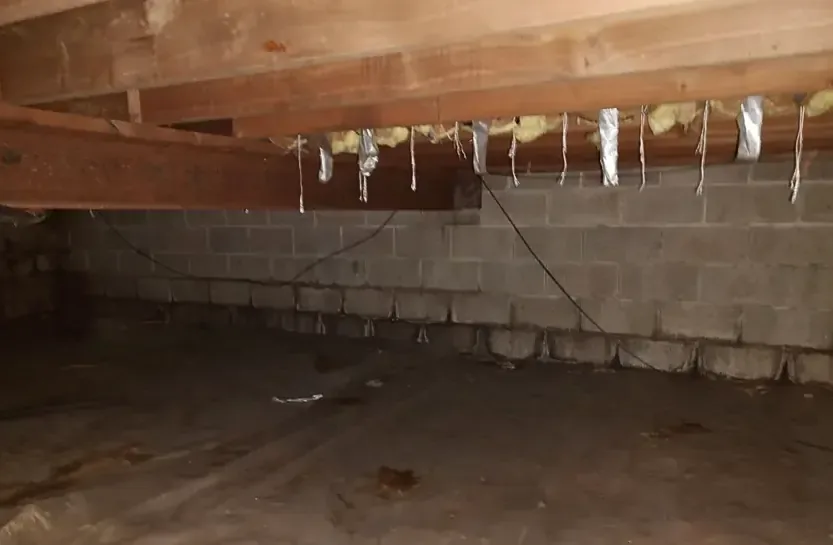 Frozen Pipe Water DamagePipes cracked by a hard freeze that begin leaking once the ice melts.Details
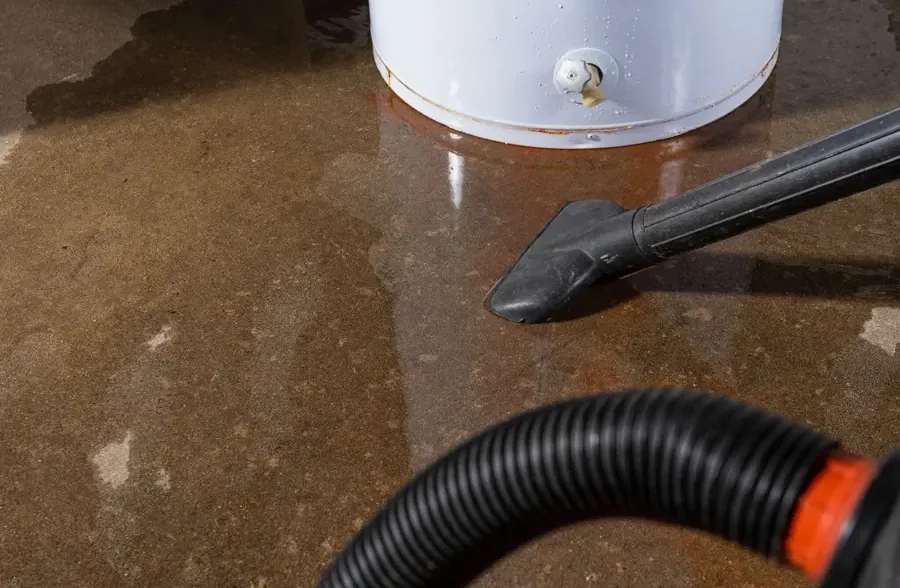 Water Heater Leak CleanupA tank or fitting that failed, mopped up before the floor and walls absorb it.Details
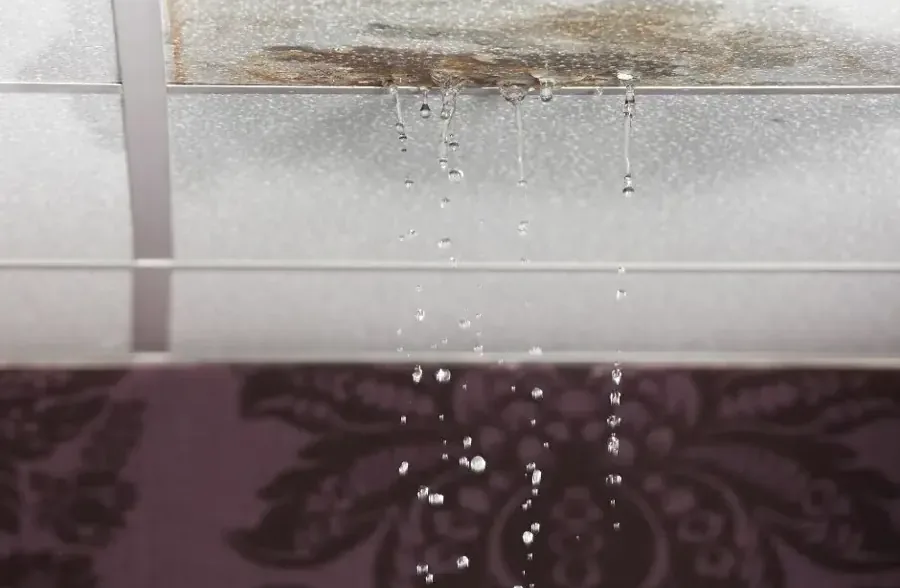 Roof Leak Water DamageRain driven past flashing or vents, soaked attic insulation removed, ceilings dried.Details
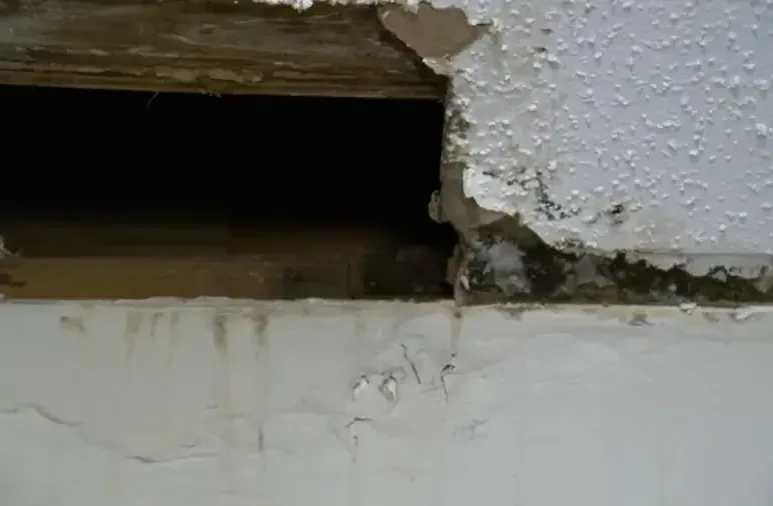 Ceiling Leak Water DamageA bath or pipe leak from the floor above traced, opened safely and dried.Details
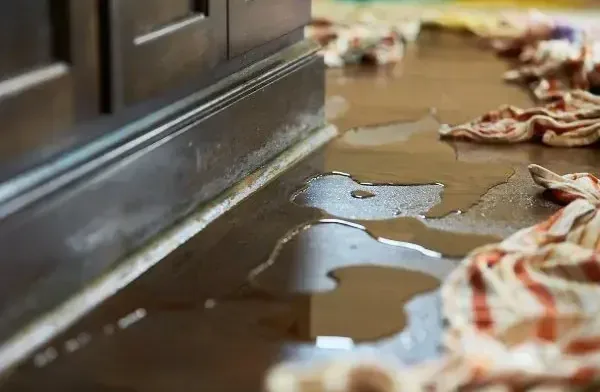 Appliance and Supply Hose LeaksWasher hoses, dishwasher fittings and fridge tubing that leak under cabinets and floors.Details
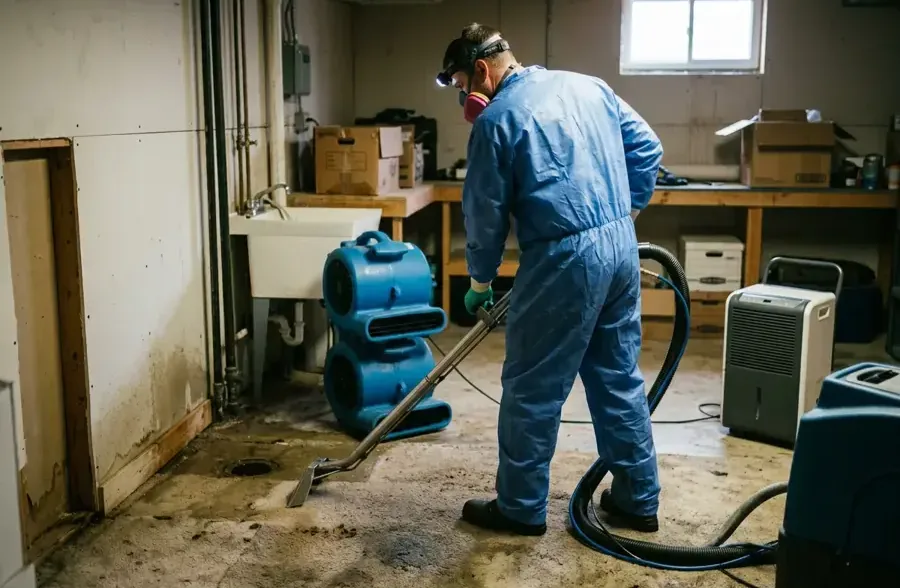 Sewage Backup CleanupToilet and drain backups contained and cleaned by crews in protective gear.Details
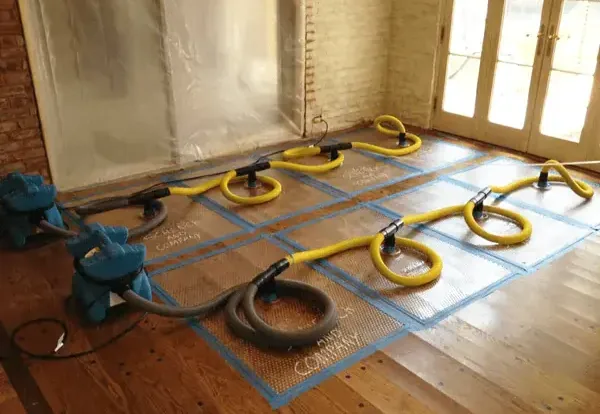 Structural Drying and DehumidificationStuds, subfloor and plaster dried until readings match a dry reference.Details
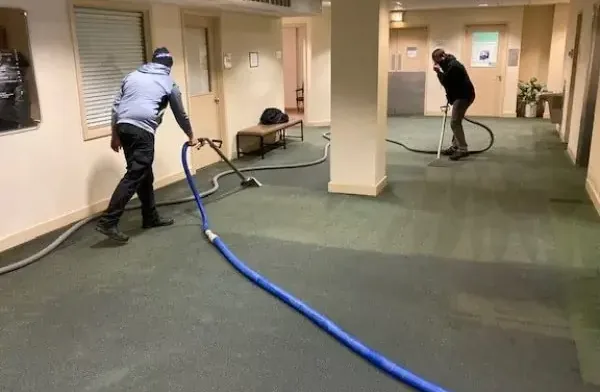 Commercial Water DamageShops, offices and warehouses dried in stages so work can carry on.Details
When Gages Slough came into homes
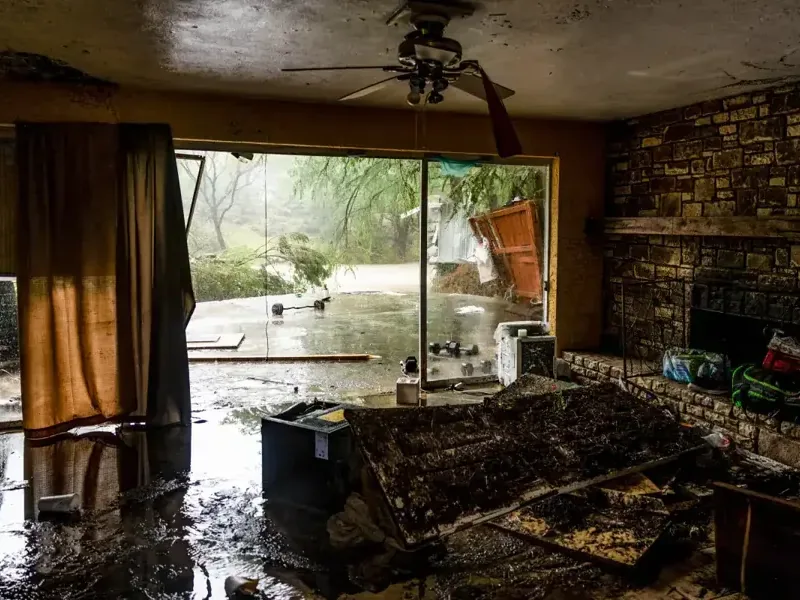
Early on December 12, 2025, Gages Slough flooded into Burlington homes. The city told all residents to evacuate at 6:00 a.m., and Cascadia Daily News reported that between 55 and 60 homes took on water.
- Silt lines on drywall, baseboards and cabinet bases
- Soaked insulation behind the lower walls
- Floors that stay damp or smell musty once closed up
- Outlets and appliances that sat in the water
Water damage dried to the IICRC S500 standard
The IICRC S500 standard measures a dry-out against a dry reference material, so the finish is a number, not a feeling.
Walkthrough and moisture map
The tech who does the walkthrough reads walls, floors and cabinets with pinless meters and thermal imaging before a single fan is placed.
Extraction first
Truck-mounted extraction pulls the standing water out, which leaves far less for the dehumidifiers to remove later.
Equipment sized to the load
Air movers and LGR dehumidifiers are matched to each room, with desiccant units for hardwood and other dense Class 4 materials.
Readings decide the finish
The drying team pulls equipment only after wet materials sit within 2 to 4 points of a dry reference in the same building.
- IICRC S500 drying goal
- Truck-mounted extraction
- Daily moisture logs
- Structural, not surface, drying
What does water damage restoration cost in Burlington, WA?
Most jobs here run $1,500 to $3,000 for a contained clean-water leak and $9,000 to $18,000 when slough or river water reaches several rooms. Water category, square footage, material class and how fast drying started set the number.
Clean-water leak, one room
$1,500 to $3,000- Supply pipe or appliance water
- Extraction and drying equipment
- Three to five days of readings
Several rooms or under the floor
$3,000 to $6,000- Baseboards and lower drywall removed
- Wet insulation pulled
- Daily logs for the adjuster
Slough, river or sewer water
$9,000 to $18,000- Category 3 containment
- Porous materials removed and bagged
- Antimicrobial and longer drying
Ranges are typical, not a quote. The water damage cost calculator gives a planning number before the walkthrough sets the real scope.
All water damage categories covered in Burlington, WA
Clean, gray and black water each get a different plan, and floodwater from the slough or the Skagit River counts as black water from the start.
Category 1, clean water
A burst supply pipe, a water heater or an ice maker tube. Dried quickly, most carpet, pad and drywall can stay in place.
Read about burst pipe water damageCategory 2, gray water
Washer or dishwasher discharge, or a toilet overflow with no waste. How long it sat decides whether pad and drywall are cleaned or replaced.
Read about appliance and hose leaksCategory 3, black water
Sewage and floodwater. Skagit County warns floodwater can be contaminated, so porous materials it touched are removed under containment.
Read about sewage backup cleanupWhat a water damage dry-out looks like in the Hub City
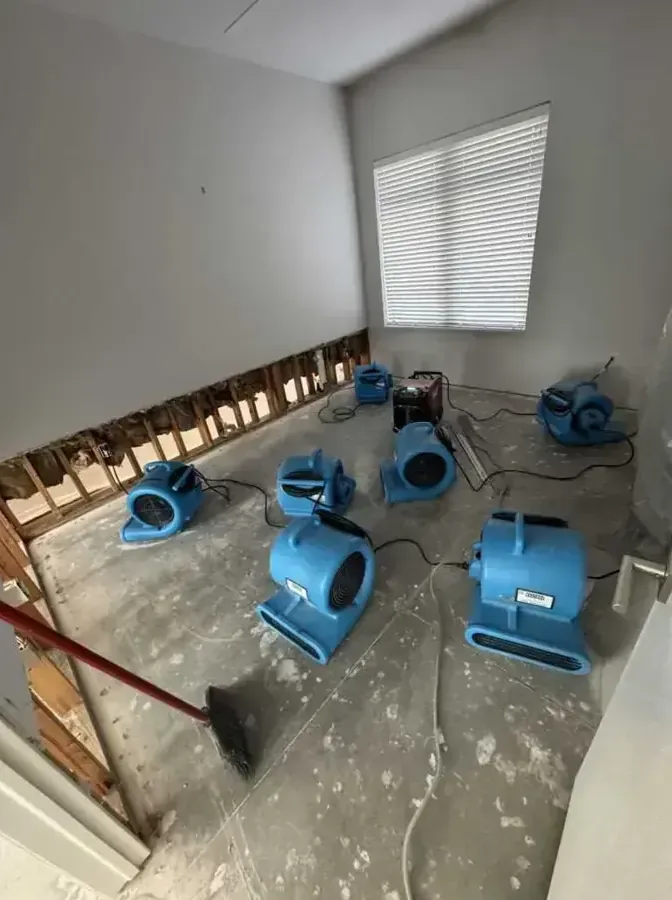
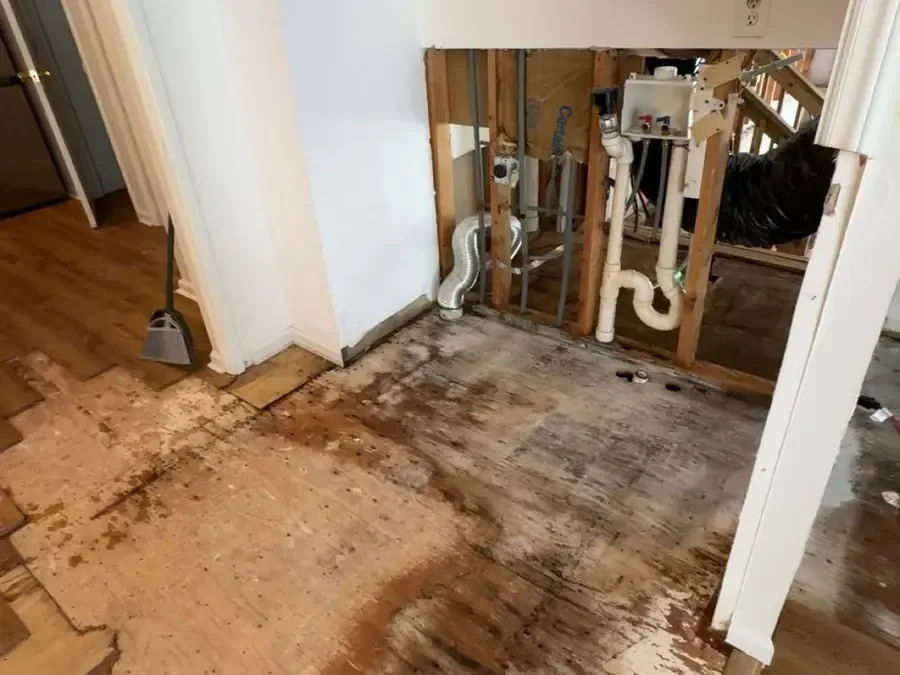
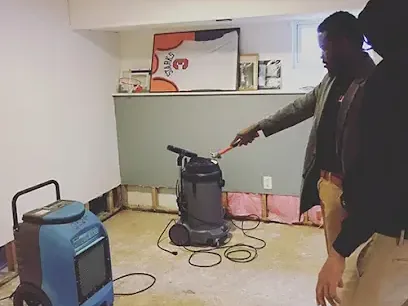
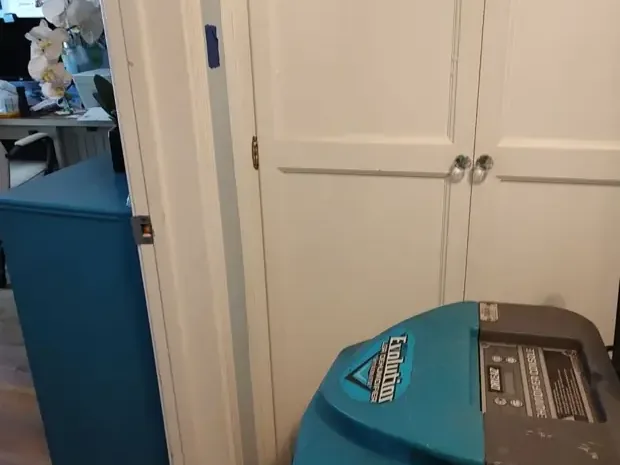
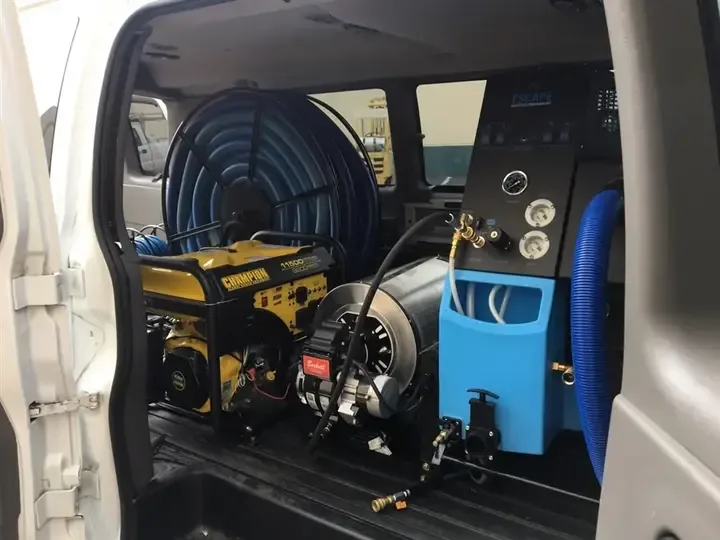
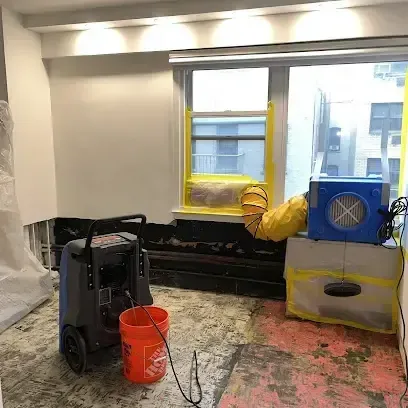
Representative photos of drying equipment, flood cuts and extraction gear.
Documentation for your insurance claim
Adjusters work from the file, so the mitigation team assembles it day by day while the equipment runs. It usually holds:
- Photos with timestamps taken before anything is removed
- A moisture map drawn on the first visit
- Psychrometric logs and moisture readings from every day
- The water category and class of loss
- An itemized scope written the way adjusters read it
Water from a burst pipe is usually treated differently from slough or river flooding, which needs a separate flood policy. Coverage depends on your policy, so check with your own insurer.
Why Hub City homeowners call a restoration pro first
Rapid local response
Dispatch runs 24/7 across the city and the rest of the Skagit Valley, and active water is treated as urgent, holidays included.
IICRC S500 drying standard
Drying is measured against a dry reference, and the equipment keeps running until the numbers match, not until the carpet feels dry.
Claim-ready documentation
Every photo, reading and removed material goes into one file, so the adjuster can follow the category, the class and the scope.
Skagit River know-how
Dikes, sloughs and a river with a long flood history change how water reaches a building in the Hub City.
What to do while the water is still moving
- Close the main shutoff valve, or the shutoff on the fixture that failed.
- Shut off breakers to wet rooms only if the panel is dry and easy to reach.
- Treat floodwater as dangerous: Skagit County warns it can be contaminated, hide debris and carry an electric charge.
- Photograph every wet room before moving furniture or pulling up rugs.
- Call early. Drying started in the first 24 to 48 hours saves more of the building.
Neighborhoods and ZIP code covered in Burlington, WA
Drying crews cover ZIP 98233, from the hill north of downtown to the business park and the interchange.
ZIP code covered
98233 covers the city, which sits north of Mount Vernon at the crossroads of I-5 and Highway 20.
Downtown and Fairhaven Avenue
- Downtown
- Fairhaven Avenue
- Pine Street
- Section Street
The north end
- Burlington Hill
- Hill Vue Place
- Josh Wilson Road
West side and the interchange
- Gages Slough area
- Skagit Country Club area
- Port of Skagit County Business Park
- Cascade Mall area
One call reaches Hub City water damage pros, 24/7
The response team asks where the water started and whether it came from the slough, a pipe or a drain, because that sets the equipment for the first visit.
Water damage in Burlington, WA: the local risk profile
The city sits on the Skagit River behind a system of dikes, and its water history comes down to the river and its sloughs.
- Dike protection: the city is protected by dikes under Skagit County Dike District #12, first incorporated in 1895.
- The floodplain: a 2023 Skagit County letter places the city in whole or in part within the 100-year floodplain of the Skagit River.
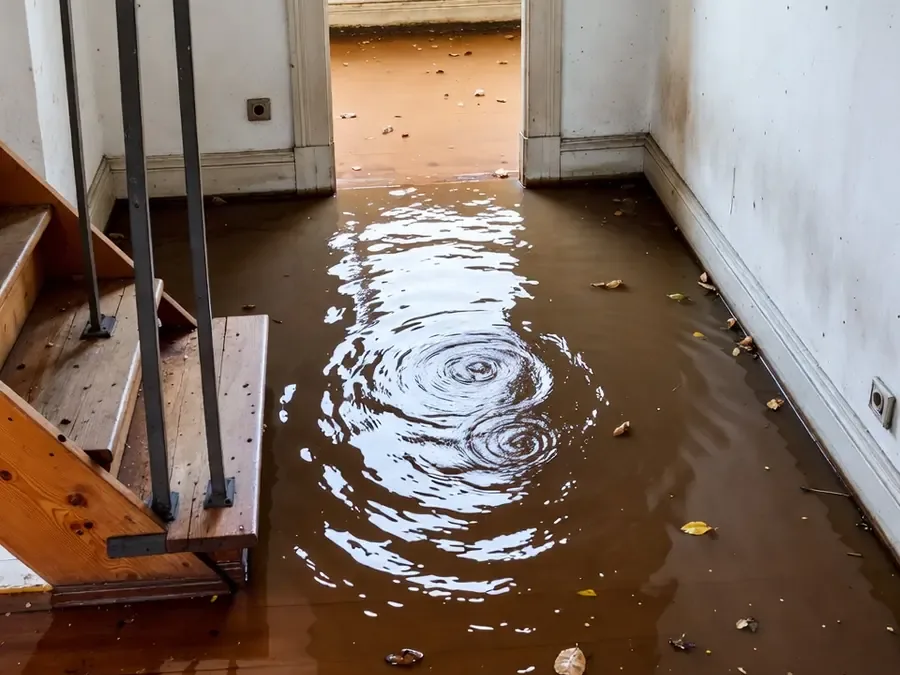
- December 12, 2025: Gages Slough flooded into homes, the city ordered all residents to evacuate at 6:00 a.m. and the National Guard went door to door.
- A long record: a 1909 newspaper article described a dike breaking upriver and floodwater inundating the town.
- Cold snaps: in January 2024 a freeze burst pipes across western Washington, a reminder that winter here brings more than rain and high water.
Water damage questions from local homeowners
How fast can a restoration crew start on water damage in Burlington?
Dispatch runs 24/7 and active water is treated as urgent. The first visit usually covers the basics: confirm the source is off, map the moisture and extract standing water inside the 24 to 48 hour window before swelling and mold growth begin.
Is slough or river flooding covered by homeowners insurance?
Usually not. Rising water from Gages Slough or the Skagit River normally falls under a separate flood policy, while a sudden burst pipe inside the home is often covered. See flood water cleanup for the work itself. Coverage depends on your policy, so check with your own insurer.
What happened here during the December 2025 flood?
Skagit County issued go now evacuation orders for the Skagit River floodplain on December 10, 2025. Early on December 12, Gages Slough flooded into homes, the city ordered all residents out at 6:00 a.m. and Cascadia Daily News reported 55 to 60 homes flooded.
Is floodwater safe to walk through during cleanup?
No. Skagit County warns that floodwater can be contaminated, can hide dangerous debris and can be electrically charged by damaged underground or downed power cables. Stay out until the power is off, and wear boots and gloves. Water that reached under the floor is covered under crawl space water removal.
Who provides drinking water in the city?
Skagit Public Utility District, known as Skagit PUD, supplies potable water to most areas, and the Judy Reservoir system serves Burlington, Mount Vernon and Sedro-Woolley from watershed streams and the Skagit River. For a leak inside the home, closing the main valve stops the water.
How long does it take to dry a house after water damage?
A contained Class 1 or 2 loss in drywall and carpet usually dries in three to five days. Hardwood, plaster and framing that sat in floodwater take longer, and equipment leaves when readings hit the drying goal, not on a fixed date. The drying time estimator shows typical ranges.
Does drywall have to be removed after a flood?
Drywall touched by Category 3 floodwater is cut out above the high-water mark, along with the insulation behind it. Drywall wet only by clean water and dried quickly can often stay.
What is the IICRC S500 standard?
It is the restoration industry's standard for water damage. It defines water categories and classes of loss, explains how drying equipment is sized and sets how dryness is confirmed against a dry reference material.
Does the city run its own sewer system?
Yes. The City of Burlington has its own Sewer Department and a wastewater treatment plant on Section Street. Inside a home, a sewage backup is Category 3 and is cleaned up under containment with protective gear.
Can water damage be dried during a wet Skagit Valley winter?
Yes. Damp, cool outdoor air slows evaporation, so the drying team keeps the building closed, runs LGR dehumidifiers and checks readings every day until the materials reach the goal.
Water in the house? Start the dry-out now.
Floodwater and pipe leaks soak drywall, insulation and framing faster than they dry on their own. The drying team extracts first, sizes the equipment to the load and runs it until the readings agree.