Water Heater Leak Cleanup in Burlington, WA
A tank that fails can drip for weeks or dump its whole contents at once. Either way, the water reaches floors, walls and anything stored nearby, and the crew extracts it and dries what is left.
(888) 509-1696Tank leaking? Get the water cleanup started- Floor and wall extraction
- Subfloor drying
- Room below checks
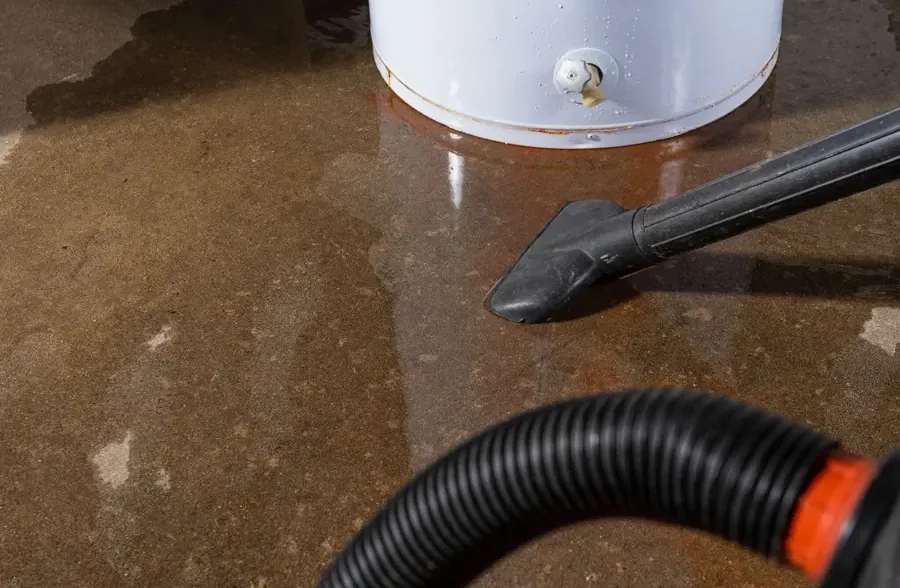
First steps for water heater leak cleanup
Shut off the supply
Close the cold water valve at the tank, or use the home's main shutoff.
Cut the power or gas
Switch an electric heater off at the breaker, or close a gas valve if safe.
Stay clear of the floor
Do not walk through standing water near an electric tank or outlets.
Record the damage
Photograph the tank, the wet floor and the rooms near it before anything is moved.
The standard behind water heater leak cleanup
Rapid local response
Dispatch runs 24/7, and an active leak, flood or backup is treated as urgent on nights, weekends and holidays.
IICRC S500 drying standard
The drying team maps moisture first, sizes air movers and LGR dehumidifiers to the load and keeps them running until the readings say dry.
Claim-ready documentation
Timestamped photos, the moisture map and daily drying logs go into one file an adjuster can follow.
Skagit Valley water know-how
Crawl spaces, river floodplain lowlands, damp winter air and hard freezes all change how water moves through a house here.
What does water heater leak cleanup cost in Burlington, WA?
A garage tank on concrete usually costs $1,200 to $2,000 to clean up. A closet tank on a wood subfloor runs $2,000 to $4,000, and a basement or upstairs tank runs $3,500 to $5,500.
Tank on garage concrete
$1,200 to $2,000- Floor extracted
- Nearby drywall checked
- Fans and dehumidifier
Closet tank, wood floor
$2,000 to $4,000- Baseboards lifted
- Subfloor dried
- Space below checked
Basement or upstairs tank
$3,500 to $5,500- Walls or ceiling opened
- Room below dried
- Daily readings for the claim
Ranges are typical, not a quote. Water category, square footage, material class and how fast drying started move the number most. The water damage cost calculator gives a planning range.
How water heater leak cleanup is handled, step by step
- 1
Shut it down
The cold supply, power or gas is closed first.
- 2
Extract it
Water comes off the floor and out of nearby cabinets.
- 3
Lift and open
Wet baseboards, flooring and low drywall are removed.
- 4
Dry the layers
Air movers and a dehumidifier run until every reading clears.
Water heaters sit in closets, garages, utility rooms and attics, and wherever they sit, a leak finds the lowest path. Burlington homeowners get the best result when the supply to the tank is closed quickly and the area is extracted before the water wicks into walls.
Where the water goes
A garage tank leaks onto concrete and runs toward drains or door thresholds. A closet tank soaks the subfloor and the walls around it. An upstairs tank can drip through the ceiling below, which turns it into a two-floor repair.
- Floor around and under the tank
- Wall bases and nearby drywall
- Flooring in adjoining rooms
- Ceiling or room directly below
Each result is noted in the moisture log, and a tank in a lower level may also need basement flooding cleanup.
Closing the supply
The cold water supply at the tank can be shut at its own valve, and the whole house can be shut at the main. Skagit Public Utility District supplies potable water to most areas of Burlington, but the valves that matter in a leak are the ones inside the home. Electric tanks should be switched off at the breaker, and gas units shut at their own valve, before anyone steps into standing water.
- Close the cold water valve above the tank
- Switch an electric heater off at the breaker
- Shut a gas unit's valve only if it is safe
- Keep pets and visitors out of the wet area
Drying after a tank leak
Once the tank is stopped, extraction pulls water from the floor and drying mats or air movers work on the subfloor. Wet drywall at the base of the wall is often cut a few inches high, and appliance leak damage follows much the same method. Moisture readings in the room below show whether the water traveled.
Water heater leak cleanup across Burlington and nearby towns
Tank leaks are handled across ZIP 98233, including Hill Vue Place, the Skagit Country Club area, Downtown along Fairhaven Avenue and the area around the Cascade Mall and the Interstate 5 interchange.
The same service nearby: water heater leak cleanup in Mount Vernon, Sedro-Woolley, Anacortes.
Related water damage services in Burlington
Water Heater Leak Cleanup questions, answered
Should the water heater be turned off?
Yes. Shut the cold water valve first, then switch an electric unit off at the breaker or close a gas unit's valve. Do this only from a dry, safe spot.
How far can a water heater leak spread?
A slow drip can soak a subfloor and a wall base for weeks, while a failed tank can run across a whole floor and into the ceiling or room below. Readings show where it went.
Is the water from a tank clean?
It starts clean, though rust and sediment make it less than pristine. It is usually handled as Category 1 or 2, so many materials can be dried instead of removed.
Will insurance cover a water heater leak?
A sudden tank failure is often covered, while a slow leak or wear can be excluded. The insurer decides, and moisture logs and photos help show what happened and when.
Does the room below get checked?
Yes. Water that reaches the subfloor often drips into ceilings or soaks flooring in adjoining rooms. Meters and a thermal camera check those spaces before drying equipment is set.
Does a new tank need drying work first?
Replacement and drying are separate jobs. A plumber can swap the tank while the drying crew works around it, though wet floors should be extracted before new flooring or cabinets go in.
Stop the tank, then dry the floor
A leaking tank soaks flooring, wall bases and the rooms around it. Calling early means fewer wet materials to remove and clearer readings for the claim.