Basement Flooding Cleanup in Burlington, WA
Water in a basement or lower level may come from seepage, a failed pump, heavy rain or a drain backup. The crew finds the source, pumps out safely, removes wet finishes and dries the concrete and framing.
(888) 509-1696Water downstairs? Get the pump-out moving- Concrete floor extraction
- Wet insulation removal
- Wall and floor readings
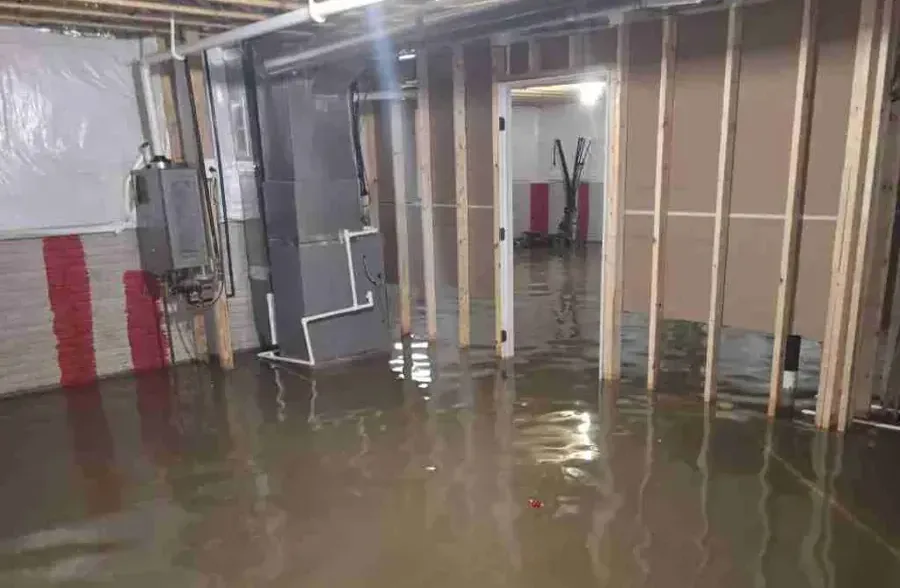
First steps for basement flooding cleanup
Check the power
Stay out of water touching outlets or cords. Switch off the breaker only from a dry spot.
Find the source
Shut off the supply if a pipe or hose leaks, and note whether the water looks clean.
Raise valuables
Move boxes, electronics and papers to dry shelves.
Photograph the level
Record how high the water reached on walls and stored items.
The standard behind basement flooding cleanup
Rapid local response
Dispatch runs 24/7, and an active leak, flood or backup is treated as urgent on nights, weekends and holidays.
IICRC S500 drying standard
The drying team maps moisture first, sizes air movers and LGR dehumidifiers to the load and keeps them running until the readings say dry.
Claim-ready documentation
Timestamped photos, the moisture map and daily drying logs go into one file an adjuster can follow.
Skagit Valley water know-how
Crawl spaces, river floodplain lowlands, damp winter air and hard freezes all change how water moves through a house here.
What does basement flooding cleanup cost in Burlington, WA?
A clean-water flood in an unfinished basement usually runs $2,500 to $5,000. Finished spaces with seepage run $5,000 to $10,000, and a floor drain or sewer backup reaches $8,000 to $15,000+.
Unfinished, clean water
$2,500 to $5,000- Concrete extraction
- Fans and dehumidifiers
- Wall and floor readings
Finished, seepage water
$5,000 to $10,000- Carpet, pad and flood cuts
- Wet insulation removed
- Framing dried open
Floor drain or sewer backup
$8,000 to $15,000+- Category 3 containment
- Porous finishes removed
- Antimicrobial treatment
Ranges are typical, not a quote. Water category, square footage, material class and how fast drying started move the number most. The water damage cost calculator gives a planning range.
How basement flooding cleanup is handled, step by step
- 1
Secure it
The source is found, the supply is shut and power is made safe.
- 2
Drain it
Pumps and extractors take the standing water off the floor.
- 3
Open it
Wet carpet, pad, insulation and low drywall are removed.
- 4
Verify it
Daily readings show the concrete and framing reaching dry.
A flooded lower level hides its damage. Water spreads under carpet, wicks up the bottom of finished walls and sits against concrete for days. A 2023 Skagit County letter places Burlington, in whole or in part, inside the Skagit River's 100-year floodplain.
Where lower-level water comes from
Seepage after long rain, a failed sump pump, a floor drain that backs up and a burst pipe above can all send water downstairs. The source changes the plan: clean supply water allows more drying in place, while drain water means removal and treatment.
- Seepage: slow, and often carries silt
- Pump failure: clean at first, dirtier over time
- Drain backup: contaminated from the start
- Burst pipe above: clean water, several layers wet
Each source has its own cleanup rules, and drain water follows the sewage backup cleanup approach.
Finished versus unfinished spaces
Unfinished concrete rooms usually dry quickly once the water is out. Finished spaces take longer, because carpet pad, wall insulation and the base of drywall hold water against framing. Flood cuts a few inches above the wet mark let air reach the cavity.
- Flood cuts made above the wet mark
- Insulation pulled and bagged
- Studs and plates dried open
- Closed cavities checked with a thermal camera
Lower-level floods in Burlington
When Gages Slough overflowed on December 12, 2025, Cascadia Daily News counted between 55 and 60 flooded homes. An owner with a lower level should expect the crew to begin with the pump-out and the safety check, then continue with structural drying once the finishes are opened.
Basement flooding cleanup across Burlington and nearby towns
Lower-level work covers ZIP 98233, including the Gages Slough area, Hill Vue Place, Downtown along Fairhaven Avenue and the area around the Cascade Mall and the interchange.
The same service nearby: basement flooding cleanup in Mount Vernon, Sedro-Woolley, Anacortes.
Related water damage services in Burlington
Basement Flooding Cleanup questions, answered
Is a wet basement always an emergency?
Yes if water is standing or still rising, because moisture reaches framing and finishes quickly. A damp patch that is not growing can wait for a check, but readings settle which it is.
Why cut drywall above the wet mark?
Water wicks upward inside walls beyond what shows on the surface. Cutting a few inches higher exposes the cavity so insulation can come out and the framing can dry.
Can carpet in a flooded basement be saved?
Carpet from a clean supply leak sometimes can. Carpet that took in seepage, storm runoff or drain water is usually removed with its pad, because contamination makes drying alone unsafe.
Does basement flooding mean mold?
Mold can start when materials stay wet, so speed matters more than any product. Fast extraction, opened walls and verified dry readings are the best protection.
What if the water came from a drain?
Drain water is treated as Category 3. The crew contains the area, removes porous materials, applies antimicrobial treatment and uses HEPA air scrubbing, all with protective equipment.
Will the claim need documentation?
Insurers usually want photos, moisture readings and a list of removed materials. The crew keeps daily logs so the owner can send a complete file.
Stop the water from settling in
Seepage and drain water settle into concrete, carpet pad and wall bases. A prompt call keeps the cleanup smaller and the framing safer for the rebuild.