Crawl Space Water Removal in Mount Vernon, WA
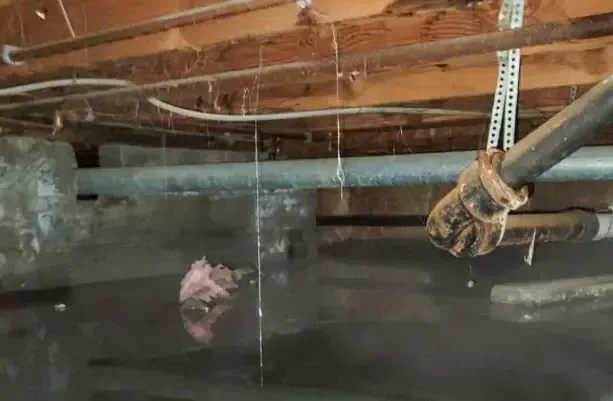
A leak, a thaw or high groundwater can leave water pooled under the floor for weeks. The extraction crew pumps the crawl space dry, pulls soaked insulation and vapor barrier and dries the joists and subfloor from below.
(888) 509-1696Water under the house? Get the crawl space pumped- Crawl space moisture mapping
- Sump and pump-out gear
- Joist and subfloor drying
First steps for crawl space water removal
Look through the hatch
Check with a flashlight for water on the barrier; do not crawl into deep water.
Shut off the main
If a pipe is leaking, close the main valve or the meter box valve.
Kill power to wet circuits
Turn off breakers for anything wired under the floor if the panel is dry.
Note the smell and floors
Write down where the floor feels soft or smells musty for the walkthrough.
The standard behind crawl space water removal
Rapid local response
Dispatch runs 24/7, and an active leak, flood or backup is treated as urgent on nights, weekends and holidays.
IICRC S500 drying standard
The drying team maps moisture first, sizes air movers and LGR dehumidifiers to the load and keeps them running until the readings say dry.
Claim-ready documentation
Timestamped photos, the moisture map and daily drying logs go into one file an adjuster can follow.
Skagit Valley water know-how
Crawl spaces, river floodplain lowlands, damp winter air and hard freezes all change how water moves through a house here.
What does crawl space water removal cost in Mount Vernon, WA?
Crawl space water removal here typically runs $1,500 to $8,500, depending on how deep the water is, how much insulation and vapor barrier comes out, and whether the water was clean, groundwater or sewage.
Pump-out and drying, clean water
$1,500 to $3,000- Standing water pumped out
- Dehumidifiers under the floor
- Daily joist readings
Insulation and barrier removed
$3,000 to $6,000- Wet batts pulled and bagged
- Vapor barrier removed
- Subfloor dried from below
Sewage or river water under the floor
$5,500 to $8,500+- Category 3 containment
- Antimicrobial on soil and framing
- Full removal of porous materials
Ranges are typical, not a quote. Water category, square footage, material class and how fast drying started move the number most. The water damage cost calculator gives a planning range.
How crawl space water removal is handled, step by step
- 1
Find the source
The walkthrough traces the water and sets the category before anything is removed.
- 2
Pump it out
Standing water comes out with pumps and extraction from the crawl space.
- 3
Pull the wet materials
Soaked insulation and vapor barrier are removed and bagged.
- 4
Dry the framing
Dehumidifiers and air movers run until joists and subfloor read dry.
Most houses in the Skagit Valley stand over a vented crawl space, with the supply pipe, the heat ducts and the floor insulation hanging between the joists. Water collects there quietly. A split pipe after a cold snap, a leaking toilet flange, groundwater pushed up by a wet winter or river water from the lowlands can all end up on the vapor barrier, and nobody sees it until the floor smells musty or starts to cup.
Where the water comes from sets the plan
The tech who does the walkthrough finds the source first, because the category of the water decides what can be dried and what has to come out.
- Supply pipe or water heater leak: Category 1, often dried in place if it is caught early
- Groundwater or rain seeping through the foundation: usually Category 2 once it sits on soil
- River water, creek water or a broken sewer pipe: Category 3, with removal under containment
- Condensation on ducts and pipes: a ventilation problem that drying alone does not fix
Getting a crawl space dry
The extraction crew pumps out standing water and pulls the soaked vapor barrier and the batts of insulation that sag between the joists. Wet insulation holds water against the subfloor, so it rarely stays. The drying team then sets dehumidifiers and air movers in the crawl space, closes it up so damp outside air stays out, and takes daily readings on the joists, beams and subfloor until they reach a dry reference.
Groundwater that keeps coming back after every storm points to drainage, grading or a sump that has failed, and that repair belongs to a drainage contractor. The EPA indoor air quality pages explain why a wet crawl space affects the air upstairs, and the National Weather Service Seattle office posts the heavy rain outlooks that tend to bring the water back.
After the dry-out
New vapor barrier and insulation go in only after the readings confirm the framing is dry. The claim file carries photos of the water on the barrier, the removed materials and the daily logs. If the water came from a frozen pipe, see frozen pipe water damage, and for river water see flood water cleanup.
Crawl space water removal across Mount Vernon and nearby towns
Drying crews cover ZIP 98273 and 98274, from Downtown and the west side river flats to Hillcrest, the Kulshan Creek and Maddox Creek neighborhoods, Little Mountain, Eaglemont and Skagit Highlands.
Coverage also reaches Burlington, Sedro-Woolley, La Conner, Conway, Big Lake, Bay View, Anacortes, Stanwood and Oak Harbor.
Related water damage services
Crawl Space Water Removal questions, answered
Is some water in a crawl space normal?
No. A crawl space can be damp in a wet winter, but standing water on the vapor barrier means a leak, poor drainage or groundwater that needs to come out before it damages the framing.
Does wet crawl space insulation have to be replaced?
Almost always. Fiberglass batts that soak up water sag, hold moisture against the subfloor and do not dry well in place, so they are removed and replaced after the framing is dry.
How long does a crawl space take to dry?
Usually four to eight days once the water and wet insulation are out. Heavy timbers and a crawl space that flooded with river water can take longer.
Can water under the house affect the air inside?
Yes. Air from the crawl space moves up into the living space, so a wet crawl space can raise indoor humidity and bring musty odors upstairs.
Will the water come back after it is dried?
If it came from a pipe leak, not once the pipe is fixed. If it is groundwater, it can return with the next heavy rain until drainage or a sump is addressed.
Is crawl space water damage covered by insurance?
Water from a sudden pipe break is often covered. Groundwater seepage and flooding usually are not under a standard policy. Coverage depends on your policy, so check with your own insurer.
Water in the crawl space? Get the drying started today.
Water under the floor soaks insulation, swells the subfloor and raises the humidity upstairs. The drying team pumps it out and dries the framing from below.