Crawl Space Water Removal in Burlington, WA
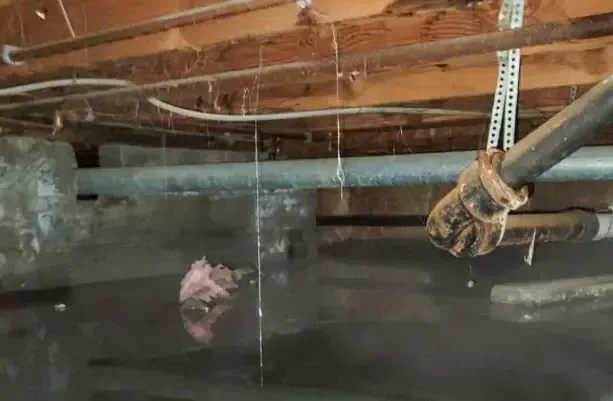
When water collects under a raised floor, it can sit unseen for weeks. The extraction crew pumps it out, the soaked insulation and vapor barrier come out and the drying team dries the joists and subfloor from below.
(888) 509-1696Water under the floor? Get it pumped out now- Under-floor moisture mapping
- Pumps and extraction gear
- Joist drying logs
First steps for crawl space water removal
Check from the hatch
Use a flashlight at the access hatch and never crawl into deep water or floodwater.
Stop the supply
If a pipe or water heater is leaking, close the main valve or the fixture shutoff.
Cut power below
Switch off breakers for anything wired under the floor if the panel is dry.
Write down the clues
Note soft floors, musty rooms and when the smell started for the walkthrough.
The standard behind crawl space water removal
Rapid local response
Dispatch runs 24/7, and an active leak, flood or backup is treated as urgent on nights, weekends and holidays.
IICRC S500 drying standard
The drying team maps moisture first, sizes air movers and LGR dehumidifiers to the load and keeps them running until the readings say dry.
Claim-ready documentation
Timestamped photos, the moisture map and daily drying logs go into one file an adjuster can follow.
Skagit Valley water know-how
Crawl spaces, river floodplain lowlands, damp winter air and hard freezes all change how water moves through a house here.
What does crawl space water removal cost in Burlington, WA?
Crawl space water removal typically runs $1,500 to $8,500, depending on the depth of the water, how much insulation and vapor barrier comes out and whether it was clean water, groundwater or floodwater.
Clean-water pump-out and drying
$1,500 to $3,000- Water pumped off the barrier
- Dehumidifiers below the floor
- Joist readings every day
Insulation and barrier replaced
$3,000 to $6,000- Soaked batts bagged and removed
- Vapor barrier pulled
- Subfloor dried from underneath
Floodwater or sewage below
$5,500 to $8,500+- Category 3 precautions
- Antimicrobial on soil and wood
- All porous materials removed
Ranges are typical, not a quote. Water category, square footage, material class and how fast drying started move the number most. The water damage cost calculator gives a planning range.
How crawl space water removal is handled, step by step
- 1
Trace it
The walkthrough finds where the water came from and sets the category first.
- 2
Pump it
Pumps and extraction pull the standing water out of the crawl space.
- 3
Strip it
Wet insulation and the vapor barrier come out and are bagged.
- 4
Dry it
Dehumidifiers and air movers run below until the framing reads dry.
Water under a raised floor rarely announces itself. In a home built over a crawl space, a leaking supply pipe, a failed water heater or floodwater can collect on the vapor barrier and stay there, out of sight, until the floors soften or a musty smell drifts up through the registers.
When floodwater gets under the floor
On December 12, 2025, Gages Slough flooded into homes in the city, and Cascadia Daily News reported that between 55 and 60 homes took on water. Floodwater that reaches a crawl space is Category 3, and Skagit County warns that floodwater can be contaminated and can hide debris, so the mitigation team treats the space as contaminated from the start.
- Standing water pumped out before anyone works below the floor
- Vapor barrier and soaked insulation removed and bagged
- Soil and framing treated with an EPA-registered antimicrobial
- Joists and subfloor dried and logged until they reach a dry reference
The rooms above are covered under flood water cleanup.
Leaks that drain into the crawl space
Clean water from a supply pipe, a water heater or an appliance hose often drains through the subfloor and pools below. Caught early, it is Category 1, and the framing can usually be dried without heavy removal. Watch for these signs:
- A musty odor rising through the floor registers
- Floors that feel soft, bounce or begin to cup
- Insulation sagging loose between the joists
- A water bill that climbs with nothing running
How the space gets dry
The extraction crew pumps out what is standing. The drying team then closes the crawl space to damp outside air, places LGR dehumidifiers and air movers below the floor and reads the joists every day. New vapor barrier and insulation go in only after the framing tests dry. The local water damage restoration page covers the rest of the house, and structural drying explains how dryness is confirmed.
Crawl space water removal across Burlington and nearby towns
Drying crews cover ZIP 98233, from the hill north of downtown and Hill Vue Place to Fairhaven Avenue, the Gages Slough area and the Port of Skagit County Business Park.
The same service nearby: crawl space water removal in Mount Vernon, Sedro-Woolley, Anacortes.
Related water damage services in Burlington
Crawl Space Water Removal questions, answered
Should a crawl space ever have standing water?
No. A crawl space can feel damp in a wet winter, but water pooled on the vapor barrier points to a leak, poor drainage or floodwater, and it needs to come out before it damages the framing.
Does soaked crawl space insulation have to be replaced?
Nearly always. Fiberglass batts that absorb water sag, keep moisture pressed against the subfloor and dry poorly in place, so they are bagged and replaced after the framing tests dry.
Is floodwater under a house dangerous?
Yes. Skagit County warns that floodwater can be contaminated and can hide debris, so any floodwater under the floor is handled as Category 3 with protective gear and antimicrobial treatment.
How long does it take to dry a crawl space?
Plan on four to eight days after the pump-out and the insulation removal. Big beams and a crawl space that held floodwater run longer.
Can crawl space water affect the air inside the house?
It can. Air drifts up from beneath the floor into the living space, so a wet crawl space pushes up indoor humidity and brings a musty smell with it.
Is crawl space water damage covered by insurance?
A sudden pipe break is often covered. Floodwater usually needs its own flood policy, and slow seepage is often excluded. Policies differ, so confirm the details with your own insurer.
Water in the crawl space? Get the pump-out started.
Water below the floor soaks insulation, swells the subfloor and raises the humidity in every room above. The drying team pumps it out and dries the framing.