Crawl Space Water Removal in Stanwood
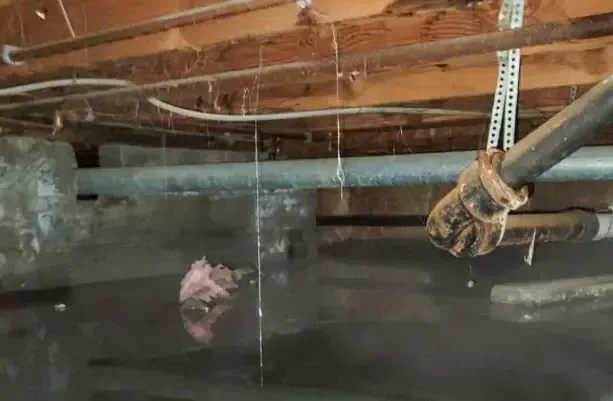
Water under a raised floor hides from view while it soaks insulation, joists and the subfloor above. The work pumps it out, pulls what is wet and dries the wood from below until readings are normal.
(888) 509-1696Schedule an under-floor moisture check- Pump-out and extraction
- Vapor barrier removal
- Joist and subfloor readings
First steps for crawl space water removal
Stay out of the space
A flooded crawl space can hide live wiring, sharp debris and contaminated soil, so the access panel stays closed.
Close the supply
If a pipe is leaking, shut the water off at the main so the space stops filling.
Power down
Breakers for any outlets, lights or equipment in the crawl space are switched off before anyone goes in.
Document the signs
Photograph soft spots in the floor above, musty odors and any water seen through the access panel.
The standard behind crawl space water removal
Rapid local response
Dispatch runs 24/7, and an active leak, flood or backup is treated as urgent on nights, weekends and holidays.
IICRC S500 drying standard
The drying team maps moisture first, sizes air movers and LGR dehumidifiers to the load and keeps them running until the readings say dry.
Claim-ready documentation
Timestamped photos, the moisture map and daily drying logs go into one file an adjuster can follow.
Skagit Valley water know-how
Crawl spaces, river floodplain lowlands, damp winter air and hard freezes all change how water moves through a house here.
What does crawl space water removal cost in Stanwood, WA?
Crawl space jobs cost more as water depth, wet insulation and contamination increase. A clean pump-out sits in the first range, insulation and barrier removal in the second, and sewage or river water in the third.
Clean water pump-out
$1,500 to $3,000- Standing water pumped off
- Dehumidifiers set below the floor
- Joist readings every day
Wet batts and barrier out
$3,000 to $6,000- Soaked insulation bagged
- Vapor barrier lifted out
- Subfloor dried from below
Sewage or river water
$5,500 to $8,500+- Category 3 containment
- Soil and framing treated
- Porous materials fully removed
Ranges are typical, not a quote. Water category, square footage, material class and how fast drying started move the number most. The water damage cost calculator gives a planning range.
How crawl space water removal is handled, step by step
- 1
Trace
The source is found first, whether pipe, drain or groundwater, so the water does not return.
- 2
Pump
Submersible pumps clear standing water from low spots across the whole footprint.
- 3
Strip
Wet insulation and damaged barrier are bundled and carried out through the access.
- 4
Dry
Dehumidifiers and air movers work under the floor until joist readings are steady and low.
A crawl space is easy to ignore until the floor above feels soft or smells damp. Because the area is closed and dark, water can sit under a home for weeks, soaking insulation and feeding rot long before anything shows upstairs.
Where the water comes from
Crawl space water has several sources: groundwater pushed up after heavy rain, a leaking supply pipe or drain, runoff that finds its way under a foundation, and river flooding. The city sits in the AE flood zone, so high water from the Stillaguamish River is one of the possibilities.
Rain-fed groundwater tends to leave a damp, even film, while a pipe leak concentrates water beneath the fixture. Tracing the source first keeps the same water from coming back after the dry-out.
Which materials stay depends on how long they were wet and what the water carried:
- Fiberglass batts that are soaked sag, hold water and are bagged out.
- A torn or pooled vapor barrier is lifted, cleaned or replaced.
- Standing water is pumped from low spots before any drying equipment is placed.
- Joists and subfloor are measured, then dried from below with dehumidifiers.
Reading the wood, not guessing
Wood framing holds moisture for a long time. Readings are taken at the joists, the rim boards and the underside of the subfloor, then repeated daily, so equipment comes out when the numbers match a dry reference and not on a timer. Dehumidifiers sit inside the space, placed so air actually moves across the wet wood.
When the water is not clean
River water or sewage under the floor is Category 3. In that case the soil surface is treated, insulation and barrier are removed completely, and the crew works in protective gear with the space contained so contamination stays out of the living area above. Related work is covered under flood water cleanup and structural drying.
Crawl space water removal across Stanwood and nearby towns
Crawl space crews cover the whole city, including the waterfront, Pioneer Highway and the Cedarhome area, as well as nearby communities, with ZIP code 98292 as the main territory.
The same service nearby: crawl space water removal in Mount Vernon, Oak Harbor, Burlington.
Related water damage services in Stanwood
Crawl Space Water Removal questions, answered
How do crawl spaces get water?
Groundwater after heavy rain, a leaking pipe or drain, runoff under the foundation and river flooding are the usual sources. Finding which one matters before drying starts.
Does wet insulation have to be replaced?
Fiberglass batts that have been soaked usually sag and stay wet, so they are removed. Insulation that only got damp at the edges may be checked with a meter and kept.
Is a vapor barrier worth keeping?
A clean, intact barrier can be cleaned and reused. Torn, buried or contaminated sheeting is replaced so ground moisture stays out of the framing afterward.
Can a wet crawl space cause a smell upstairs?
Yes. Air moves up through gaps around pipes and the floor, so musty odors from wet wood and soil often reach living areas before anyone sees the water.
How is the work different for river water?
Category 3 water means full removal of porous materials, treatment of the soil surface and framing, and a contained workspace so nothing spreads upward.
Does the flood zone mean a crawl space will flood?
Not by itself. The AE zone shows a mapped flood risk for the area, and each building's exposure depends on its own site, drainage and construction.
Get the water out from under the floor
A crew can pump out the space, pull what is wet and start the joist readings that the claim file will need, before the damage reaches the framing.