Crawl Space Water Removal in Oak Harbor
Water under a house goes unseen while it soaks insulation, joists and the subfloor above. Crews pump the space out, pull what is wet and dry the framing from below, with readings logged for the claim.
(888) 509-1696Call about water under your house- Joist and subfloor readings
- Under-floor dehumidifiers
- Wet insulation removal
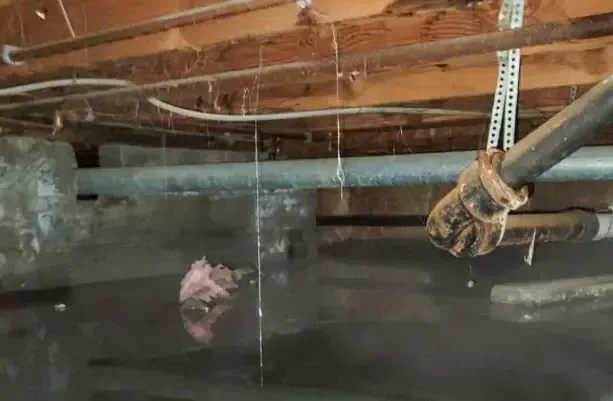
First steps for crawl space water removal
Find the source
Look at pipes, the water heater drain and downspout ends before pumping, so the water does not return.
Stop the supply
Shut the main valve if a pipe is leaking, and keep people out of the space until power is off.
Cut power below
Turn off crawl space lights and outlets at the breaker before anyone enters standing water.
Call for pump-out
Standing water and wet insulation are easier to dry the sooner they are removed.
The standard behind crawl space water removal
Rapid local response
Dispatch runs 24/7, and an active leak, flood or backup is treated as urgent on nights, weekends and holidays.
IICRC S500 drying standard
The drying team maps moisture first, sizes air movers and LGR dehumidifiers to the load and keeps them running until the readings say dry.
Claim-ready documentation
Timestamped photos, the moisture map and daily drying logs go into one file an adjuster can follow.
Skagit Valley water know-how
Crawl spaces, river floodplain lowlands, damp winter air and hard freezes all change how water moves through a house here.
What does crawl space water removal cost in Oak Harbor, WA?
Crawl space work runs from $1,500 to $8,500 or more, depending on whether the water is clean, how much insulation is wet and whether sewage is involved. Under-floor drying is priced by the days equipment runs.
Clean water pumped out
$1,500 to $3,000- Standing water removed
- Dehumidifiers set below
- Joists read each visit
Wet insulation and barrier
$3,000 to $6,000- Batts pulled and bagged
- Barrier cut and removed
- Subfloor dried from below
Sewage under the floor
$5,500 to $8,500+- Category 3 containment
- Framing treated and cleaned
- Porous materials removed
Ranges are typical, not a quote. Water category, square footage, material class and how fast drying started move the number most. The water damage cost calculator gives a planning range.
How crawl space water removal is handled, step by step
- 1
Inspect it
Meters and a thermal camera map the wet joists and the damp stretches of subfloor.
- 2
Empty it
A submersible pump clears the standing water, including any low pocket under the floor.
- 3
Clear it
Wet insulation and torn barrier are bagged and carried out through the access hatch.
- 4
Dry it
Mats and dehumidifiers run under the floor until the joists test dry.
A crawl space is easy to ignore until the floor above turns soft or a damp smell rises into the house. Water down there can come from a leaking supply pipe, a failed water heater drain or rain finding its way in, and each source calls for a different fix.
What happens below the floor
Technicians enter with lights, moisture meters and a thermal camera to trace the source and map which joists and which stretch of subfloor are wet. Standing water is pumped out first, since soaking only pushes moisture higher into the framing.
- Standing water removed with a submersible pump
- Soaked insulation batts pulled, bagged and carried out
- Torn or saturated vapor barrier cut away
- Dehumidifiers and air movers set to dry the framing from below
Sewage changes the plan, because it makes the space a Category 3 job: the crew works in protective gear, contains the area and removes porous materials instead of drying them. A clean supply leak is a very different, much lighter job.
Why drying from below matters
A subfloor that stays damp holds moisture against the flooring above and keeps framing wet for weeks. Drying mats and under-floor dehumidifiers pull that moisture out until joist and subfloor readings match the dry standard. Hardwood or laminate above a wet subfloor can cup within days if the moisture is left in place.
- Joist readings taken at several points along each run
- Subfloor readings from below and from the room above
- Humidity logged inside the crawl space
- Equipment removed only after the final dry reading
Keeping the claim file complete
Photos of the space before and after, moisture readings and a list of what was removed give the adjuster a clear record. With damp winters on Whidbey Island, that record also shows the space was dried and not only pumped, which matters if moisture problems surface later. Related work includes structural drying and burst pipe water damage.
Crawl space water removal across Oak Harbor and nearby towns
Crawl space crews serve ZIP 98277 and 98278, including Swantown, Silverspot Valley, Modern Midway, Midtown, Fair Winds and the streets around Old Town and Windjammer Park.
The same service nearby: crawl space water removal in Mount Vernon, Anacortes, Stanwood.
Related water damage services in Oak Harbor
Crawl Space Water Removal questions, answered
How do I know water is in my crawl space?
Soft or cold floors, a musty smell, higher humidity indoors and sagging insulation are common signs. A moisture meter confirms it without tearing anything open.
Is wet insulation always removed?
Soaked fiberglass batts hold water against the subfloor and rarely dry in place, so they are normally bagged out. Slightly damp batts are sometimes saved when the source was clean and caught fast.
Can the vapor barrier stay?
A barrier that is torn, soaked on the underside or contaminated is removed and replaced after drying. An intact one is often lifted, cleaned and set back.
Does the space need drying if the water is gone?
Yes, because wood framing holds moisture long after standing water is pumped out. Readings, not appearance, decide when drying is finished, and the written log proves it to the adjuster.
What if the water came from a sewer drain?
Sewage makes the space a Category 3 job with containment and removal of porous materials. Sewage backup cleanup explains what that involves.
How long does a crawl space take to dry?
Often several days, and longer for saturated framing. Daily readings under the house decide when equipment leaves.
Dry the framing before it stays wet
Call about the water under the house, and the crew explains whether it is a pump-out, an insulation job or something more, and what the adjuster will want to see.