Roof Leak Water Damage in Stanwood, WA
Wind pushes rain under shingles and flashing, and the water travels along the decking before it shows as a ceiling stain. The work maps the attic, removes wet insulation and dries the ceilings below.
(888) 509-1696Ask about a storm roof leak- Attic moisture mapping
- Wet insulation removal
- Ceiling drying
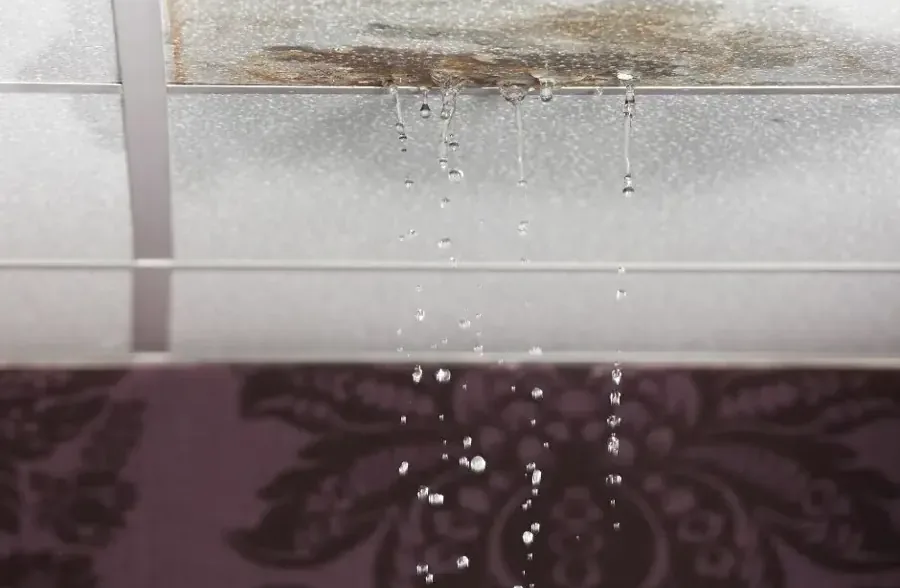
First steps for roof leak water damage
Contain the drip
Set a bucket under the drip and keep clear of a bulging ceiling.
Protect the room
Move furniture and electronics out from under the stain and cover what cannot move.
Check the power
Switch off the breaker for any light fixture or fan that is wet.
Photograph and call
Photograph the stain, the roof if it is safe to see, and arrange a temporary cover.
The standard behind roof leak water damage
Rapid local response
Dispatch runs 24/7, and an active leak, flood or backup is treated as urgent on nights, weekends and holidays.
IICRC S500 drying standard
The drying team maps moisture first, sizes air movers and LGR dehumidifiers to the load and keeps them running until the readings say dry.
Claim-ready documentation
Timestamped photos, the moisture map and daily drying logs go into one file an adjuster can follow.
Skagit Valley water know-how
Crawl spaces, river floodplain lowlands, damp winter air and hard freezes all change how water moves through a house here.
What does roof leak water damage cost in Stanwood, WA?
Roof leak cost tracks how much insulation and ceiling comes out. An attic and one ceiling sit in the first range, larger insulation removal with an opened ceiling in the second, and several rooms with wall cavities in the third.
Attic and one ceiling
$1,000 to $2,500- Attic mapped with a meter
- Spot insulation pulled
- Ceiling dried in place
Larger insulation removal
$2,500 to $4,500- Soaked batts bagged out
- Sagging ceiling cut open
- Joist bays dried
Several rooms, wall cavities
$4,500 to $6,500+- Multiple ceilings opened
- Wall tops dried out
- Complete claim photo file
Ranges are typical, not a quote. Water category, square footage, material class and how fast drying started move the number most. The water damage cost calculator gives a planning range.
How roof leak water damage is handled, step by step
- 1
Cover
The roof is covered or tarped so no new water enters while interior work begins.
- 2
Map
Meters and thermal images mark the wet attic decking, insulation and ceilings.
- 3
Remove
Soaked insulation and failed ceiling drywall are bagged and carried out.
- 4
Dry
Fans and dehumidifiers run until attic framing and ceilings match dry readings.
In Stanwood, roof leaks are slow thieves. Rain gets past one lifted shingle or cracked boot, soaks the insulation above a ceiling and finally shows as a brown stain, usually after the damage has already been spreading for days.
The storm backdrop here
A December 2025 city update forecast sustained winds of 25 to 45 mph with gusts of 55 to 65 mph, and warned of downed trees and powerlines on saturated ground. Wind like that lifts shingles, tears flashing and drives rain sideways into places a roof normally sheds.
A roof leak response covers both levels:
- The attic is mapped with a meter to find where the decking and insulation are wet.
- Soaked insulation is bagged out because it never dries well in place.
- Sagging or stained ceiling drywall is opened so the joist bays can breathe.
- Structural drying with dehumidifiers and fans dries the attic and the rooms below together.
Temporary protection comes first
Water keeps entering until the roof is covered, so a tarp or temporary patch from a roofer is part of stopping the loss. Restoration dries the interior, but it cannot hold back the next storm, and the claim usually needs both records.
Ceilings, walls and what insurers ask
Water from above often runs down inside wall tops and across light fixtures, so electrical safety is checked before any ceiling is opened. Photos of the roof damage, the attic and the stains help show the loss came from a storm, and ceiling leak water damage covers what follows below.
Roof leak water damage across Stanwood and nearby towns
Roof leak crews work across the whole city, from the hill area and Cedarhome to Market Street and the waterfront, and into nearby communities within ZIP code 98292.
The same service nearby: roof leak water damage in Mount Vernon, Oak Harbor, Burlington.
Related water damage services in Stanwood
Roof Leak Water Damage questions, answered
How does wind cause a roof leak?
Gusts lift shingle edges and bend flashing, so rain gets under the roof covering and runs along the decking to the nearest gap, vent or nail hole.
Why does the stain show up far from the leak?
Water travels along rafters and the top of the ceiling before it drips. The visible stain can sit several feet away from the roof opening.
Does wet attic insulation have to go?
Usually, yes. Soaked batts and blown insulation compress, stay wet and hold moisture against the ceiling, so they are removed and replaced after the dry-out.
Should the ceiling be opened right away?
A small stain may dry in place if readings are low. A sagging or bulging ceiling is opened promptly, since trapped water can release all at once.
Will insurance cover storm roof damage?
Wind and storm leaks are often covered, but wear and neglected repairs may not be. Photos of the roof, the stain and the readings support the claim.
Who fixes the roof itself?
A roofer repairs or replaces the covering. Restoration dries the interior, and the two trades coordinate so drying is not undone by the next rain.
Dry out what the storm soaked
A crew can map the attic, remove wet insulation, open the stained ceilings and log the readings, while a roofer handles the opening that let the rain in.