Anacortes has cool, rainy winters, so a hard freeze can catch a household off guard. Pipes split when ice forms inside them, but the real flood often comes later, when the ice thaws and water pours out of the crack.
Key takeaways
- Ice expands inside a pipe and splits it, but the leak usually appears on the thaw, so the cleanup can start after the weather warms.
- Know where the main water shutoff is before winter, and close it at the first sign of a split pipe.
- On January 13, 1950, a blizzard with winds of about 65 mph left hundreds of Anacortes homes with frozen water pipes.
- Later winters in December 2008, February 2019 and January 2020 brought snow of 17.5 to 24 inches, about eight inches and about twelve inches.
- A burst pipe is a plumbing repair plus a dry out of walls, floors and ceilings.
How a freeze turns into a flood
Water expands as it freezes. In a pipe, that pressure can crack the wall of the pipe long before the ice melts.
The pipe often holds as long as the ice does. When the air warms, the ice melts, and water pours through the split into a wall, a ceiling or a floor.
That timing surprises many homeowners. A house can seem fine during a cold night and flood the next afternoon.
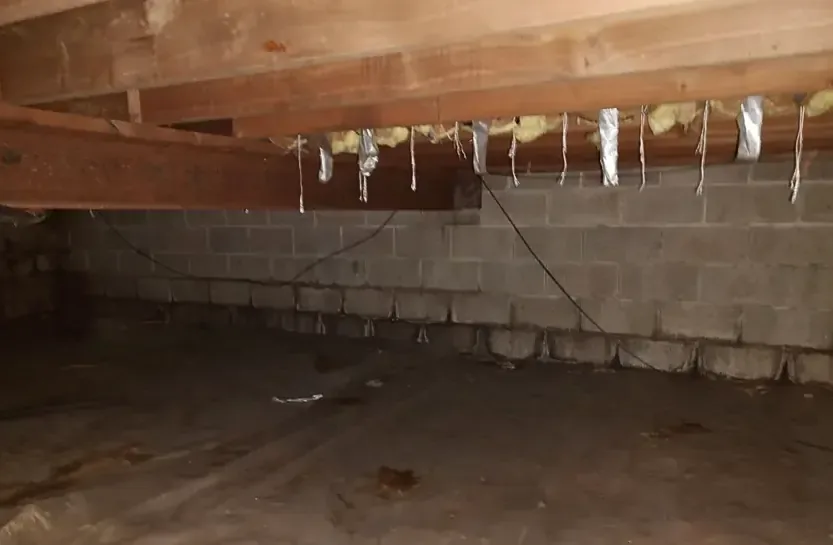
- Pipes in outside walls, attics, crawl spaces and garages freeze first.
- Hose bibs and sprinkler pipes freeze when they are left connected or full.
- A split can be small, with a spray or a drip, or it can be a wide burst.
- Water behind a wall can run for hours before it shows.
What Anacortes winters have thrown at homes
The city has a warm summer Mediterranean climate with cool, rainy winters, and Fidalgo Island gets about 21 inches of rain a year. Yet the record shows hard winters that tested pipes.
Each event differed, but the lesson is the same. A hard freeze finds unprepared pipes wherever it lands.
- January 30 and 31, 1893: a blizzard hit, and January 31 was the coldest day in a 43 year local temperature log.
- February 1916: a 46 hour blizzard left 36 inches of snow.
- January 13, 1950: a blizzard with winds of about 65 mph hit, and hundreds of homes suffered frozen water pipes.
- December 1968 to January 1969: a month long siege of winter weather brought repair costs for the city.
- December 2008: one of the coldest Decembers on record, with 17.5 to 24 inches of snow across the city.
- February 2019: about eight inches of snow.
- January 2020: about twelve inches of snow, and Washington State Ferries used a new severe weather schedule on January 15.
Before the first freeze
A little preparation in the fall is cheaper than a cleanup in the winter. The best time to do it is before the first cold forecast.
Inside the house
- Find the main water shutoff and make sure the valve turns.
- Insulate pipes in crawl spaces, attics, garages and outside walls.
- Open cabinet doors under sinks on outside walls during a freeze.
- Keep the heat on, even in rooms that are not used.
Outside the house
- Disconnect and drain garden hoses, and cover hose bibs.
- Shut off and drain outdoor water pipes that are not used in winter.
- Seal gaps where cold air can reach pipes, such as around cables and vents.
When a pipe is frozen but has not burst
A faucet that gives only a trickle in freezing weather points to ice in the pipe. This is the moment to act, before the pipe splits.
Open the faucet so water can flow as the ice melts, and apply gentle heat with a hair dryer, a warm towel or a space heater placed safely away from anything that burns. Never use an open flame.
If the frozen section cannot be found or reached, a plumber can thaw it. Keep the main shutoff in mind in case a split appears as the ice melts.
When a pipe has burst
The goal is to stop the water first, then handle the water already inside.
The burst pipe water damage steps start with the shutoff and end with a dry building.
- Close the main shutoff valve right away.
- Turn off power to wet areas and keep clear of wet outlets.
- Open faucets to drain what remains in the pipes.
- Photograph the split, the wet areas and anything damaged.
- Call a plumber for the repair and a crew for the water.
Where a thaw leak shows up in the house
A split pipe rarely leaks where it is easy to see. Knowing where pipes freeze first helps a homeowner check the right places after a cold spell.
A walk through the house when the weather warms can catch a slow leak early. The frozen pipe water damage work for the wider area covers the same checks.
- Under kitchen and bath sinks on outside walls, where cabinet doors keep warm air out.
- In the crawl space or garage, along pipes close to the foundation or an outside wall.
- On ceilings under an attic or an upstairs bath, where a wet stain may show.
- Around the water heater and the washing machine hookups on outside walls.
- At outdoor faucets, where a split can leak into the wall behind the siding.
Drying walls, floors and ceilings after a burst
A split inside a wall can soak insulation, drywall and framing before anyone sees it. Water extraction takes out standing water, and then the crew traces the damp with a thermal camera and moisture meter.
What is opened and what stays
Wet insulation and soft drywall are removed. Solid framing and subfloor are dried in place.
Holes are kept small and located by readings, so the repair can be limited to the wet area.
How the dry out works
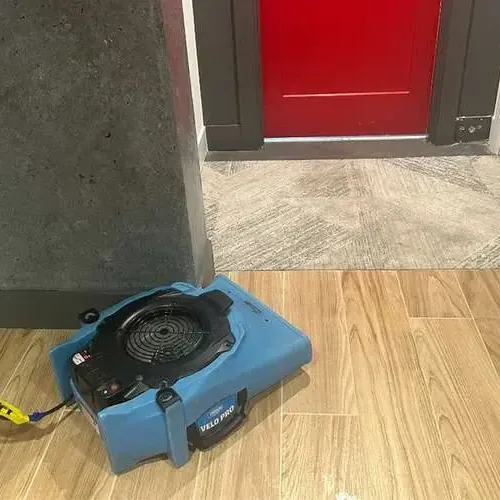
Fans move air and dehumidifiers pull moisture out of it, and the crew takes readings each day until the materials meet the dry standard. The frozen pipe water damage service follows the same plan after a thaw leak.
Questions
Why does a frozen pipe flood the house after it thaws?
Ice can seal a crack while it stays frozen. When it melts, water flows through the split, so the flooding often starts as the weather warms.
Does Anacortes get cold enough to freeze pipes?
Yes, at times. Hundreds of homes had frozen water pipes in January 1950, and winters in December 2008, February 2019 and January 2020 brought heavy snow. Winters are usually cool and rainy, which is why a hard freeze can surprise people.
What should a homeowner do first when a pipe bursts?
Shut off the main water valve, turn off power to wet areas and open faucets to drain the pipes. Then call a plumber for the pipe and a crew for the water.
Can wet drywall from a burst pipe be dried in place?
Sometimes. Fresh, firm drywall can be dried, but soft, bulging or stained sections are cut out. Moisture readings decide which.
Is a burst pipe an emergency even if the water has stopped?
Yes. Water that already soaked a wall or floor keeps doing damage until it is dried, so cleanup should start as soon as the pipe is shut off.