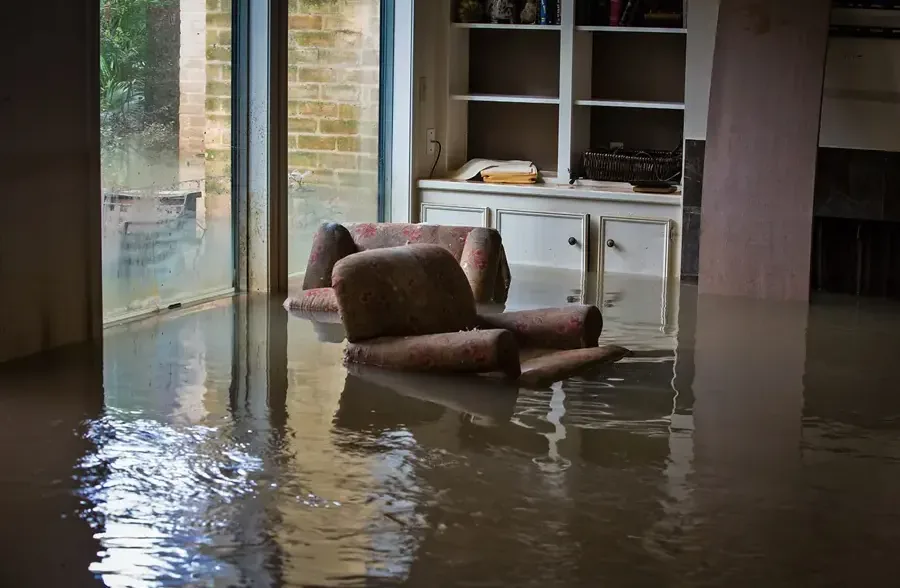
On December 12, 2025, Gages Slough flooded into Burlington homes and the city told every resident to leave. Coming back to a house that sat in slough water takes a plan, because the first look at the damage is also the riskiest.
Key takeaways
- Floodwater can be contaminated, can hide dangerous debris and can be electrically charged by underground or downed power wires, so the first walk through is for safety, not salvage.
- Keep power off and stay out of standing water until the house has been checked.
- Photograph everything before moving it, including the high water mark on each wall.
- Porous materials that soaked up slough water are usually removed, while framing and concrete are cleaned and dried.
- More storms were forecast right after the December 2025 flood, so protect contents and keep a dry out plan ready.
How the December 12 evacuation unfolded
Skagit County had already issued go now evacuation orders for the Skagit River floodplain on December 10, 2025, and the city was included. At 6:00 a.m. on December 12, the city told all residents to evacuate immediately because Gages Slough was flooding into homes.
The National Guard went door to door, and Bayview Elementary School on Josh Wilson Road became an emergency shelter. At 9:30 a.m. the mayor partly lifted the order for homes and businesses west of the north south railroad tracks, while the rest of the city stayed under the order into the afternoon with some areas not reachable.
Cascadia Daily News reported that between 55 and 60 Burlington homes flooded that morning. Residents were allowed back at different times, which is why a careful, written return routine helps.
What the county says about floodwater
Skagit County has been direct about the risks. Its warnings apply to any home reached by slough or river water.
- Floodwater can be contaminated.
- It can contain dangerous debris.
- It can hide other hazards, such as holes, broken glass and shifted objects under the surface.
- Underground or downed power wires can electrically charge the water.
Why slough water counts as Category 3
Gages Slough connects to the Skagit River, so the water that reaches a house carries what the river and the ground pick up along the way. It is handled as Category 3, grossly contaminated, even when it looks muddy rather than foul.
That means protective gear, cautious handling of anything it touched and a different plan for porous materials than a pipe leak would need.
The first walk through: a safety checklist
A homeowner who has been away for days may be tempted to rush in and start moving things. A short checklist keeps the first visit safe and keeps the record clean.
- Look at the outside first: the foundation, the meter area and any downed wires.
- Keep the main power off and do not use switches or outlets in wet rooms.
- Wear boots, waterproof gloves and eye protection, and avoid wading when the floor is not visible.
- Take photos of every room, the high water mark and the contents before touching anything.
- Open doors and windows for air if the weather allows, but do not run household fans in contaminated rooms.
- Leave soaked carpet and pad in place until photos are taken, then have them removed.
Getting the water out
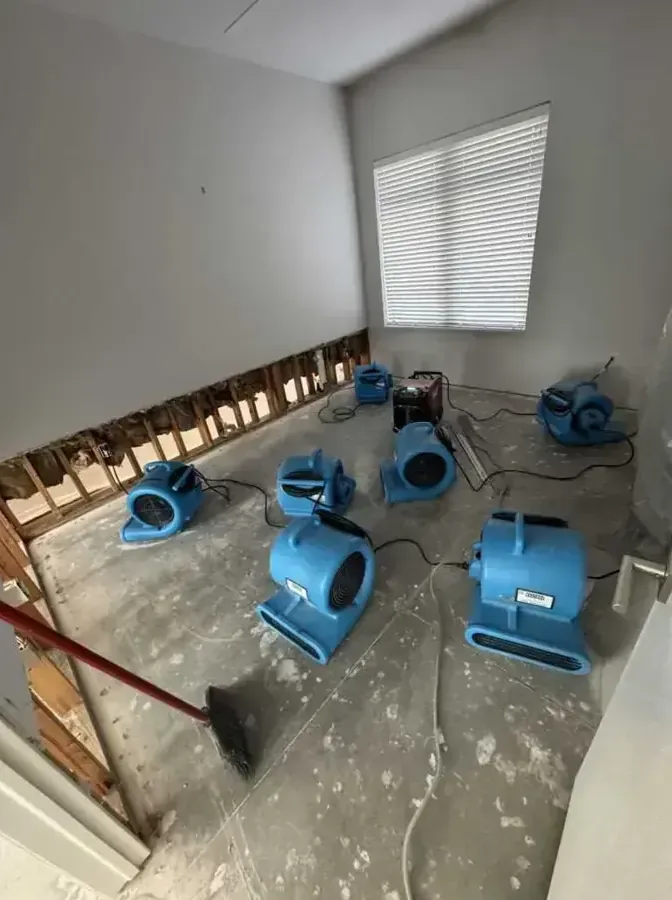
If water is still standing in the house, removing it comes first. The flood water cleanup work begins with pumps and extractors, then moves on to mud and silt, then to the structure itself.
A crew works from the lowest point outward and checks under cabinets and behind baseboards where slough water settles. Pumping may run in stages, because water can keep seeping back into low spots while the ground is saturated.
Extraction does not finish the job. Wet framing and subfloor stay wet unless they are dried on purpose.
What gets removed and what gets dried
Usually removed
- Carpet, pad and wall to wall flooring.
- Insulation in wet wall bays.
- Drywall that wicked water above the floor.
- Cabinets, mattresses and upholstered furniture that soaked it up.
Usually cleaned and dried in place
Solid framing, subfloor, concrete and many hard surfaces can be washed, treated and dried. The decision for each material rests on readings from a moisture meter, not on how it looks.
The structural drying stage then runs until framing meets the dry standard for its material.
Salvaging belongings and papers
Not everything in a flooded house is a loss. Photographs, documents and keepsakes can sometimes be saved if they are handled calmly and dried the right way.
Items that soaked in contaminated water need care, so a short plan keeps people safe while saving what matters most. The water damage restoration pages for the city explain how a crew sorts contents from structure.
- Pull out paper items that are only damp and lay them flat to dry, away from direct heat.
- Set aside photos and documents in labeled bags and let a specialist advise on cleaning.
- Discard food, medicine and cosmetics that touched floodwater.
- Move salvageable furniture to a dry, ventilated spot once the floor is cleaned.
- Keep a running list of what was removed, with photos, for the claim process.
The weeks after: records and the next storm
The flood did not end the weather. More atmospheric rivers were forecast from the evening of Sunday, December 14, 2025, through the following Wednesday, with additional rain and high winds expected that week, so a flooded house had to be protected while it dried.
The City of Burlington held a Town Hall about the flood on Monday, December 15, 2025, at 5 p.m. in the Council Chambers at City Hall. Residents who attend a meeting like that should still keep their own written records.
- Time stamped photos of the high water mark, every room and each removed item.
- A list of discarded contents with rough ages and values.
- Notes of every conversation and every date a crew worked in the house.
- Receipts for gear, storage and a place to stay.
- A short note on odors, swelling floors or returning stains, to pass to the crew.
Questions
How soon can a family go back into a house after an evacuation order is lifted?
Only after the order allows it and the house is safe to enter. Look for downed wires, shifted foundations and standing water first. When in doubt, wait for an inspection before going inside.
Is slough water the same as river water for cleanup?
For cleanup purposes, yes. Gages Slough connects to the Skagit River, so the water is treated as contaminated Category 3 water and porous materials are removed.
Should wet carpet be left in place until a crew arrives?
Photograph it first, then have it removed promptly. Carpet and pad hold contaminated water against the floor and cannot be made safe by drying.
How long does a flooded home take to dry?
A typical dry out takes several days, and a house with wet wall cavities can take longer. The crew checks readings daily and removes equipment only when the framing meets the dry standard.
Is this the Burlington in Washington State?
Yes. It is the city in Skagit County, Washington, on the Skagit River. The December 2025 evacuation and slough flooding described here belong to this city only.